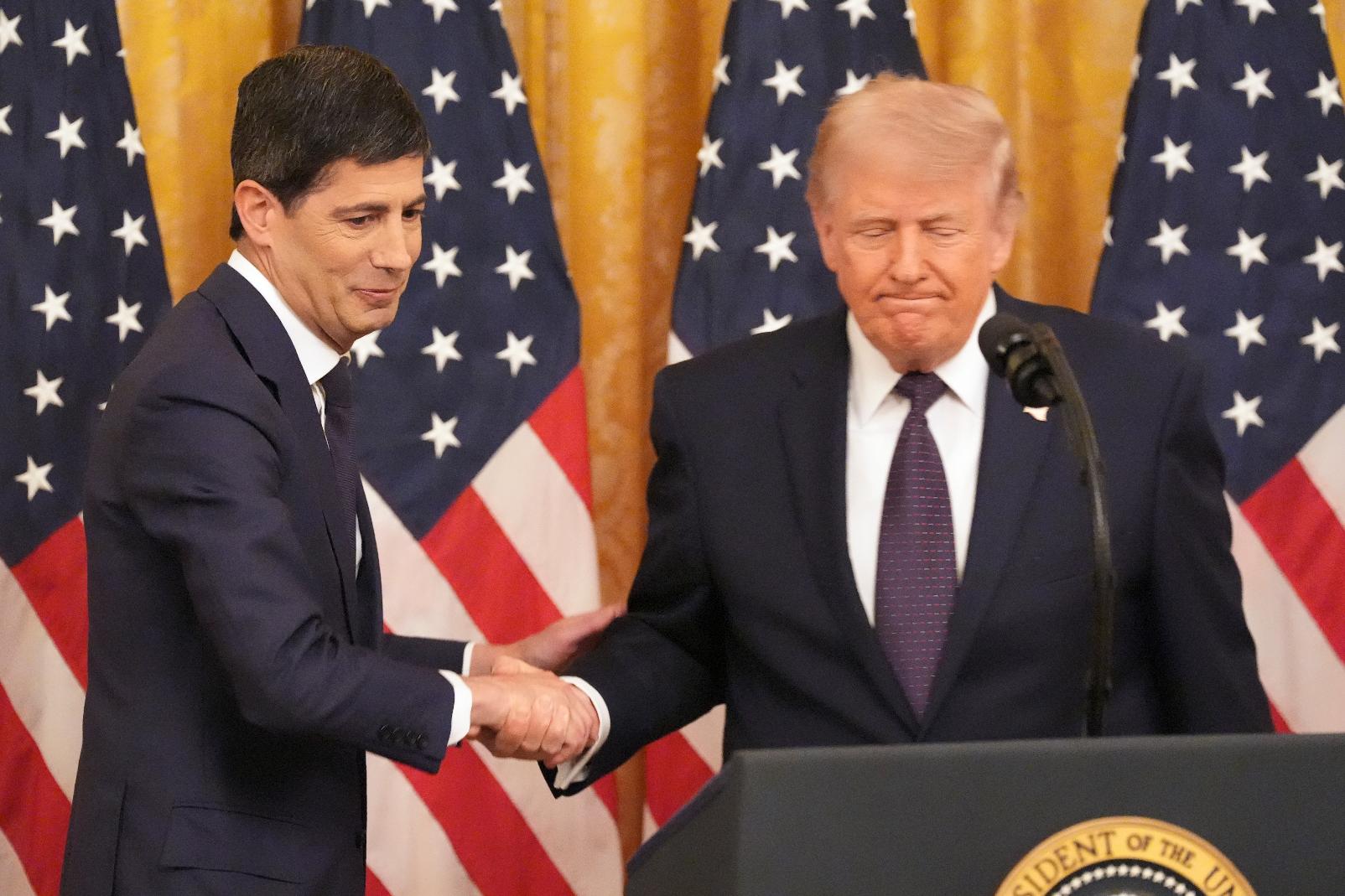
The phone lines between the West Wing and Eccles Building are about to catch fire. Wall Street traders are pricing in aggressive interest rate hikes, and Federal Reserve Chair Kevin Warsh looks entirely unbothered about what the White House wants. Donald Trump spent months demanding cheaper money to juice economic growth, ease national debt servicing, and feed the massive energy and tech build-outs. Instead, he got Kevin Warsh—a central banker with a notoriously hawkish streak and zero patience for political bullying.
If you think this is just another Washington turf war, look closer. This collision threatens to pop asset bubbles that spent years inflating under easy-money assumptions.
Why the White House and the Fed Want Opposite Things
The disconnect boils down to basic survival math versus central banking dogma. Trump needs low rates. Uncle Sam is drowning in more than $39 trillion in debt, and every tick upward in borrowing costs adds hundreds of billions to the national deficit. Beyond that, the administration banked on cheap credit to keep the artificial intelligence data center boom running at breakneck speed and to prevent unemployment from creeping higher.
Warsh is playing a completely different game. Core inflation refuses to sit quietly at the Fed's two percent target, hovering stubbornly higher as sticky energy prices and persistent supply pressures filter through the economy. Warsh didn't take the helm to rescue overvalued stock portfolios or make life easier for federal budget writers. His public statements make it painfully clear that letting inflation run hot is a tax on everyday Americans he refuses to endorse. When traders look at incoming consumer price data, they see a central bank forced into action, regardless of who sits in the Oval Office.
The Market Realities Wall Street Is Ignoring
For the past decade and a half, investors relied on a comfortable security blanket. Whenever markets wobbled or growth stalled, traders assumed the Federal Reserve would rush in with rate cuts. That era is dead.
Warsh has signaled a shift away from predictable forward guidance, leaving investors flying blind in a choppy macro environment. When a central bank stops holding the hand of Wall Street, asset prices reprice violently. We are watching a high-stakes standoff where higher-for-longer borrowing costs collide with record-high equity valuations that have virtually zero margin for error.
Retirees and fixed-income investors caught in this transition face a harsh wake-up call. Traditional 60/40 portfolios offer little sanctuary when both stocks and bonds absorb simultaneous hits from rising yields. When the Fed hikes into an economic slowdown, the old playbook breaks down entirely.
What This Means for Your Money Right Now
Stop betting on a quick central bank pivot. The political pressure coming from the executive branch will likely get louder, which only increases the odds that Warsh doubles down on independence to prove a point.
- Audit your duration risk: Long-term bonds will bleed value if yields keep grinding upward. Keep fixed-income allocations short and flexible.
- Ditch zombie companies: Businesses dependent on constant cheap debt refinancing to stay afloat are walking targets in a high-rate regime.
- Prioritize cash flow: Real earnings and pricing power matter infinitely more than growth promises when the cost of capital is elevated.
The collision between political ambition and monetary discipline isn't coming—it is happening right now. Plan accordingly.