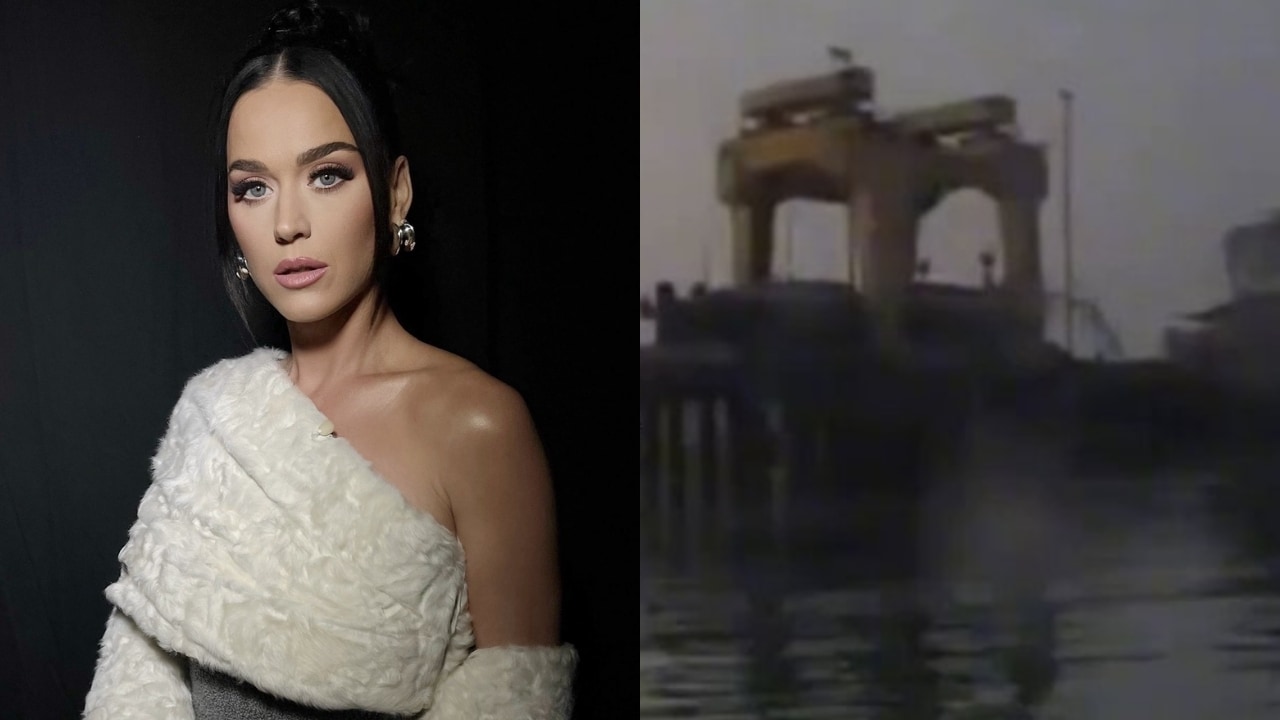
Everybody loves a good pop star grievance. The narrative writes itself: a mega-celebrity sitting comfortably in a compound discovers that a government agency used her track on social media, throws a public tantrum, and social media claps like seals for her independent spirit. Katy Perry declaring she never approved the White House using "Firework" for an Iran conflict post fits the standard script.
Except the script is legally illiterate, strategically naive, and fundamentally misunderstands how copyright, public service, and political messaging actually operate in the modern ecosystem.
I have spent two decades managing intellectual property rights and negotiating licensing agreements across entertainment and government sectors. I have seen creators throw multimillion-dollar tantrums over statutory provisions they signed away in standard industry contracts, and I have watched legal teams scramble to clean up PR messes born entirely of ignorance. The lazy consensus surrounding Perry is that artists own absolute moral veto power over every single context where their art appears.
They do not. And pretending they do is a disservice to how culture and governance interact.
The Copyright Myth and Fair Use Reality
Let us start with the legal mechanics because the public discourse here is hopelessly broken. When a celebrity complains that a government entity used their song without direct sign-off, they are usually leaning on a fundamental misconception about synchronization rights, political campaigns, and digital platforms.
Under standard Digital Millennium Copyright Act protocols and platform embedding rules, social media distribution often relies on institutional licensing frameworks. More importantly, when an official government account shares a news compilation, an informational reel, or a geopolitical update featuring a commercial track embedded via platform audio libraries, the legal boundaries shift dramatically.
Imagine a scenario where a military or defense update uses a commercially available track to underscore official messaging. Critics scream copyright infringement. Yet, standard statutory exceptions, political speech doctrines, and the sheer mechanics of platform-native audio tools complicate the picture.
Perry acts as though her art exists in a pristine vacuum of pure entertainment, untouched by the messy reality of global politics. But "Firework" stopped being just a piece of personal expression the moment it was mastered, released, and beamed into billions of devices. It became part of the cultural commons. When a pop song achieves that scale of saturation, it transforms into ambient societal noise. You cannot pipe an anthem about explosions and resilience into every stadium, commercial, and political rally for over a decade and then act shocked when a state apparatus treats it as public property.
The Hypocrisy of Selective Outrage
Let us look at the selective memory of the entertainment industry. Artists love the institutional halo until it requires accountability.
When politicians play pop songs at rallies, half the time the campaign actually holds a blanket public performance license through organizations like ASCAP or BMI that covers venue usage. Artists scream cease-and-desist anyway because it makes great headlines. It feeds the narrative of the plucky independent creator versus the oppressive machine.
In reality, most pop stars happily cash the backend performance royalties generated every time their tracks blare at political conventions, sporting events, and state-sponsored ceremonies. They want the decentralized revenue stream while retaining centralized control over their personal brand optics. You cannot have it both ways. You cannot monetize widespread cultural adoption while demanding a custom approval gate for every geopolitical context that makes you uncomfortable on a Tuesday morning.
If Perry genuinely wanted to keep her music out of geopolitical discourse, her team would never have licensed the master rights for use in broadcast environments where content curation is outside their direct, minute-by-minute oversight. The moment you put a song on a major label platform with global distribution, you surrender granular control of the context.
The Downside of the Contrarian Take
Let us be completely transparent about the flaws in this stance. Defending a government social media account using pop music without direct artist consent sounds like a defense of corporate or state overreach. It strips away the artist's autonomy. It feels cold, bureaucratic, and dismissive of personal boundaries.
There is a valid argument that creators deserve agency over the emotional associations of their work. If an artist explicitly builds a pacifist brand, seeing their work tied to military posturing is jarring.
But brand safety is not a legal right. It is a luxury.
If you want absolute control over your art, keep it off commercial streaming platforms. Release your tracks exclusively on vinyl to a closed-loop fan club. The second you enter the global marketplace, your art is drafted into service by the collective consciousness. It becomes a tool for weddings, funerals, protests, commercials, and yes, geopolitical announcements.
The Real Question We Should Be Asking
The public is asking: "How dare the White House use her song without permission?"
The question we should be asking is: "Why do pop stars believe their commercial output is exempt from the messy realities of the world they profit from?"
Katy Perry will survive a government account using her track. Her streaming numbers will not dip. Her brand will remain entirely intact. The outrage is manufactured theater designed to keep her name trending in a news cycle that would otherwise move on.
Stop treating artists like fragile monks guarding sacred texts. They are corporate entities operating in a global attention economy.
When you write an anthem about fireworks, do not act surprised when someone actually lights the fuse.


