The Ghost on the Moors
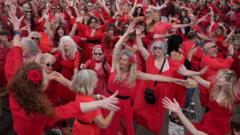
Kate Bush occupies a singular space in modern music. She stands as a monolith of artistic independence. Decades after its initial release, her seminal debut single continues to haunt public consciousness. Thousands gather annually in parks across the globe, dressed in crimson skirts, to reenact the frantic choreography of Wuthering Heights. This modern ritual represents something far deeper than mere nostalgia. It signals a profound hunger for unadulterated emotional expression in an era dominated by hyper-processed corporate pop.
Culture moves fast. Trends arrive and dissolve within days. Yet this specific movement persists. Observers often write it off as a quirky flash in the pan. They miss the structural mechanics driving its longevity. People do not just listen to Kate Bush; they inhabit her aesthetic universe.
Anatomy of a Cultural Flashpoint
To understand why thousands pay tribute to a 1978 track, we must examine the mechanics of contemporary fandom. Modern audiences crave authenticity. They possess a finely tuned radar for manufactured hype. Wuthering Heights emerged from an era when record labels took massive structural gambles on singular voices. Bush wrote the song at age eighteen, based on Emily Bronte's gothic masterpiece. Her high-pitched, piercing vocal delivery broke every convention of contemporary radio programming.
Radio executives initially balked. The track sounded too theatrical. It refused standard pop structures. Yet the public responded to its sheer emotional voltage.
- Radical Vulnerability: Bush bared raw psychological states without irony.
- Literary Depth: Elevating classic Victorian literature into chart-topping pop was unprecedented.
- Visual Storytelling: The accompanying music video utilized avant-garde modern dance long before MTV popularized the medium.
These elements forged a bulletproof foundation. When a piece of art relies on substance rather than fleeting production trends, it ages like fine wine. Listeners find new layers with every decade that passes.
The Economics of Communal Performance
Mass participation events changed the trajectory of heritage acts. The annual The Most Wuthering Heights Day Ever gatherings transformed a private listening experience into a shared, physical communion. Thousands of strangers move in unison across public greenspaces. This phenomenon taps into a primal human need for tribal belonging.
Digital streaming algorithms push isolation. Users sit behind screens, curating personalized silos. Mass flash mobs break those digital barriers. They force humans back into physical proximity, bound by a shared love for idiosyncratic art.
"Art is not about what you think it is, but what it makes you feel."
That sentiment explains the resilience of the movement. Corporate entities attempt to manufacture viral moments daily. They throw millions at social media campaigns, hoping to spark organic engagement. They almost always fail. Why? Because true cultural gravity cannot be bought. It grows from the bottom up, fueled by genuine passion rather than shareholder mandates.
The Streaming Resurgence and Algorithmic Irony
Pop culture history experienced a massive seismic shift when Stranger Things thrust Running Up That Hill back into global charts. Millions of teenagers discovered a thirty-year-old track overnight. Critics loved to label this an algorithmic fluke. That perspective ignores the underlying reality. An algorithm can serve a file to a user, but it cannot force that user to care.
The youth of today found something resonant in Bush's work. They found an antidote to emotional numbness. The music offers high drama. It validates confusion, longing, and existential dread.
The traditional music industry operates on calculated predictability. Producers rely on familiar chord progressions and safe lyrical themes. Kate Bush shattered those safety rails. She proved that audiences will follow an artist into the darkest, weirdest corners of the human psyche if the execution carries absolute conviction.
As long as society values polished perfection over raw humanity, the crimson-clad dancers will keep gathering on the grass, summoning the spirit of Cathy from the windowpane, reminding everyone what happens when an artist refuses to compromise