The lights are still on in Perth, but the foundation of Western Australia’s energy security just suffered a massive, weather-induced fracture. Tropical Cyclone Narelle, a category four monster with gusts peaking at 250 kilometers per hour, has forced the total shutdown of the Karratha Gas Plant, the beating heart of the North West Shelf (NWS) venture. This is not merely a story of a storm hitting a factory. It is a systemic failure occurring at the exact moment global energy markets are being strangled by geopolitical warfare in the Middle East.
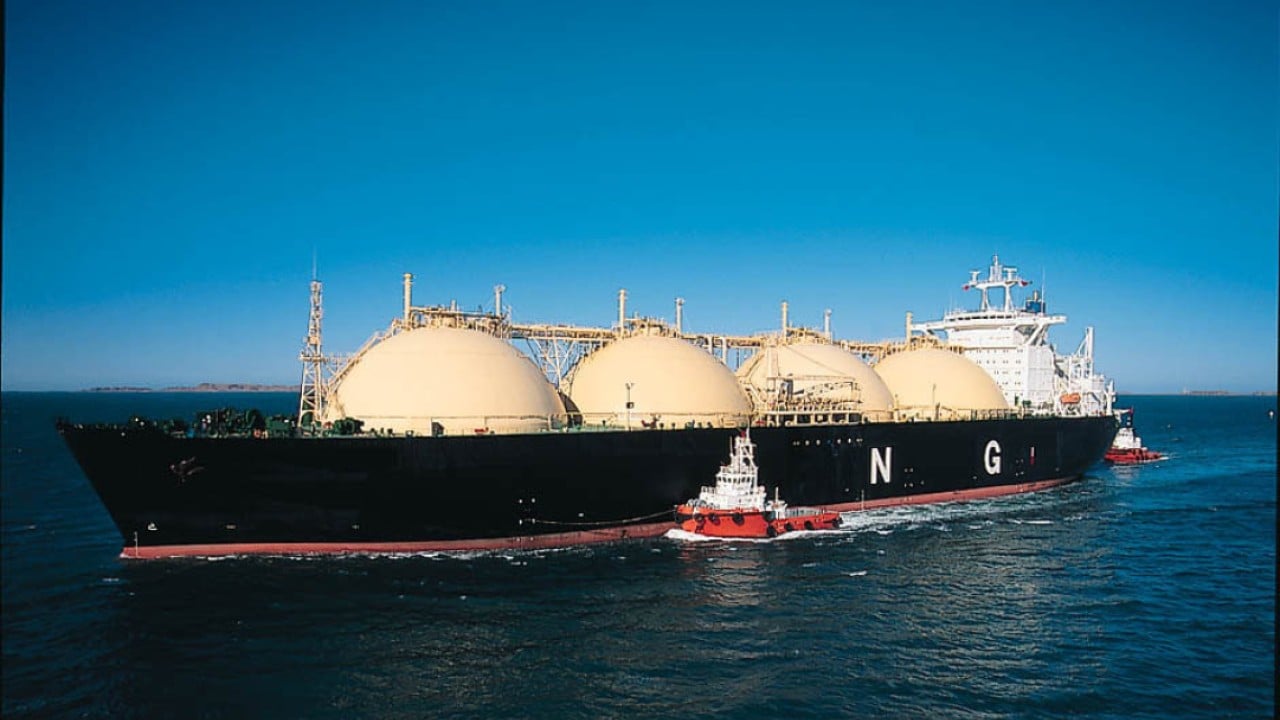
With the Karratha facility offline, a critical artery of both domestic and international fuel supply has been severed. This shutdown, combined with simultaneous outages at Chevron’s Gorgon and Wheatstone facilities, has effectively wiped out over 30 million tonnes of annual LNG export capacity. In a world where the Strait of Hormuz is currently a no-go zone and Qatari production is reeling from Iranian strikes, Australia’s sudden retreat from the market has sent Asian spot prices up by 90%.
The Strategic Failure of the Single Point of Success
The Karratha Gas Plant is an aging titan. While it has underpinned the state’s economy since 1989, its vulnerability to the "Pilbara corridor" of cyclones is a risk that has been managed, but never truly mitigated. When Woodside Energy confirmed that all four LNG trains and the domestic gas plant were down, they weren't just reporting a weather delay. They were exposing the reality that Western Australia's "secure" gas supply relies on a handful of highly concentrated nodes that are increasingly square in the path of intensifying weather systems.
The domestic fallout is immediate. The flow of gas into the Dampier to Bunbury Natural Gas Pipeline—the lifeblood of the state’s southwest—has stopped. While the pipeline itself acts as a massive pressurized storage tank, providing a temporary buffer, that "line pack" is a finite resource. If inspections of the offshore North Rankin, Goodwyn A, and Angel platforms reveal structural damage rather than just a need for a restart, the "fuel shortage" headlines will shift from alarmist to a permanent fixture of the 2026 economic landscape.
The Collision of Geography and Geopolitics
We have to look at the timing to understand the severity. Usually, a cyclone in the Pilbara is a localized headache for Woodside and Chevron. In March 2026, it is a global catastrophe.
- The Qatar Factor: With Qatar’s liquefaction plants crippled by recent military strikes, Asia has no safety net.
- The Domestic Squeeze: Fuel prices at Australian pumps have already cleared $2.30 per litre for unleaded and $2.80 for diesel due to the Middle East conflict.
- The Inventory Crisis: Australia currently holds roughly 32 to 36 days of fuel cover, a far cry from the 90-day international mandate.
When Karratha goes dark, the psychological impact on the market is as damaging as the physical lack of molecules. This shutdown has removed 8% of the world's LNG supply in a single 48-hour window. For Japanese and South Korean buyers who were already scrambling to replace lost Middle Eastern volumes, the Australian "safe haven" just proved to be anything but.
Assessing the Damage Offshore
The real story isn't the onshore plant; it’s the offshore infrastructure. Woodside has begun remobilizing workers to its platforms, but this is a slow, dangerous process involving helicopter transfers in the wake of a retreating storm. If the sea state remains high, those inspections are pushed back.
Chevron has already admitted that its Wheatstone facility near Onslow suffered equipment damage that will take weeks to repair. While Gorgon’s three trains reportedly returned to full production by Sunday, Wheatstone’s prolonged absence leaves a gaping hole in the domestic reserve. Wheatstone is mandated to provide 15% of its production to the Western Australian market. With that supply line broken, the state is cannibalizing its reserves.
The Economic Aftermath for the Pilbara
The disruption extends beyond the gas majors. The $6 billion Perdaman fertilizer project, a massive gas-fueled industrial bet in the Pilbara, was forced to halt construction. Agriculture in the Gascoyne region is reporting total crop failures. This isn't just an "energy" problem; it is a total regional freeze.
The Premier of Western Australia, Roger Cook, has promised one-off payments and support, but the government cannot subsidize the price of scarcity. If the North West Shelf cannot resume full domestic delivery within the week, industrial users will face the grim reality of "curtailment"—a polite industry term for being told to turn the machines off so the lights stay on in the suburbs.
The Myth of the Gas Transition
For years, policy makers have touted gas as the "bridge" fuel to a renewable future. The events of this week suggest the bridge is made of timber and built in a flood zone. The reliance on centralized, massive-scale gas processing plants like Karratha creates a "single point of failure" risk that decentralized energy systems don't share.
As of Sunday, March 29, 2026, the Karratha Gas Plant remains a silent monument to this vulnerability. Every hour the flares stay dark is another hour the global gas market tightens its grip on the throat of the Asian economy. Woodside’s "continuous disclosure" obligations will eventually force them to reveal the true state of the offshore platforms, but for now, the industry is holding its breath.
Would you like me to analyze the specific impact of the Wheatstone outage on Western Australia's manufacturing sector?