War is messy, but the narratives surrounding it are often suspiciously clean. When headlines scream about 400 casualties in a "drug treatment hospital" following Pakistani airstrikes in Kabul, the collective intake of breath is predictable. The outrage machine cranks to life. We see the same cycle: accusations of war crimes, Taliban-led press tours of rubble, and a complete failure to look at the mechanics of the conflict.
The "lazy consensus" here is simple: Pakistan is the aggressor, the Taliban are the victims, and a medical facility was the primary target. This version of events is a convenient fiction. It ignores the reality of how urban insurgencies operate and how modern regional powers settle scores when diplomacy hits a brick wall. For a deeper dive into similar topics, we suggest: this related article.
The Hospital Shield Fallacy
Let’s talk about the "hospital." In modern asymmetric warfare, the label on the door rarely matches the activity inside. I’ve spent years tracking the movement of militant groups across the Durand Line. One thing becomes clear very quickly: if you are an insurgent group like the Tehrik-i-Taliban Pakistan (TTP), you don't set up shop in a branded military barracks. You hide in plain sight.
The claim that 400 people were killed in a single strike on a medical facility is a statistical anomaly that demands scrutiny. For a strike to kill 400 people in one building, that building would need to be packed to a density that defies most fire codes and logic. For broader context on this development, in-depth analysis is available at Associated Press.
Here is the nuance the mainstream press misses: The Taliban utilize civilian infrastructure as a strategic asset. By housing TTP assets within or adjacent to "drug treatment centers," they create a win-win scenario. If the site isn't hit, they have a safe haven. If it is hit, they have a ready-made propaganda victory. We are witnessing the weaponization of victimhood. Pakistan isn’t hitting hospitals because they hate healthcare; they are hitting nodes of militant coordination that have been deliberately nested within civilian zones to ensure that any response carries a high political cost.
The TTP Pipeline Nobody Mentions
Everyone wants to talk about the "blitz" on Kabul, but nobody wants to talk about the "why."
Pakistan’s patience didn't just evaporate overnight. For months, the TTP—the Pakistani Taliban—has used Afghan soil as a launchpad for a relentless campaign of suicide bombings and ambushes across the border. The Taliban in Kabul have played a double game, promising to restrain these groups while effectively providing them with a retirement home and a training ground.
When diplomacy fails, kinetic action is the only currency left. Pakistan is currently testing a "Zero Tolerance" doctrine. The goal isn't just to kill militants; it’s to prove to the Taliban that their sovereignty is a polite suggestion if they continue to export instability.
Dismantling the Victim Narrative
People ask: "Why would Pakistan risk international condemnation by bombing a capital city?"
They ask because they assume international condemnation matters more than internal security. It doesn't. Islamabad is looking at a domestic crisis where their own soldiers are being slaughtered by weapons and fighters coming directly out of Kabul. In that context, a harsh headline in a Western newspaper is a small price to pay for disrupting the command structure of an enemy that is actively trying to dismantle the Pakistani state.
The Taliban's claim of 400 dead is a masterclass in information warfare. By inflating the numbers and emphasizing the "drug treatment" aspect, they pivot from being a regime that harbors terrorists to being a victim of "foreign aggression." It is a pivot we have seen before, and yet, the global media falls for it every single time.
The Math of Deception
Consider the physics of an airstrike. To achieve a body count of 400 in an urban setting:
- The payload would have to be massive enough to level multiple blocks.
- The target would have to be an extremely high-occupancy residential structure.
- The "drug treatment center" would essentially have to be a high-rise dormitory.
Satellite imagery and ground reports rarely support these "mega-casualty" claims in the immediate aftermath of a strike. The numbers are almost always adjusted downward once the cameras leave, but by then, the "Pakistani Atrocity" narrative is already baked into the global consciousness.
The Geopolitical Cost of "Surgical" Pretenses
The biggest mistake we make is believing in the "surgical strike." There is no such thing. War is a blunt instrument. When you drop a bomb on a city, you are making a mess.
Pakistan knows this. They aren't trying to be surgical. They are being loud. This "blitz" is a signal to the Taliban leadership that the "brotherly ties" are officially severed. If the Taliban cannot—or will not—police their borders, Pakistan will do it for them, regardless of whose flag is flying over the target.
The tragedy isn't just the loss of life; it’s the predictable hypocrisy. The Taliban, a group that seized power through a decades-long campaign of improvised explosive devices and suicide vests in civilian markets, is now lecturing the world on the sanctity of civilian life. It would be funny if it weren't so effective.
The Reality of the Proxy War
This isn't a localized skirmish. This is the opening act of a much larger regional realignment.
- Pakistan is signaling to China that it can and will take unilateral action to protect its borders, which is vital for the survival of the China-Pakistan Economic Corridor (CPEC).
- The Taliban are signaling to the world that they are the "stable" alternative to the chaos, despite the fact that they are the primary source of that chaos.
- The TTP is caught in the middle, realizing that their hosts in Kabul might not be able to shield them from high-altitude consequences forever.
We need to stop asking "How could this happen?" and start asking "What did the Taliban think would happen?" You cannot provide sanctuary to a group committed to the destruction of your neighbor and then act surprised when that neighbor stops respecting your borders.
The Hard Truth of Border Security
If you want to understand the situation, look at the geography. The Durand Line is a 1,600-mile scar through some of the most rugged terrain on earth. It is impossible to police through traditional means. When one side refuses to cooperate, the other side will eventually resort to the air.
Is it "right"? That’s a question for philosophers. Is it "inevitable"? Absolutely.
The current outcry over the Kabul strikes is based on the flawed premise that there was a peaceful status quo to be preserved. There wasn't. There was a slow-motion invasion of Pakistan by Afghan-based militants, and we are now seeing the inevitable, violent correction.
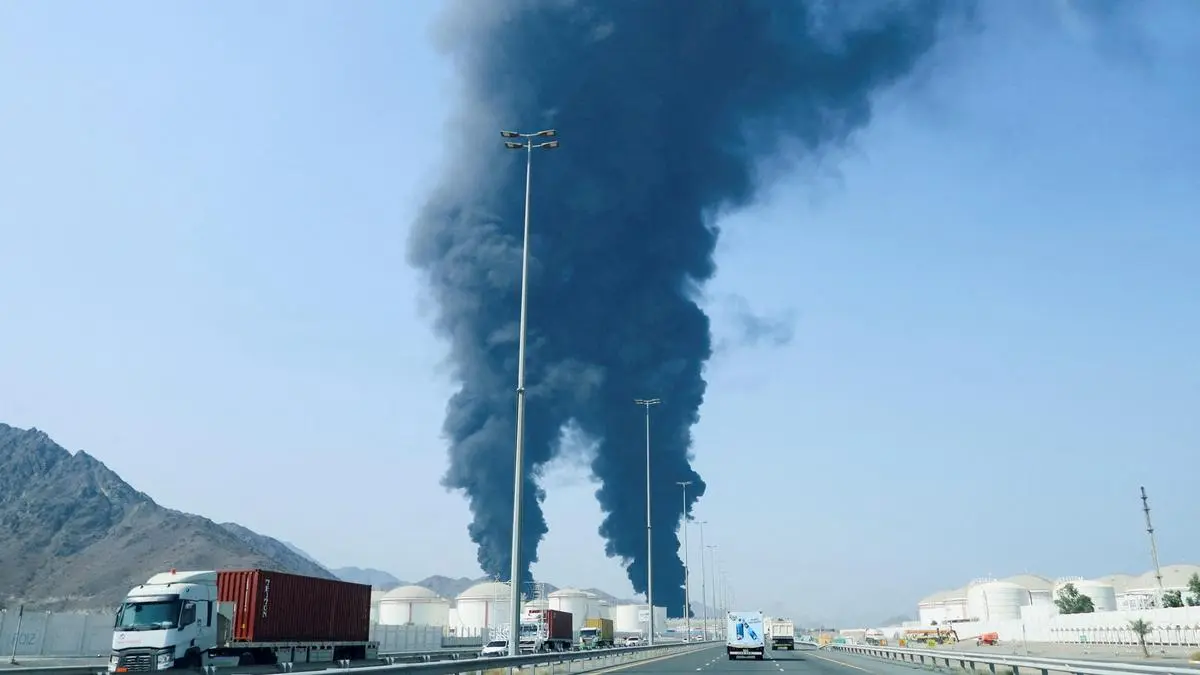
Stop looking at the smoke over Kabul and start looking at the maps in Islamabad and the hideouts in the Hindu Kush. The "drug treatment center" was a target because of who was sleeping there, not because of the medicine they were supposedly dispensing.
If the Taliban want the strikes to stop, they don't need to hold more press conferences in the rubble. They need to stop hosting the people who started this fire in the first place. Until that happens, the "blitz" isn't an atrocity—it's a predictable consequence.
The era of Pakistan's "strategic depth" in Afghanistan is dead. It has been replaced by a doctrine of "kinetic accountability." Get used to it.
Stop mourning the "hospital" and start questioning the occupants.
Would you like me to analyze the specific flight paths and munition types used in recent cross-border strikes to determine the technical capability of the Pakistani Air Force compared to regional peers?