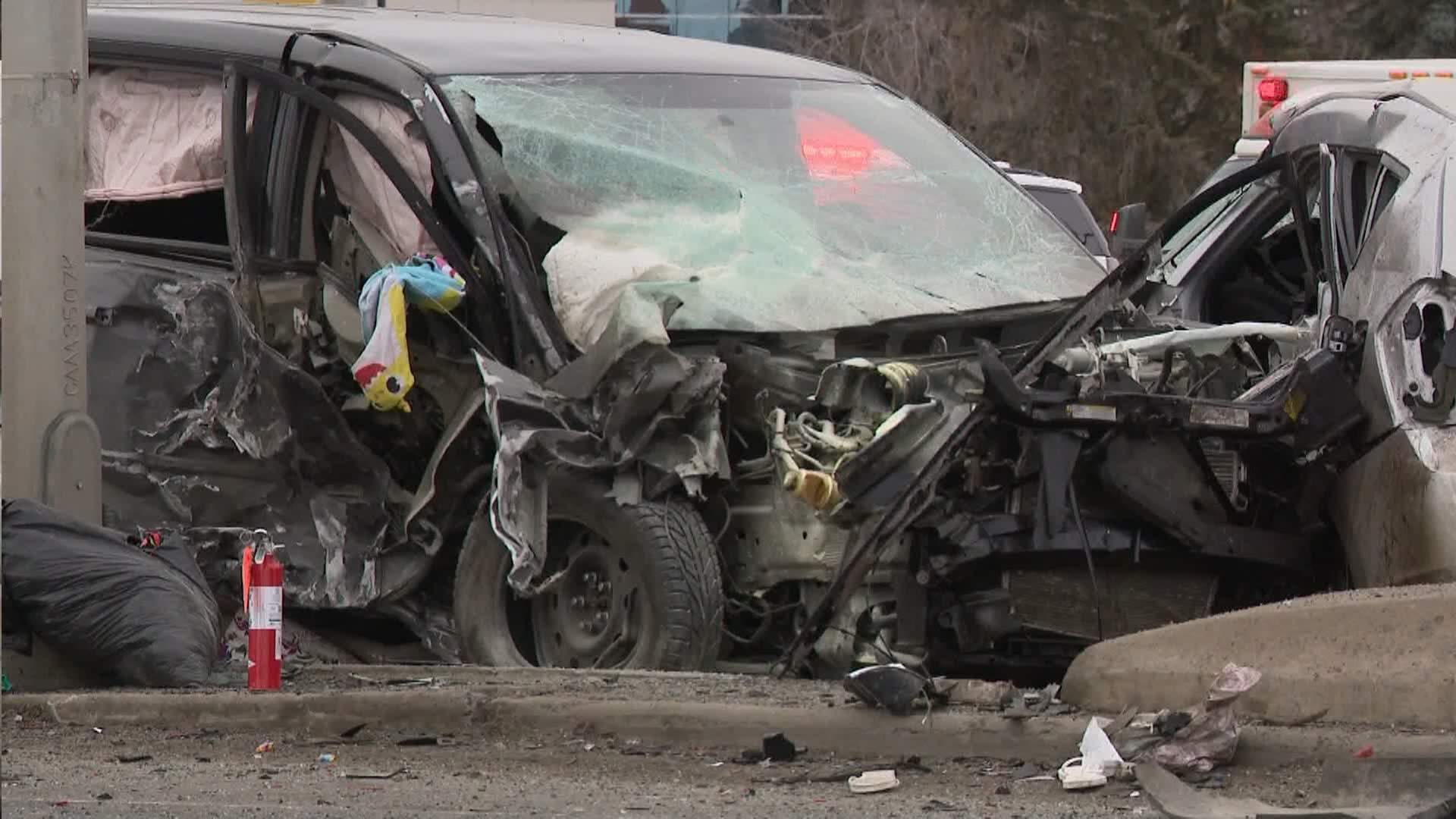
The wait for justice just got longer for a family destroyed on Boxing Day 2024. People often think the legal system moves with the clinical speed of a TV drama, but the reality is much messier. The man responsible for the crash that killed a child has seen his sentencing delayed, leaving the community and the victim's family in a painful state of limbo.
Courtrooms aren't just about facts and figures. They’re about closure. When a sentencing hearing is pushed back, it’s not just a calendar change. It’s a gut punch to those who’ve already lost everything. We’re seeing a pattern where complex traffic fatalities get bogged down in procedural delays, and frankly, it’s getting harder to justify to the public. In similar news, we also covered: Why the UAE Leaving OPEC is a Masterclass in Economic Betrayal.
Why the sentencing delay happened
Legal proceedings involving vehicular manslaughter or dangerous driving causing death are rarely straightforward. In this specific case, the delay stems from the need for additional reports. Specifically, the court is waiting on pre-sentencing evaluations that look at the defendant’s background and the specific circumstances of the 2024 Boxing Day crash.
Judges don't like to fly blind. They want to see every piece of paper—psychological assessments, victim impact statements, and technical crash reconstructions—before they hand down a number of years. While the defense might argue they need more time to prepare their mitigation strategy, the prosecution is often left trying to keep the momentum of the case alive. It’s a balancing act that usually favors the defendant’s right to a fair trial over the family’s right to a speedy resolution. The New York Times has also covered this fascinating issue in great detail.
The crash itself was a horrific reminder of how quickly a holiday can turn into a nightmare. Boxing Day is supposed to be about relaxation and leftovers, not roadside memorials. When a child is involved, the emotional stakes aren't just high—they're astronomical. The public outcry for swift punishment is loud, but the law moves at its own sluggish pace.
The technicalities of dangerous driving charges
You can't just look at a crash and decide the sentence on the spot. The law distinguishes between "accidents" and "criminal negligence." To get a conviction that sticks, the prosecution has to prove a specific level of culpability. Was the driver under the influence? Was there a mechanical failure? Or was it a moment of pure, avoidable recklessness?
- Speeding and Recklessness: In high-profile cases like the 2024 Boxing Day tragedy, speed is almost always a factor.
- Impairment: If drugs or alcohol were in the system, the sentencing guidelines shift dramatically.
- Precedent: Judges look at similar cases from the past decade to ensure the punishment isn't an outlier.
The defense often uses these delays to hunt for technicalities. They might challenge the way evidence was collected at the scene or question the calibration of a speed camera. Each challenge requires a hearing. Each hearing requires time. That's how weeks turn into months, and months turn into a year of waiting.
The impact on the community and the family
We need to talk about the "shadow victims" of these delays. It isn't just the immediate family. It's the first responders who attended the scene on Boxing Day. It's the neighbors. It's every parent who now grips their steering wheel a little tighter when they drive through that intersection.
When a case drags on, the trauma stays fresh. The family can't start the long, impossible process of "moving on" because they’re constantly tethered to the next court date. They have to see the face of the person who killed their child over and over again in a cold, wood-paneled room. It's a form of secondary victimization that our legal system hasn't figured out how to fix.
The public often loses interest as these cases fade from the front page. But for those involved, the silence of a delayed courtroom is deafening. We see this all the time in high-profile traffic fatalities. The initial outrage is a roar, but by the time the sentence is actually read, the world has moved on to the next headline.
What happens when the court finally reconvenes
When the new date finally arrives, the sentencing won't just be about the crash. It will be a theater of grief and accountability. The victim impact statements are the most grueling part. This is where the family gets to tell the judge—and the defendant—exactly what was stolen from them.
The defense will likely point to the defendant’s "remorse" or "clean record" prior to the event. They'll try to paint it as a tragic mistake rather than a criminal act. But for a family who spent their last Christmas with their child in 2024, there’s no such thing as a mistake that big.
The judge has a narrow window for the sentence. They have to follow statutory maximums while considering the specific horror of this case. In many jurisdictions, the maximum for dangerous driving causing death doesn't feel like enough to the victims. If the driver was intoxicated, the "aggravating factors" might push the sentence toward the higher end of the scale.
Staying informed on the legal process
If you're following this case, you should know that more delays aren't out of the question. The legal system is built on a foundation of "due process," which is basically a fancy way of saying "make sure we don't get sued later." It’s frustrating. It’s slow. It’s often deeply unsatisfying.
You can keep track of the case through official court listings, though they’re notoriously hard to navigate. Most people rely on local news, but the real details are often buried in the transcripts. If you want to support the family, the best thing is often the simplest: don't let the memory of the victim fade just because the court is taking its sweet time.
Keep an eye on the upcoming hearing dates. This isn't just about one man and one crash. It’s about how our society values the lives of children and how we hold drivers accountable for the lethal machines they command.
If you're driving this week, remember the 2024 Boxing Day crash. Put the phone down. Slow down. The legal system might be slow to deliver justice, but the consequences of a split-second decision are permanent.