Political consultants love complicated messaging. They spend millions of dollars testing three-word slogans in suburban focus groups while voters are standing in the grocery checkout line wondering why a carton of eggs and a gallon of milk just ate up half their weekly budget.
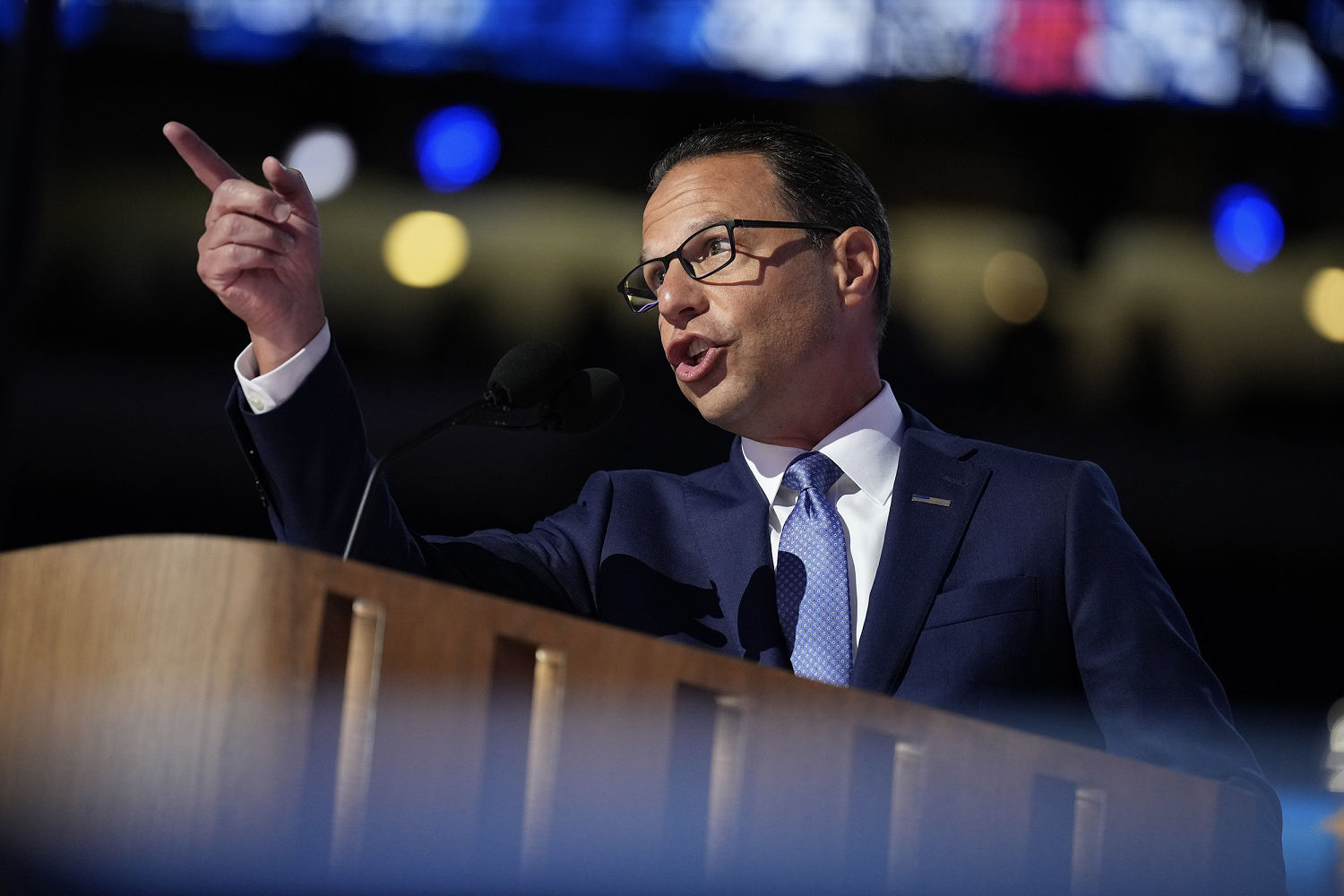
Pennsylvania Governor Josh Shapiro isn't playing that game. His message to the Democratic Party is blunt, stripped of Beltway jargon, and focused entirely on the kitchen table. He wants Democrats to prioritize healthcare and food assistance above almost everything else.
It sounds obvious. Yet in modern American politics, obvious things get buried under ideological purity tests and cable news shouting matches. When Shapiro pushes his party to zero in on Medicaid, Supplemental Nutrition Assistance Program (SNAP) benefits, and hospital access, he's making a calculated bet on what actually moves swing voters in battleground states.
The Political Reality Behind Shapiro's Message
Let's look at the map. Pennsylvania is the ultimate bellwether, and winning statewide there requires holding onto urban centers while bleeding as little support as possible in rural counties and post-industrial towns. You don't win Erie or Luzerne County with abstract policy papers. You win them by talking about whether the local hospital stays open and whether families can afford groceries.
Shapiro understands that healthcare and food security aren't niche "progressive" issues. They're baseline survival issues.
When federal lawmakers debate sweeping cuts to Medicaid or stricter work requirements for SNAP, those aren't theoretical exercises in fiscal discipline. In states with aging populations and high numbers of working-class families on tight margins, those cuts hit immediately. A rural hospital losing Medicaid reimbursement doesn't just hurt low-income patients. It threatens the primary employer in a small town and forces everyone—regardless of income or party registration—to drive forty-five minutes to the nearest emergency room.
I've watched countless campaigns crash and burn because candidates treated safety-net programs like charity rather than core economic infrastructure. Voters notice the difference. When politicians frame food assistance and medical coverage as basic economic stability for working people, the political math changes fast.
Why Democrats Often Lose the Plot
Democrats have a chronic habit of over-explaining. Instead of saying "we're going to make sure your kids have food and your parents have a doctor," they roll out twenty-point plans full of means-tested tax credits and administrative acronyms.
Shapiro's approach cuts right through that noise. By elevating healthcare and food assistance to the top of the agenda, he's forcing a direct contrast with opponents who propose trimming safety-net spending to offset tax cuts. It's an offensive strategy, not a defensive one. Rather than apologizing for government programs, he treats them as non-negotiable investments in working families.
Healthcare Access Beyond the Affordable Care Act
Most people hear "healthcare politics" and immediately think of the 2010 fights over the Affordable Care Act. That's old news. The real battleground right now involves Medicaid sustainability, prescription drug pricing, and the quiet collapse of rural healthcare networks.
Under Shapiro's administration in Pennsylvania, keeping eligible residents enrolled during the post-pandemic Medicaid unwinding process became a massive operational priority. Millions of Americans nationwide lost coverage during that period—not because they suddenly became wealthy, but because of bureaucratic paperwork errors.
Think about how infuriating that is. You work a full-time job that doesn't offer insurance, you qualify for coverage, and you get kicked off because a renewal notice went to an old address.
Shapiro has consistently argued that fixing these administrative bottlenecks and protecting Medicaid funding is both good governance and smart politics. When voters see a governor fighting to keep rural maternity wards open and pushing back against pharmacy benefit managers who inflate drug costs, they don't care about partisan labels. They care that someone is actually paying attention to their bills.
The Rural Hospital Crisis Nobody Can Ignore
If you want to understand why Shapiro emphasizes healthcare so heavily, look at rural Pennsylvania. Across the country, dozens of rural hospitals operate on razor-thin or negative margins. Medicaid and Medicare make up the vast majority of their revenue.
- Emergency care delays: When a community hospital closes, stroke and heart attack survival rates drop because ambulance transit times spike.
- Economic fallout: Hospitals are frequently the largest or second-largest employers in rural counties. Losing one hollows out the local tax base.
- Maternity care deserts: Labor and delivery units are usually the first thing hospitals cut when budgets tighten, forcing expectant mothers to travel hours for basic prenatal appointments.
By making healthcare protection a central pillar of the Democratic platform, Shapiro is speaking directly to rural and small-town voters who often feel ignored by national Democrats.
Food Assistance as Economic Policy
Food insecurity isn't just a crisis in major cities. In fact, some of the highest rates of SNAP participation in states like Pennsylvania are in rural, heavily Republican counties.
Yet food assistance remains one of the most misunderstood programs in American politics. Critics often paint SNAP recipients as people refusing to work. The data tells a completely different story. According to the U.S. Department of Agriculture, the vast majority of non-disabled, working-age SNAP recipients do work—often in retail, food service, warehousing, and home healthcare. These are jobs with erratic schedules, zero benefits, and wages that haven't kept pace with grocery inflation.
Shapiro has leaned hard into expanding food access, including universal free school breakfast programs in Pennsylvania. That single policy move is a masterclass in political strategy.
Why? Because universal programs eliminate stigma. When every kid in the cafeteria gets breakfast regardless of family income, low-income kids aren't singled out, parents save hundreds of dollars a year on morning groceries, and teachers deal with fewer hungry, distracted students. It's practical, visible, and wildly popular across party lines.
The Grocery Store Multiplier Effect
Here's something fiscal conservatives rarely mention when debating SNAP cuts. Every dollar spent through food assistance moves through the local economy almost immediately.
Unlike tax cuts for high earners—which often sit in savings accounts or stock portfolios—SNAP dollars are spent within days at local supermarkets, farmers markets, and corner stores. Economists at the USDA have repeatedly noted that SNAP is one of the fastest forms of economic stimulus during downturns. It keeps grocery stores profitable in low-income neighborhoods and supports agricultural supply chains.
When Shapiro urges Democrats to prioritize food assistance, he's framing it as a lifeline for local grocers and farmers just as much as a support system for families.
What Other Democrats Get Wrong About Kitchen-Table Politics
There's a big difference between talking about working-class voters and actually prioritizing the policies that keep them afloat.
Too often, national political figures treat economic anxiety like a messaging problem. They think if they just tweak a speech or release a slick video, voters will suddenly feel better about the economy. Voters aren't stupid. You can't convince someone their grocery bill is lower than it actually is.
Shapiro's insistence on tangible relief—expanding property tax and rent rebates for seniors, funding school meals, protecting Medicaid—works because people can actually feel the results in their bank accounts. You don't need a press release to tell you that your kid didn't have to pay for breakfast at school this morning.
Avoiding the Trap of Abstract Debates
Whenever Democrats get dragged into drawn-out fights over cultural buzzwords or hyper-specific regulatory theories, they lose ground with swing voters. Those debates signal to working families that politicians are distracted.
Shapiro's playbook is essentially a discipline exercise for his party:
- Lead with material needs. Put food, healthcare, and household costs in the first sentence of every stump speech.
- Make the contrast simple. Frame budget fights around real-world consequences, like closed clinics and empty pantries, rather than deficit percentages.
- Deliver visible wins. Focus on state-level policies—like free school meals or streamlined benefit renewals—that families experience directly.
It's not flashy. It won't generate viral clips on partisan social media feeds. Honestly, that's the entire point.
The Broader Stakes for the Democratic Party
Shapiro isn't just offering advice for Pennsylvania. He's laying out a survival blueprint for Democrats trying to hold onto working-class coalitions across the Rust Belt and beyond.
As the political landscape continues to realign along educational and geographic lines, Democrats face a stark choice. They can either become a party dominated entirely by affluent suburbanites and urban professionals, or they can rebuild trust with non-college-educated voters who feel squeezed by the cost of living.
You don't rebuild that trust with lofty rhetoric about institutions and norms. You rebuild it by proving you care whether people can afford insulin and groceries.
If Democrats actually listen to Shapiro, they'll spend less time chasing daily cable news outrage and far more time hammering a relentless, repetitive message on healthcare and food assistance. Keep the focus on the hospital down the road and the food on the table, and the rest of the political noise starts to fade.