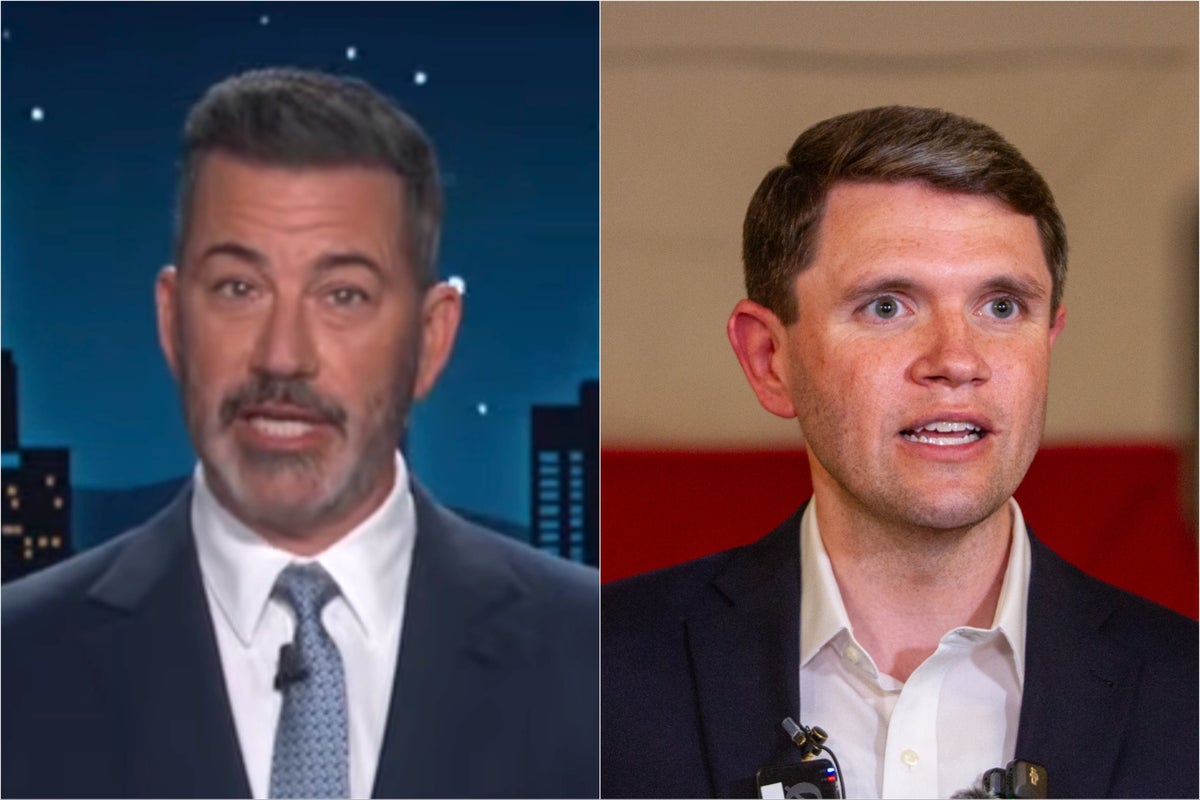
Late-night television is changing. Censorship worries are real. Jimmy Kimmel just proved it by pulling a high-profile political interview off traditional broadcast television.
If you tuned in expecting to see Texas Democratic Senate candidate James Talarico on ABC, you missed out. Instead of the usual studio broadcast, the segment went straight to YouTube. Why? Because the Federal Communications Commission threw down the hammer. Kimmel didn't mince words about the regulatory pressure. This isn't just about standard television scheduling. It marks a strange new era where government bodies and network brass are colliding head-on over who gets to speak on public airwaves.
The FCC Pressure Behind Closed Doors
Broadcast networks operate under federal licenses. That gives regulators immense leverage. When the FCC starts making noises about license renewals or content rules, corporate executives listen. Disney and ABC felt the heat. Kimmel explained to his audience that the network received explicit warnings.
The threat targeted not just the show itself, but ABC and its local affiliate stations. Imagine running a local TV station and getting word that your broadcast license is on the chopping block because a comedian wants to interview a rising political figure. Stations panic. Networks fold. Kimmel chose a different route rather than letting the segment get completely buried.
This situation highlights a massive loophole in modern media regulation. Traditional television faces strict government oversight under public interest guidelines. YouTube and streaming platforms do not. When television gets too hot to handle, creators simply shift digital formats.
Who Is James Talarico and Why Does He Matter
Texas politics usually stays in Texas. Talarico broke that mold. As a rising Democratic voice running for the U.S. Senate, he draws massive national attention through viral clips of his sharp legislative speeches and media appearances. He talks about faith, public education, and economic policy in a way that resonates far beyond regular party lines.
That kind of national exposure terrifies political opponents. When a regional politician starts pulling millions of views online, gatekeepers take notice. The attempt to block his television appearance ended up backfiring spectacularly. Moving the chat to the internet guaranteed way more visibility than a standard late-night time slot ever would.
Barring political figures from broadcast television creates a dangerous precedent. Equal time rules and campaign season regulations get messy. Yet, using regulatory threats to squash specific guests crosses a bright line into intimidation.
The Digital Workaround for Late Night
Creators are done playing by old rules. For decades, late-night television held a monopoly on cultural conversation. Johnny Carson, David Letterman, and early-era Kimmel dictated political relevance. Today, broadcast TV is losing its grip.
When television execs back down due to regulatory pressure, talent finds an alternative. YouTube doesn't require a broadcast license. It doesn't answer to the FCC. By shifting the interview online, Kimmel bypassed the corporate chokehold entirely.
Audiences are voting with their clicks. Linear television ratings continue to slide downward while digital video consumption climbs. Bureaucrats trying to censor television through administrative threats are fighting a losing battle against open internet architecture. You can pull a segment off a local affiliate channel, but you cannot delete it from the cloud.
Keep an eye on how other hosts handle political guests moving forward. If network legal teams keep getting spooked by federal agencies, expect more high-profile interviews to skip the television screen entirely. Check out the digital channels directly if you want unfiltered conversations. The shift is already happening.

:max_bytes(150000):strip_icc():focal(999x0:1001x2)/hemsworth-parents-craig-leonie-8-0ce1804e412f4972a0b7610a0bbe12c1.jpg)