Everyone expected Japan to take a massive hit this spring. With the U.S.-Israeli war with Iran effectively shutting down the Strait of Hormuz, energy-dependent Tokyo looked like a sitting duck.
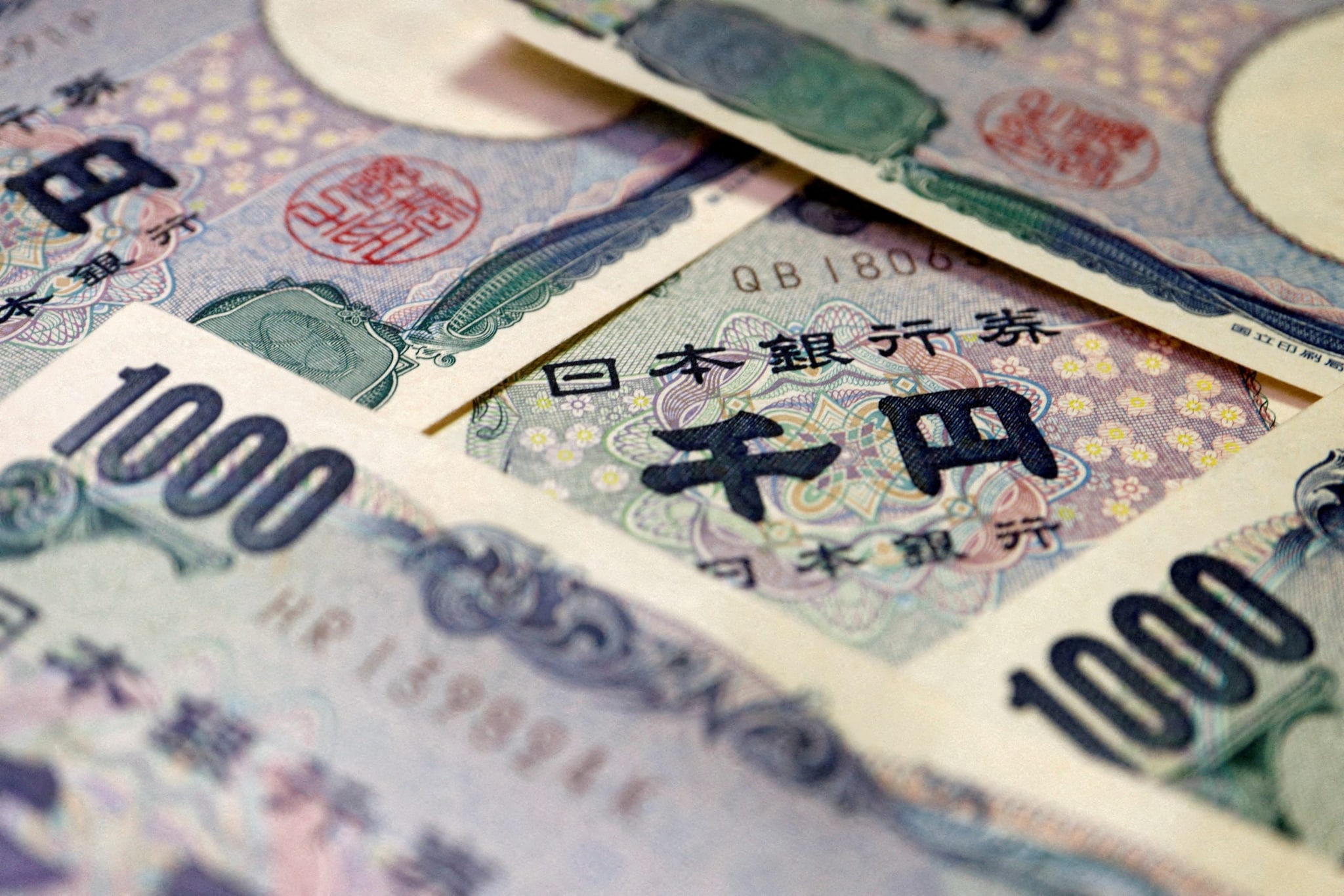
Instead, the Ministry of Finance just dropped a bombshell. Japan didn't just survive April; its trade balance swung into an unexpected surplus of 301.9 billion yen ($1.9 billion). Economists are rubbing their eyes because the consensus predicted a 29.7 billion yen deficit.
Here is what actually happened behind the headlines.
The Massive Semiconductor and Auto Surge
Let's look at the actual numbers. Total export value jumped 14.8% year-on-year to 10.51 trillion yen. That obliterates the 9.3% growth the market expected. It turns out global demand for what Japan makes is far more resilient than people realized.
Shipments to China surged 15.5%, and exports to the U.S. rose 9.5%. What are they buying? Three things are driving this train:
- Semiconductors and advanced electronic devices.
- Plastics and specialized chemical products.
- Automobiles and capital machinery.
The weak yen kitted out Japanese exporters with a massive price advantage. When the currency hovers around 158 yen to the dollar, everyhttp://googleusercontent.com/image_content/186
single car or chip shipped overseas looks like a bargain to international buyers. It inflates the total value of those exports when converted back home.
The Shocking 64 Percent Oil Drop
The real shocker isn't what Japan sold. It's what they didn't buy.
Crude oil imports plummeted by a staggering 64% in April. That is the sharpest decline Japan has seen since 1980. Think about that for a second. We are in the middle of a massive Middle Eastern conflict that has sent global oil and gas prices through the roof. Yet, Japan's total import bill only grew by 9.7% to 10.21 trillion yen.
How did they pull this off without crashing their industrial base?
First, Japanese manufacturers are currently running on fumes—literally. They are burning through existing inventories and leaning heavily on the nation's massive strategic oil reserves. Second, they started scrambling for alternative suppliers. Japan rapidly dialed up crude imports from the United States to offset the Middle East bottleneck.
But don't assume the import side is quiet. The reason imports still rose nearly 10% despite the oil drop is data centers. Japan is on a massive data center construction binge right now. To feed those facilities, companies imported a mountain of computing equipment, semiconductors, and electrical machinery.
The Inflation Trap Hidden in the Numbers
Before you celebrate a triumph for Tokyo, we need to talk about the dark side of these numbers. This isn't all organic economic growth. A lot of it is just pure inflation.
The Bank of Japan just revealed that corporate wholesale prices jumped 4.9% in April. That is the fastest acceleration in nearly three years. Import prices specifically rocketed up 17.5% in yen terms.
"Japan relies on overseas sources for energy and food. The current situation in the Middle East is a classic negative supply shock." — Bank of Japan Policy Review, May 2026.
Because the Strait of Hormuz is blocked, the price of chemicals like ethylene surged 9.2%, and petroleum products rose 5.3%. Japanese businesses are facing intense pressure. They are paying vastly more for raw materials, and they are starting to pass those costs directly onto the consumer.
What You Should Do Next
If you are managing supply chains, trading global macro, or tracking Asian equities, you can't rely on old assumptions about Japan's vulnerability. Take these concrete steps today.
First, audit your exposure to energy-intensive sectors like chemicals and plastics. Japan's current export boom relies on burning through existing stockpiles. If the Middle East conflict drags past the summer, those strategic reserves will deplete. When that happens, production costs for Japanese factories will spike, and export momentum will stall hard.
Second, watch the Bank of Japan's next rate meeting closely. This trade surplus, combined with Q1 GDP growing at an annualized 2.1% pace, gives the central bank all the ammunition it needs. With wholesale inflation at a three-year high, the pressure to raise interest rates is boiling over. Expect a hawkish shift sooner than the market is pricing in.
Shift your focus away from traditional automotive plays and look closer at Japanese tech infrastructure. The real story inside the import data is the insatiable domestic demand for chips and data center hardware. That sector is completely insulated from the energy crunch and will keep growing regardless of what happens in the Middle East.