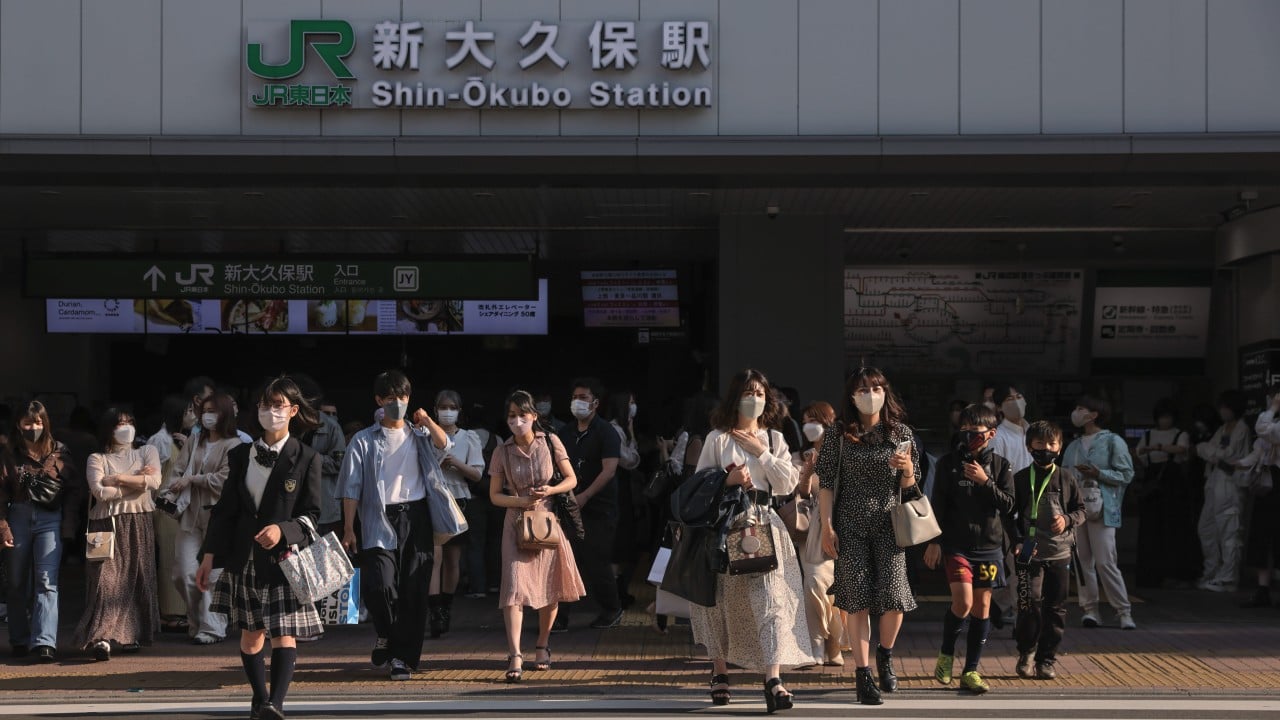
The hand-wringing over Japan’s changing stance on immigration is built on a comfortable, lazy consensus. Pundits love to cry that Tokyo must fundamentally change how it views foreign bodies because public opinion surveys show growing friction and tighter visa compliance. They argue that if Japan does not offer a warm, open-ended embrace to the world, its demographic cliff will swallow it whole.
They have got it completely backward.
Japan is not losing global labor talent because the domestic population is suddenly hostile, nor is it failing because of bureaucratic red tape alone. Tokyo is losing because it treats human labor as a discounted band-aid for an addicted corporate sector that refuses to automate or raise baseline productivity.
Let us look at the hard data. The average monthly salary for foreign labor in Japan hovers around 248,000 yen. Just across the sea, South Korea’s comparable employment packages average closer to 293,000 yen. This is not a culture clash. This is simple, brutal math.
I have seen corporate boards blow millions trying to spin inclusion workshops and intercultural communication training while keeping entry-level wages completely stagnant. They want cheap hands to staff convenience stores, elderly care facilities, and assembly lines without paying the true cost of human infrastructure. When workers realize the weak yen and low relative purchasing power make long-term retention a financial trap, they pack their bags for Seoul, Taipei, or Western markets.
Blaming xenophobia is an easy cop-out for economic lazybones. It lets corporate executives off the hook for failing to upgrade their operations.
Imagine a scenario where every major retail and logistics chain in Tokyo was suddenly cut off from incoming overseas labor overnight. Panic would ensue for precisely three weeks. Then, out of sheer survival, capital expenditure on robotics, automated warehousing, and artificial intelligence integration would skyrocket. The obsession with body-count immigration masks a deep-seated structural rot: corporate Japan has used low-wage foreign labor as an excuse to avoid modernizing its business models.
To fix this, we need to stop debating how to make low-wage workers feel more "welcome" while paying them poverty-line wages. Welcome does not pay rent. Respect does not cover the mandatory national pension or health insurance contributions that newer, tighter permanent residency guidelines are legally enforcing.
The Yomiuri Shimbun and Waseda University data points to rising public anxiety, yes, but that anxiety is fueled by the illusion that immigration is an unregulated flood rather than a managed economic tool. The state is responding with stricter language requirements and income thresholds for permanent residency because politicians know that unmanaged, low-cost labor depresses domestic wage growth across the board.
If Japan wants high-caliber global talent, it must compete on global terms. That means blowing up the traditional seniority-based pay scale, wiping out the shady private-sector dispatch middlemen who skim wages off the top, and treating foreign professionals as valuable assets rather than temporary utility bills.
Stop trying to fix the cultural narrative. Fix the paycheck.
Japan to toughen permanent residency rules for foreigners
This video provides a direct look at the official policy shifts and tightened permanent residency standards that illustrate Japan's current pivot toward stricter labor management.