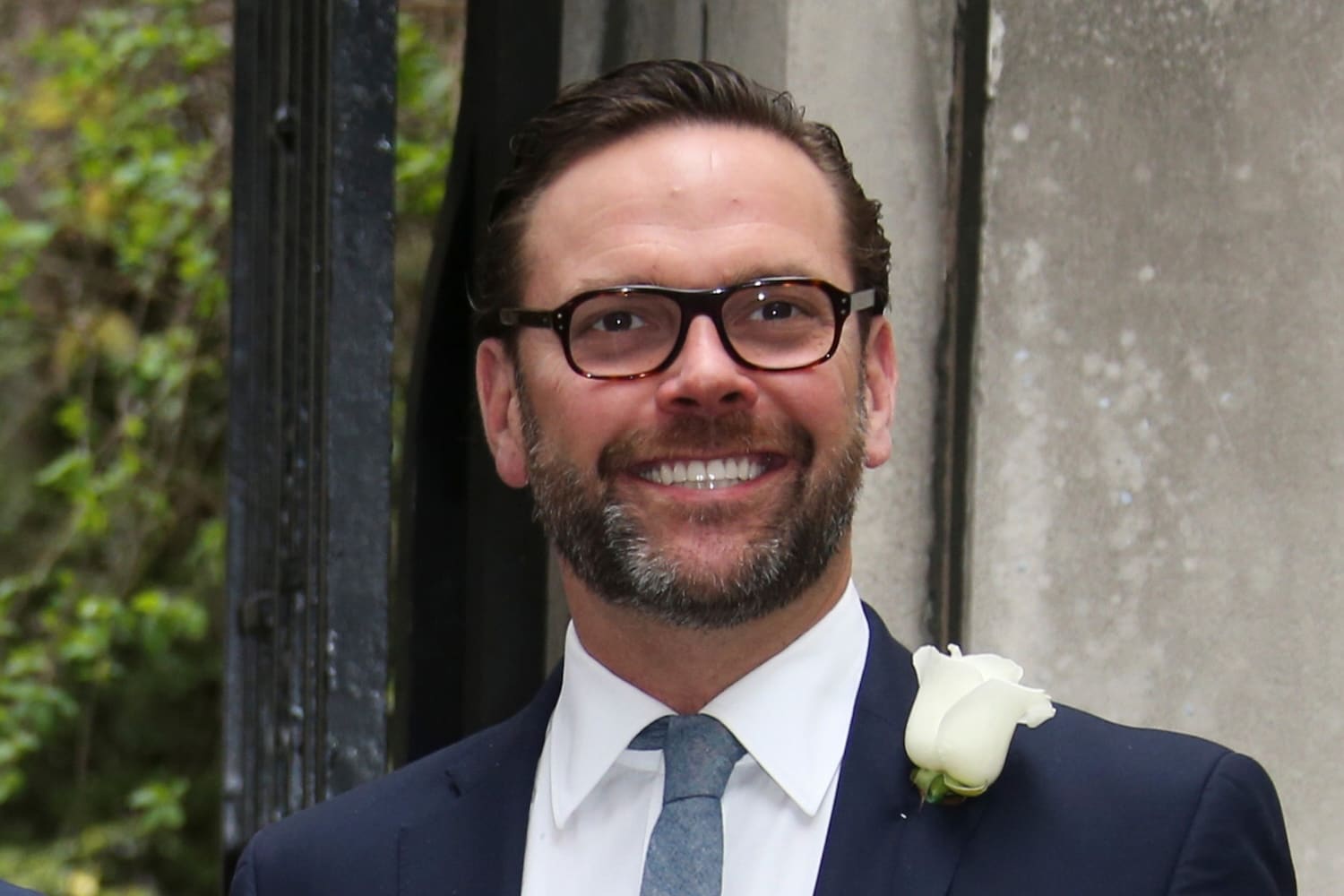
James Murdoch isn't looking for his father's approval, and he's definitely not trying to rebuild Fox News.
The 53-year-old media scion just dropped an estimated $300 million to acquire New York Magazine, Vox.com, and the highly lucrative Vox Media Podcast Network. The deal, executed through his private holding company Lupa Systems, splits Vox Media entirely in half. It leaves legacy digital brands like The Verge, Eater, and SB Nation behind under a separate corporate banner while Murdoch takes the cultural crown jewels.
If you think this is just a billionaire buying a hobby print magazine, you're missing the real play. This isn't about paper subscriptions. It's about a massive land grab for premium audio talent, intellectual property that Hollywood is desperate to buy, and a deliberate attempt by James Murdoch to construct a progressive media ecosystem completely divorced from his family's conservative legacy.
Inside the Three Hundred Million Dollar Split
To understand why this deal happened, you have to look at what Vox Media actually became over the last decade. It grew too big, too bloated, and faced an identical struggle to every other digital media company trying to survive on banner ads.
By splitting the company, Vox Media CEO Jim Bankoff, who will run the new Murdoch-owned entity, is separating high-margin, talent-driven cultural assets from high-traffic, niche-interest websites.
Lupa Systems is picking up a very specific package:
- New York Magazine and its powerhouse digital verticals: The Cut (fashion and culture), Vulture (entertainment), Intelligencer (politics and business), Curbed (real estate), Grub Street (food), and The Strategist.
- Vox.com, the explanatory journalism site.
- The Vox Media Podcast Network, which includes massive ad-revenue generators like Pivot hosted by Kara Swisher and Scott Galloway.
Left behind in the transaction are Eater, PopSugar, SB Nation, The Dodo, and The Verge. Those brands will spin off into an independent company under a new name led by Vox Media President Ryan Pauley.
This isn't a standard corporate buyout where an investor takes a minority stake and hopes for a dividend. Murdoch is buying a controlling half of the original Vox empire because he wants a vehicle for "longer-form, thoughtful journalism that can really speak to the culture," as he told the New York Times.
The Real Value is in Your Earbuds
Let's look at the math because the numbers tell the real story. Insiders familiar with the transaction revealed that the podcast division was valued significantly higher than New York Magazine itself.
Audio is where the money is. According to recent data from Edison Research, podcasts reach 58% of Americans monthly, including a staggering two-thirds of the highly coveted 18-to-54 demographic. Advertisers are fleeing traditional cable news because that audience is aging out. They're moving those dollars into premium audio networks where listeners have an intense, personal loyalty to the hosts.
Murdoch and his wife, Kathryn, didn't just sign a check; they personally spent months courting Vox's top audio talent before the ink dried. They needed to make sure the stars wouldn't walk out the door the moment a Murdoch took ownership.
Take Pivot, the flagship show hosted by Swisher and Galloway. The show has three years remaining on its contract, and securing that asset was central to the deal. Galloway noted after the announcement that "James is the only Murdoch that this deal could have happened with."
When you buy a media company today, you aren't buying the printing presses or the CMS software. You're buying the contracts of the people who command the attention of millions of high-income professionals every Tuesday and Friday morning.
Stepping Out of Rupert's Shadow
You can't talk about James Murdoch without talking about his father, Rupert, and the succession war that tore their family apart.
For years, James was the heir apparent to 21st Century Fox. But as the family empire leaned harder into right-wing populism, James soured on the family business. In 2020, he resigned from the board of News Corp, explicitly citing disagreements over editorial content. Then came the brutal, multi-billion-dollar legal battle in a Reno, Nevada court over the family trust, which ultimately left his older brother Lachlan in control of Fox Corp and News Corp.
James and his sisters effectively cashed out, with James walking away with a $1.1 billion payout. He's now using that capital to build an alternative media universe.
There's a delicious historical irony here that media observers are losing their minds over. Rupert Murdoch actually owned New York Magazine from 1977 until he was forced to sell it in 1991. But James insists this isn't an emotional revenge play. He claims his father's past ownership holds no special significance and that he's simply building a great business.
But look at Lupa Systems' other investments, and the strategy becomes clear. James has quietly built a portfolio that focuses heavily on elite cultural institutions and global scale:
- Art Basel, the premier global art fair business.
- Tribeca Enterprises, the media company behind the Tribeca Film Festival, co-founded by Robert De Niro.
- Bodhi Tree Systems, an investment platform that holds a massive stake in India's JioStar streaming network, reaching 750 million viewers.
By adding New York Magazine and Vox to this mix, Murdoch now owns the premier elite print brand, the top cultural festival brands, and a massive digital audio megaphone.
What This Means for Content and Hollywood
If you're wondering how this affects what you read and listen to, the short answer is: expect more television shows based on magazine articles.
New York Magazine and its verticals, particularly The Cut and Vulture, are legendary for producing long-form narrative journalism that Hollywood options for movies and streaming series. Think of Inventing Anna or Hustlers—both started as articles in New York Magazine. By bringing these editorial rooms under the same roof as Tribeca Enterprises, Murdoch creates a direct pipeline from a reporter's notebook to a streaming screen.
Financially, the move provides a massive safety net for these newsrooms. James and Kathryn Murdoch have already poured more than $50 million of their personal wealth into journalism via their Quadrivium Foundation, funding initiatives like the American Journalism Project. Editors at both Vox and New York Magazine sent memos to their staffs reassuring them that the Murdochs are committed to absolute editorial independence.
The digital media experiment of the 2010s—relying on venture capital and Facebook traffic algorithms—is officially dead. The new era belong to ultra-wealthy benefactors who understand that premium, subscriber-supported content and high-end audio networks are the only way to survive. James Murdoch just bought himself the loudest, smartest voice in that room.
If you are a media professional, creator, or advertiser, the next step is clear: watch how Lupa integrates its live events. The real monetization won't happen on a webpage. It will happen when Art Basel, Tribeca, and the Vox Media Podcast Network begin crossing over to create exclusive, live, high-ticket experiences for the world's elite audiences. That's the ecosystem James Murdoch is building, and he now has the missing pieces to pull it off.