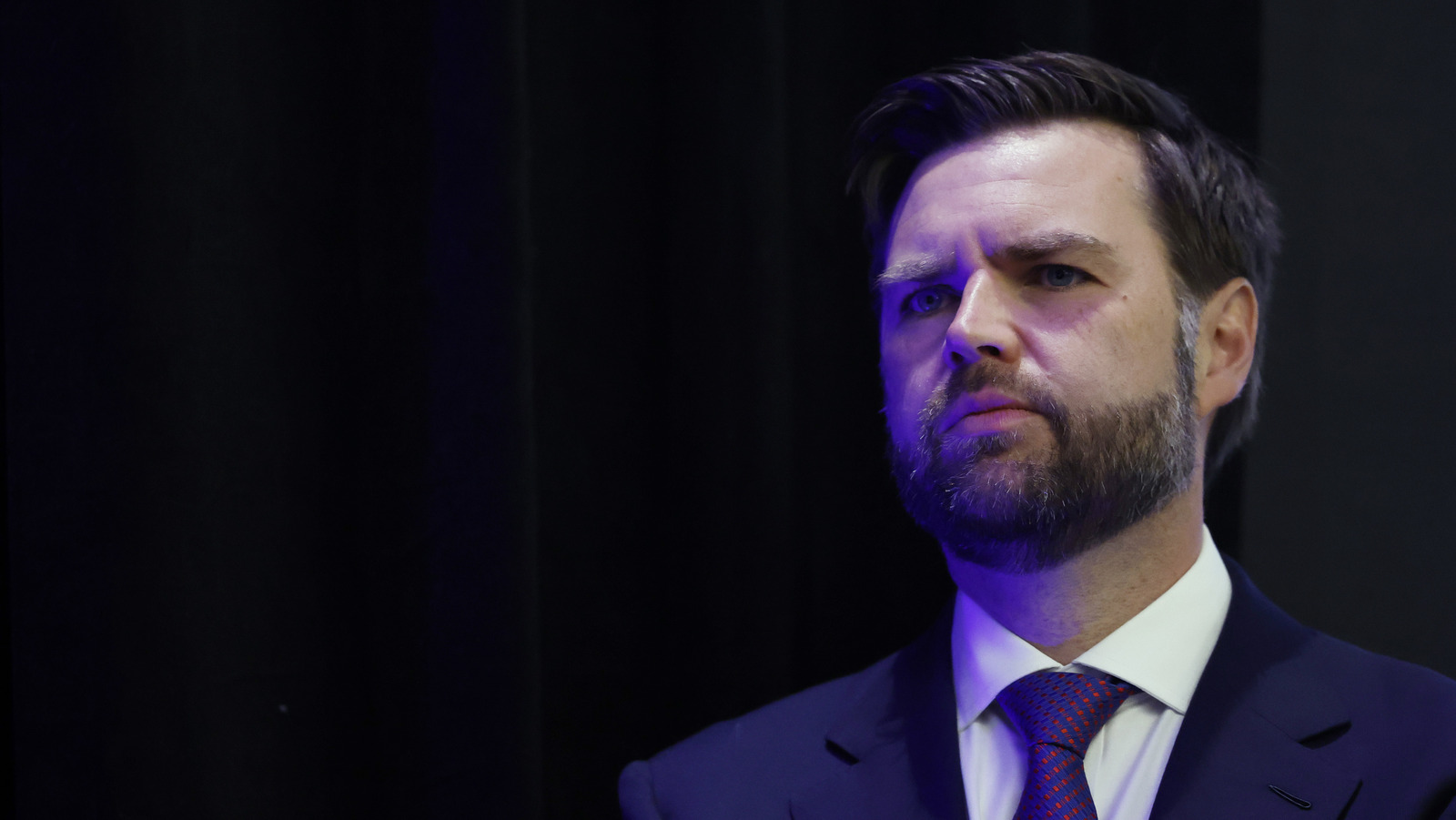
J.D. Vance is putting the burden of proof squarely on Tehran. He’s making it clear that any talk of a ceasefire or a long-term dip in tensions depends entirely on one thing. Good faith. It sounds simple. In reality, it’s a massive hurdle in a region where trust is basically non-existent. You can’t just sign a paper and hope for the best. History shows us that doesn't work. Vance is signaling that the next administration won't be fooled by empty promises or diplomatic theater.
The core of the issue is whether Iran is actually ready to stop its regional escalations. We’re talking about a country that’s spent decades building a network of proxies. These groups don't just disappear because of a handshake in a fancy hotel. Vance’s warning is a shift back toward a "trust but verify" stance, but with a much heavier emphasis on the "verify" part. If you’re looking for a quick fix to Middle East tensions, this isn't it. It's a grind.
Why Good Faith Is a High Bar for Tehran
Good faith isn't a vague feeling in international relations. It’s measurable. For Vance and the current political movement he represents, it means seeing a tangible pullback in support for groups like Hezbollah and the Houthis. It means stopping the shipment of drones and missiles. It means an end to the rhetoric that calls for the destruction of regional neighbors.
Most people get this wrong. They think a ceasefire is just about stopping the shooting for a few weeks. That’s a band-aid. Vance is looking at the wound. He knows that without a fundamental change in how Iran operates, any pause is just a chance for them to reload. You don't give an opponent a breather if they’re just going to use it to sharpen their sword.
This isn't just tough talk for the sake of it. It’s a recognition of the geopolitical reality. Iran has a long track record of using negotiations to buy time. They’ve done it with their nuclear program. They’ve done it with regional disputes. Vance is basically saying the old playbook is dead. You want a deal? Prove you mean it. Show us the receipts.
The Strategy of Maximum Pressure Reimagined
We saw the "Maximum Pressure" campaign during the first Trump term. It was designed to choke the Iranian economy and force them to the table. It worked to a degree. The currency plummeted. Oil exports dropped. But it didn't completely stop the regional meddling. Vance seems to be advocating for a version of this that's even more tied to specific behavioral outcomes.
It’s not just about sanctions. It’s about creating a credible threat that makes the cost of bad faith too high to bear. This involves building a stronger coalition with regional allies like Saudi Arabia and the UAE. These countries are on the front lines. They know the threat better than anyone in Washington. By aligning closely with them, the U.S. creates a unified front that Iran can't easily ignore.
Think about it this way. If you’re a business owner and a partner keeps breaking contracts, you don't just sign a new one. You demand collateral. You demand oversight. You demand a track record of performance before you put more money on the table. Vance is treating foreign policy like a high-stakes business deal where the "collateral" is regional security.
The Proxy Problem and the Limits of Diplomacy
You can't talk about an Iran ceasefire without talking about the proxies. They’re the long arm of Iranian influence. Even if the government in Tehran says they want peace, do they actually control every militia they’ve funded? Sometimes the tail wags the dog. Or, more likely, Tehran uses these groups to maintain "plausible deniability" while they keep the pressure on.
Vance’s insistence on good faith talks covers this gap. It implies that Tehran is responsible for the actions of its subordinates. If a Houthi missile hits a ship in the Red Sea, that’s an Iranian failure of good faith. Period. No excuses about "independent actors." This level of accountability is what’s been missing from recent diplomatic efforts. It’s a hardline stance that many critics argue could lead to more conflict. But Vance argues it’s the only way to prevent a much larger, more devastating war down the road.
The skepticism is real. Many experts at places like the Atlantic Council or the Brookings Institution have long debated whether Iran is even capable of this kind of shift. Their entire power structure is built on being the vanguard of a certain ideology. Asking them to stop is asking them to change their DNA. It’s a tall order.
Redefining American Interests in the Middle East
For a long time, the U.S. was stuck in "forever wars." Vance has been a vocal critic of that. But being anti-war doesn't mean being pro-weakness. His stance on Iran reflects a desire to protect American interests without getting bogged down in endless occupations. It’s about using American power as a lever, not a blunt instrument.
If Iran thinks they can wait out the U.S. or play different factions against each other, they’re mistaken. Vance is signaling a long-term commitment to a specific set of rules. These rules aren't up for debate. You follow them, or the pressure stays on. It’s a clear, direct approach that cuts through the usual diplomatic jargon.
The goal isn't just a ceasefire. It’s a stable region where the U.S. doesn't have to keep thousands of troops stationed indefinitely. But ironically, getting to that point of peace requires a very credible threat of force. You have to be willing to walk away from the table if the other side isn't serious. Vance is making it clear that he’s perfectly willing to walk.
What This Means for Global Oil Markets
When the U.S. takes a hard line on Iran, the world watches the oil prices. Iran sits on some of the largest reserves on the planet. Any increase in tension usually sends prices north. This is the leverage Iran tries to use against the West. They want to make the cost of opposing them too high for the average American consumer.
But the energy landscape in 2026 is different than it was a decade ago. The U.S. is a massive producer. Renewables are making a bigger dent. While an Iran flare-up still matters, it doesn't have the same "stranglehold" effect it once did. Vance knows this. He understands that the U.S. is in a stronger position to play hardball than it used to be. We aren't as vulnerable to energy blackmail.
This economic independence gives the U.S. more room to breathe in negotiations. We don't have to rush into a bad deal just to keep gas prices low for the next month. We can afford to wait for a good deal. We can afford to demand good faith. This shift in the energy balance is a quiet but massive part of why this "new" hardline approach is even possible.
The Role of Regional Allies
You're going to see a lot more focus on the Abraham Accords. This wasn't just a one-off photo op. It was the start of a fundamental realignment. Countries like Israel, the UAE, and Bahrain are realizing they have more in common with each other than they do with a revolutionary regime in Tehran. Vance is likely to lean heavily into these partnerships.
These allies provide the intelligence, the regional footprint, and the local legitimacy that the U.S. lacks. When Vance talks about Iran, he’s not just speaking for Washington. He’s speaking for a growing bloc of nations that are tired of the instability. This isn't just an American project anymore. It’s a regional one.
If you’re Iran, this is your worst nightmare. You’re being boxed in. Not just by a superpower from across the ocean, but by your own neighbors. The "good faith" Vance is demanding isn't just to satisfy the U.S. State Department. It’s to satisfy the entire neighborhood. If Tehran can't convince the people next door that they’ve changed, then nothing else matters.
The Path Forward for Diplomacy
Is a deal even possible? Some say no. They think the ideological divide is too wide. Others think the economic pressure will eventually force a "Nixon to China" moment. Vance seems to be betting that if the pressure is consistent and the demands are clear, the Iranian leadership will eventually have to choose between their survival and their regional ambitions.
This isn't about regime change. It’s about behavior change. It’s a subtle but important distinction. Vance isn't calling for an invasion. He’s calling for a reality check. The world has moved on. The old ways of proxy wars and "shadow diplomacy" are becoming too expensive and too dangerous for everyone involved.
If you want to track where this goes, don't look at the press releases from the UN. Look at the sanctions lists. Look at the shipping lanes in the Persian Gulf. Look at the rhetoric coming out of the Iranian Revolutionary Guard Corps (IRGC). These are the real indicators. If the IRGC stays quiet and the "accidental" seizures of tankers stop, then maybe, just maybe, there’s a path to a real ceasefire.
The next steps are clear. Watch for a tightening of existing sanctions and a push for more "secondary sanctions" on countries that still trade with Iran. Expect a lot more talk about maritime security and drone defense. The U.S. is going to keep building the "wall" of containment until Tehran decides it's finally time to talk for real. Honestly, it's the only way to ensure a ceasefire actually means something more than a temporary quiet before the next storm.