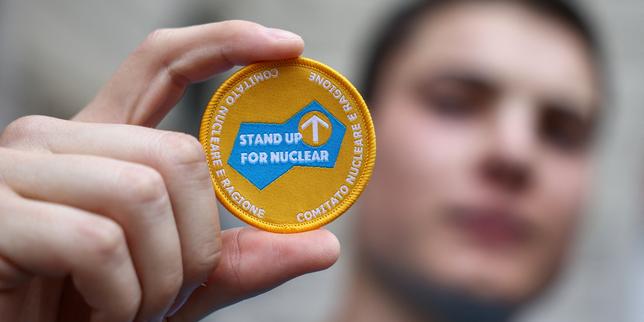
For nearly forty years, Italy has stood as a glaring outlier in Western Europe. While neighbors like France built their energy security around the atom, Italy slammed the door on nuclear power following the 1987 referendum triggered by Chernobyl. A second attempt to revive the sector was crushed by voters after the Fukushima disaster in 2011.
Prime Minister Giorgia Meloni’s government has officially changed that trajectory. The Italian Senate passed landmark legislation laying the legal groundwork for a return to nuclear energy. This isn't just a political pivot or a nostalgic look at past industrial prowess. It's a calculated, urgent response to modern economic realities that you cannot ignore if you care about European competitiveness.
The Real Drivers Behind Italy's Atomic Reversal
Why now? Look at the numbers. Italy remains one of the largest net importers of electricity in Europe, relying heavily on foreign grids—including purchasing nuclear-generated power from France. When geopolitical conflicts rattle natural gas markets, Italian industries suffer from crippling electricity bills.
Meloni’s administration points straight at skyrocketing energy demands. The proliferation of data centers, artificial intelligence infrastructure, and the aggressive push to electrify transport require a massive, steady baseline of power. Intermittent renewables like solar and wind are vital, but they cannot shoulder the entire load alone without massive storage innovations that aren't fully realized yet. As Environment and Energy Security Minister Gilberto Pichetto Fratin noted, nuclear acts as the missing anchor when integrated with green energy sources.
Moving Past Conventional Megaplants
If you picture massive, hulking concrete domes taking a decade and billions of euros to build, think again. The strategy championed by Rome focuses heavily on advanced technologies, specifically Small Modular Reactors (SMRs).
SMRs change the economic math. Instead of constructing bespoke mega-facilities that routinely blow past deadlines and budgets, these next-generation reactors are designed to be factory-built and assembled on-site. Italian industrial heavyweights like Ansaldo Energia and Saipem, alongside partnerships with French nuclear developers, are already positioning themselves to capture market share.
The timeline being floated places the first operational next-generation facilities in the mid-2030s—specifically targeting windows between 2033 and 2035. It's an aggressive schedule given Italy's bureaucratic track record, but the legislative framework is finally in place.
The Obstacles Standing in the Way
Let's be realistic. Passing a bill in the Senate is the easy part. Turning political will into active fission reactors faces steep hurdles.
First, public skepticism runs deep. Environmental organizations and opposition parties are already mobilizing against the initiative. Decades of anti-nuclear sentiment mean that selecting local sites for reactors and nuclear waste storage will trigger fierce local pushback. The government must navigate complex community engagement laws and draft rigorous safety bylaws from scratch.
Second, the capital required is astronomical. Estimates for individual SMR projects run into billions, meaning private sector buy-in is non-negotiable. If private investors get spooked by regulatory delays or political shifts, the entire momentum could stall.
Italy is gambling that economic necessity and the sheer energy demands of the digital age will override historical fears. Whether this gamble pays off depends entirely on how transparently Rome handles safety regulations and local community consent over the next few years.


