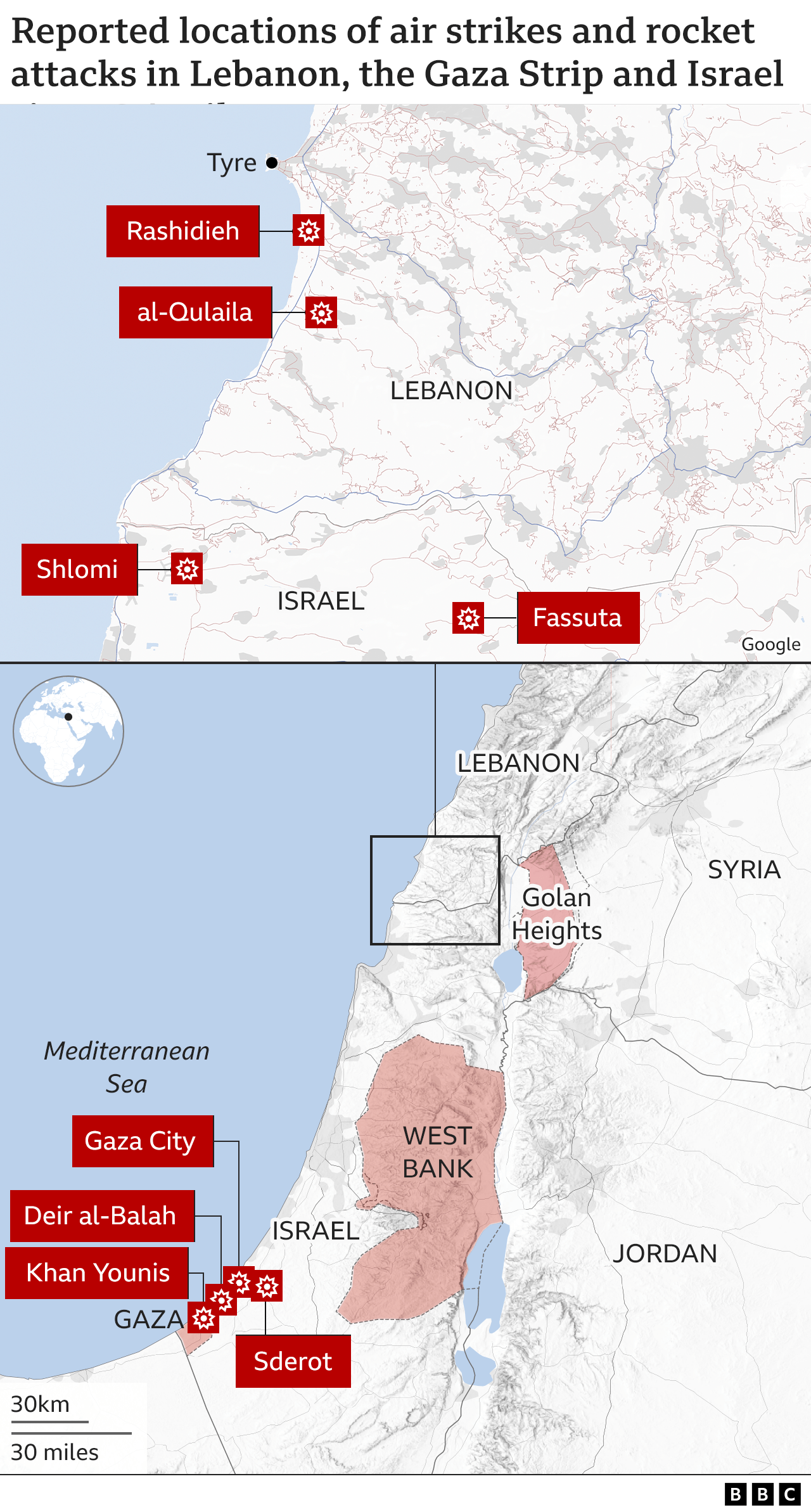
The ground in southern Lebanon is shaking again. Fresh Israeli air strikes have killed at least 11 people, including three children in the town of Ansar, shattering the fragile calm that had held for weeks.
If you look at the headlines, you'll see a familiar pattern. A US-backed agreement was supposed to stop the bleeding. Instead, bombs keep falling. Why?
The answer isn't hidden. It's rooted in conflicting enforcement interpretations, stubborn territorial control, and a high-stakes diplomatic deadlock. Let's break down what's actually driving this sudden surge in violence.
The Trigger: Retaliation and Broken Rules
Every major escalation starts with a spark. In this case, the Israeli military pointed to an attack on its soldiers operating in the security zone near the Ali al-Taher Ridge, which left three troops seriously wounded.
Israel's official stance is straightforward. Prime Minister Benjamin Netanyahu and Defense Minister Israel Katz argue that the rules of the ceasefire allow for hard military responses when troops are targeted. According to the Israel Defense Forces (IDF), the target in Ansar was a central headquarters of Hezbollah's Radwan Force.
Yet, the human cost tells a different story. Striking residential areas and hitting homes where families sleep crosses every line of civilian protection. Lebanon's leadership called the strikes a massacre, pointing out that children and women bear the brunt of these military choices.
Territorial Control and the 7 Percent Factor
Diplomacy rarely moves at the speed of war. Back in June, agreements brought a temporary drop in hostilities. But look closer at the fine print of what stayed on the ground.
Israeli forces never fully left. Defense Minister Israel Katz made it clear that troops control roughly 700 square kilometers of Lebanese territory—about 7 percent of the country. Israel insists troops will stay put until Hezbollah is completely pushed back and disarmed.
Hezbollah views that continued presence as an active occupation and a direct violation of sovereignty. When foreign troops occupy patches of your borderland, a ceasefire is basically just a pause button on a video game. Skirmishes are guaranteed to happen.
The Political Deadlock
Neither side wants to look weak domestically. Netanyahu faces immense pressure from hardliners to show strength and prevent Hezbollah from rebuilding its offensive network. On the other side, Hezbollah is pushing back hard against what it calls "humiliating" direct negotiations mediated by Washington.
The Lebanese government finds itself caught in the crossfire. President Joseph Aoun and other officials argue that these sudden military spikes are intentional messages designed to bully Beirut ahead of upcoming diplomatic talks.
When trust is zero, every explosion becomes proof that the other side never wanted peace in the first place. Expect more friction, more broken promises, and a border region that remains permanently on edge.