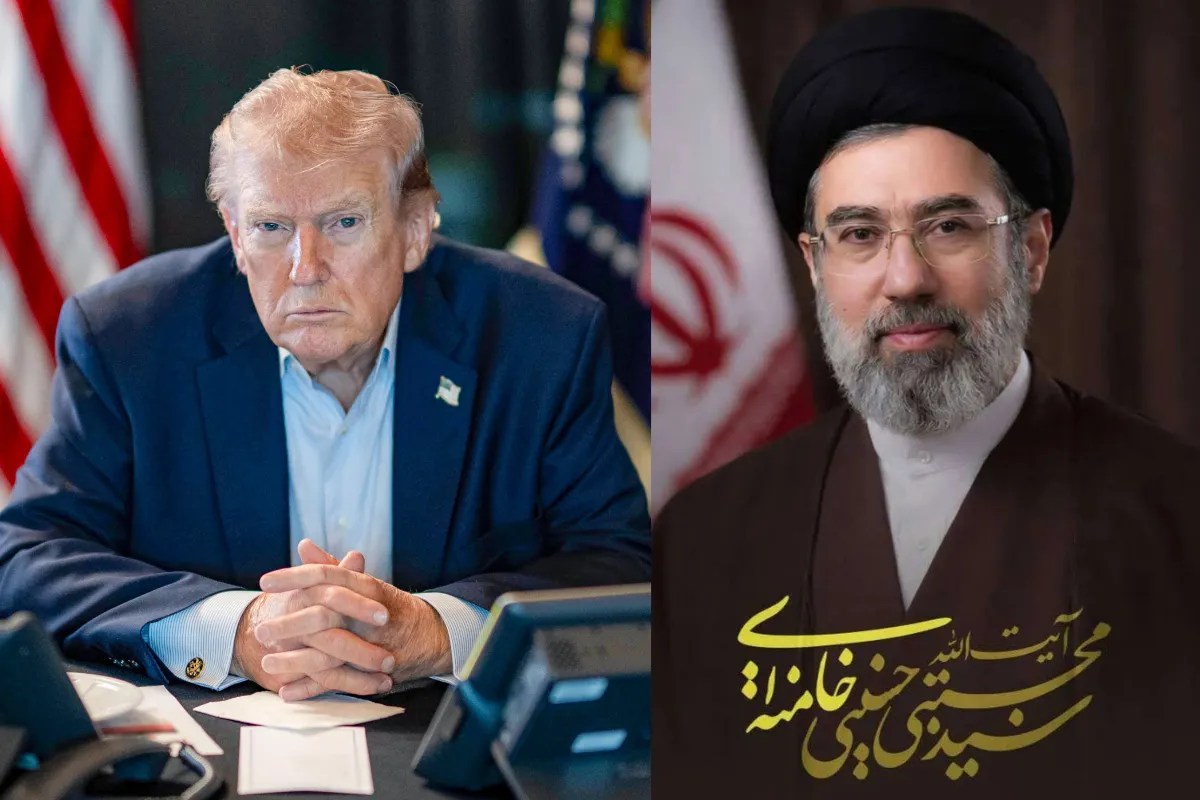
JD Vance spent nearly an entire day glued to his phone, making dozens of calls to Donald Trump while the world watched the Islamabad Talks. It wasn't just a standard briefing. It was a frantic, high-stakes attempt to salvage a diplomatic bridge that was crumbling in real-time. If you're wondering why the Iran-US dialogue hit a brick wall despite months of back-channel signaling, the answer isn't found in a formal communique. It’s found in the power struggle between the current administration's goals and the looming shadow of the next one.
The Islamabad Talks were supposed to be a reset. Instead, they became a masterclass in how domestic politics can paralyze international diplomacy.
Behind the 21 Hours of Phone Calls
The timeline is wild. Over a 21-hour window, JD Vance reportedly dialed Trump dozens of times. That's not a "check-in." That's a crisis response. When a Vice Presidential candidate is that deeply involved in a diplomatic negotiation happening on the other side of the planet, it tells you everything you need to know about who is actually holding the cards.
The Iranian delegation wasn't just looking at the people across the table in Islamabad. They were looking at the polls in the United States. They knew that any deal struck with the current leadership might not survive a change in the Oval Office. Vance’s constant communication with Trump served as a loud, clear signal to everyone in the room: the future of American foreign policy is being decided in Mar-a-Lago, not just in the State Department.
Why the Iran-US Dialogue Actually Collapsed
Negotiations don't fail because people get tired of talking. They fail because of a lack of "enforcement trust."
- The Ghost of the JCPOA: Tehran remains stung by the 2018 withdrawal from the nuclear deal. They wanted guarantees that a new agreement wouldn't be shredded in 2027. Washington couldn't give them those guarantees.
- The Vance Factor: Having JD Vance actively consulting Trump during the talks created a "two-government" problem. Iran felt they were negotiating with a ghost. Why sign a paper today if the guy on the other end of Vance's phone might cancel it tomorrow?
- Regional Red Lines: Israel and Saudi Arabia weren't in the room, but their influence was everywhere. Any concession the US offered to Iran triggered immediate pushback from traditional Middle Eastern allies, leaving the American negotiators with zero room to maneuver.
The Role of Pakistan as a Facilitator
Islamabad took a massive risk hosting these talks. Pakistan has been trying to balance its relationship with China, its dependency on US aid, and its shared border with Iran. By providing the venue, they hoped to position themselves as the ultimate regional mediator.
But the reality is that a venue can't fix a broken premise. Pakistan provided the table and the chairs, but the US and Iran brought too much historical baggage to sit down for long. The Pakistani officials I've spoken with—off the record, of course—were frustrated. They saw a genuine window for de-escalation that was slammed shut by the sheer volatility of American election-year politics.
Strategic Ambiguity vs Direct Communication
JD Vance’s role here is fascinating from a tactical perspective. Usually, a candidate stays on the sidelines to avoid violating the Logan Act. But Vance didn't play by the old rules. By staying in constant contact with Trump, he effectively ran a shadow foreign policy.
It’s a bold move. It’s also incredibly disruptive. For the Iranian negotiators, this was confusing. They’re used to rigid hierarchies. Seeing a VP candidate basically act as a real-time tether to a former (and potential future) president made the formal US delegation look weak. It basically signaled that the people at the table didn't have the final say.
What Happens Next for US Iran Relations
Don't expect another sit-down anytime soon. The Islamabad Talks were a "temperature check" that revealed a fever.
The immediate fallout will likely be an increase in regional proxy tensions. When diplomacy fails, the "hardliners" on both sides gain leverage. In Tehran, those who argued that the US is an unreliable partner just got a massive "I told you so." In Washington, the hawks will use the collapse of the talks to push for even stricter sanctions.
If you’re tracking this, watch the oil markets and the Strait of Hormuz. Those are the real barometers of how bad things are getting. The 21 hours of calls between Vance and Trump weren't just about a failed meeting—they were the opening bell for a much more aggressive era of American engagement.
The next step isn't more talk. It’s a period of strategic positioning where both sides try to build enough leverage to force the other back to the table on their own terms. Watch for increased naval presence in the Gulf and more aggressive rhetoric from the campaign trail. The Islamabad chapter is closed, but the book is far from finished. Keep an eye on the transition teams; they’re the ones actually drafting the next move.