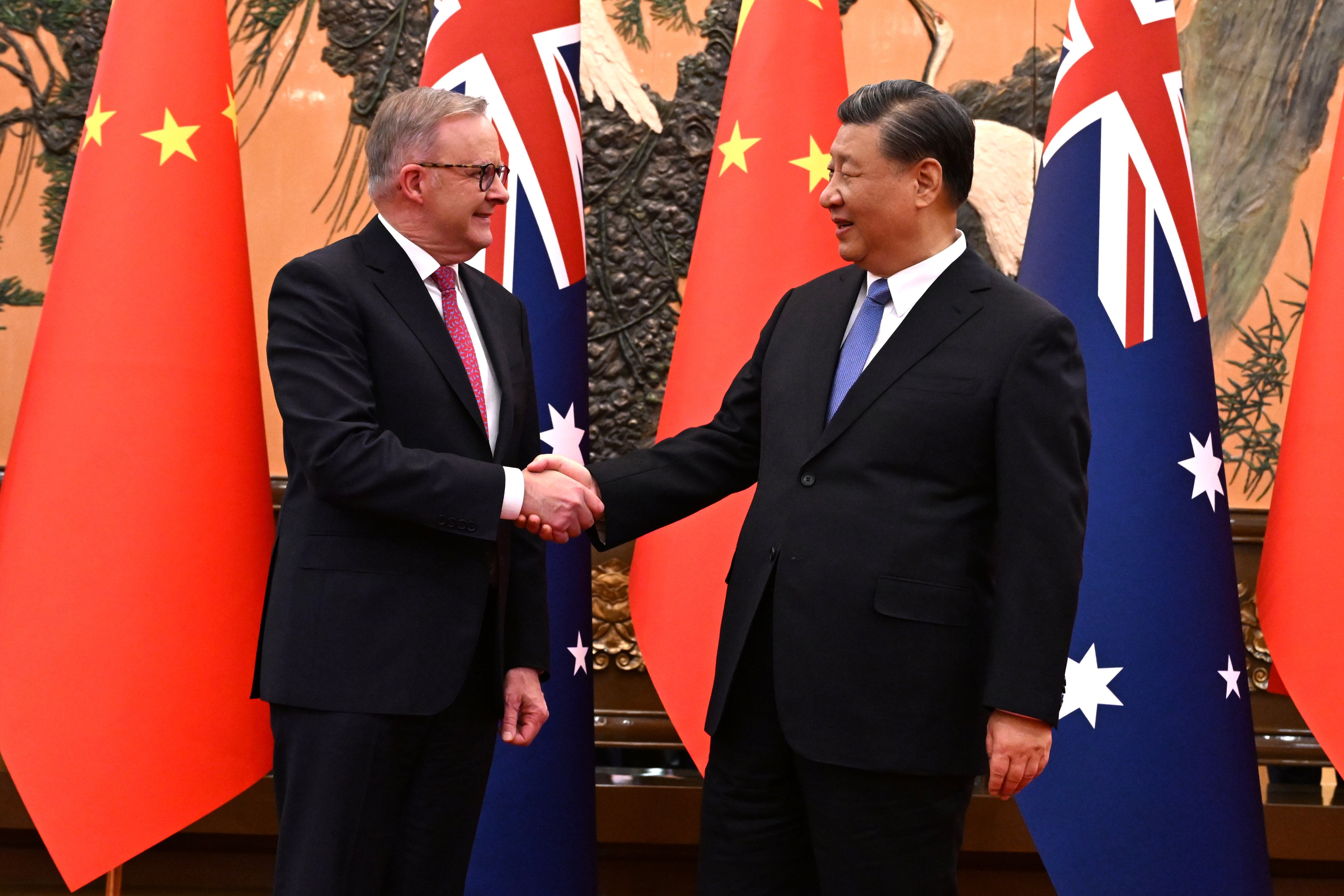
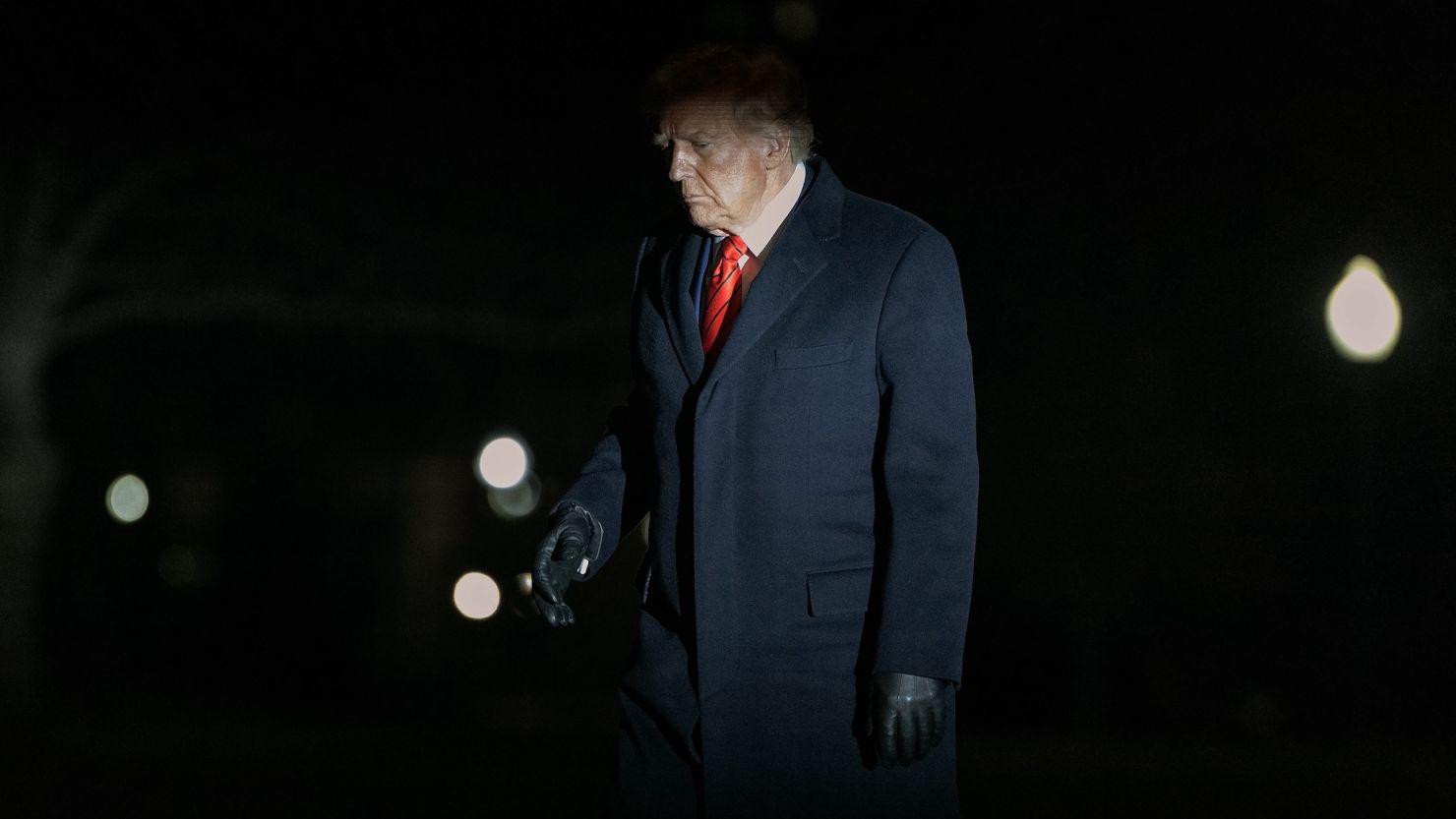
The marathon 21-hour session in Islamabad just ended, and the news isn't good. Vice President J.D. Vance walked out of the negotiations today, April 12, 2026, confirming that the U.S. and Iran couldn't reach a deal to end the six-week war. If you were hoping for a quick ceasefire or a breakthrough on the Strait of Hormuz, you’re out of luck. The "final and best offer" from the Trump administration was left on the table, rejected by a Tehran delegation that refuses to budge on its nuclear sovereignty.
I've watched these diplomatic cycles for years, and this feels different. We aren't just talking about a stalled treaty anymore. We're talking about a failed attempt to stop an active, high-intensity conflict that’s already claimed over 3,300 lives in Iran and dozens of U.S. service members. The stakes in 2026 aren't theoretical. They’re measured in barrels of oil and ballistic missile trajectories.
The Islamabad Collapse Explained
The talks didn't fail because of a lack of effort. They failed because the gap between Washington’s "red lines" and Tehran’s "forward-looking initiatives" has become a canyon. Vice President Vance was blunt: the U.S. demands an affirmative, verifiable commitment that Iran won't seek nuclear weapons or the tools to build them. Iran, meanwhile, sees its nuclear program as its only remaining leverage after 40 days of "Operation Epic Fury."
Here’s the reality of what went down in Pakistan:
- The Nuclear Stumbling Block: The U.S. wants a total shutdown of enrichment. Iran views this as a surrender of national rights, especially after their leadership, including the late Supreme Leader Ali Khamenei, was targeted earlier this year.
- The Strait of Hormuz Standpoint: This is the world’s biggest chokepoint. Iran has effectively blocked it, and the U.S. is currently "clearing out" mines. Tehran wanted control; Washington demanded it stay open under international (read: U.S.-monitored) supervision.
- The Trust Deficit: Iranian Parliament Speaker Mohammad Bagher Qalibaf basically said they don't trust the U.S. to follow through on sanctions relief. Given the history of the JCPOA and the current administration’s aggressive posture, it's hard to argue they’d see it any other way.
Why a Deal Was Never Likely
Honestly, the timing was always against this. You don't usually get a clean peace deal while the Pentagon is actively setting conditions to clear mines in the Strait of Hormuz. President Trump’s recent Truth Social posts during the negotiations—threatening China with 50% tariffs if they help Iran—didn't exactly create a "peace summit" vibe. It felt more like an ultimatum.
The U.S. delegation, which included Jared Kushner and Steve Witkoff, tried to use a mix of "maximum pressure" and a "way out," but the Iranian side is playing a survival game. When a regime feels its existence is threatened, it doesn't usually sign away its biggest deterrent.
The Economic Shrapnel
If you're wondering why your gas prices are spiking, look no further than the Persian Gulf. A fifth of the world’s oil used to flow through the Strait. Now, that flow is a trickle. The failure of these talks means the "war risk premium" on oil isn't going away.
China is the wild card here. They’ve been buying Iranian oil for years, and Trump’s threat of "staggering" tariffs on Beijing shows the U.S. is ready to turn this regional war into a global trade war. We’re seeing a shift where the U.S. is pulling military assets from the Asia-Pacific to deal with Iran, which is exactly what Beijing wants. It’s a strategic distraction that could have massive consequences for Taiwan and the South China Sea.
What Real Escalation Looks Like
So, where do we go from here? The " Islamabad Talks" were the last exit before a much longer, uglier road. Without a ceasefire, the U.S. and Israel will likely continue degrading Iranian military infrastructure. Iran will likely continue its "asymmetric" responses—targeting U.S. bases in the region and shipping in the Gulf.
The human cost is already staggering. State media in Tehran reports over 3,000 killed. On the U.S. side, 13 service members have been killed and 140 wounded. This isn't a "limited strike" scenario anymore; it's a grinding conflict with no clear endgame.
Immediate Next Steps for the Region
- Hormuz Blockade: Expect the U.S. Navy to intensify mine-clearing operations. Trump has already ordered the blockade to be broken, which means direct naval confrontations are almost certain in the coming days.
- Increased Sanctions on Third Parties: The U.S. will likely move beyond just sanctioning Iran and start hammering countries like China that provide a financial or military lifeline to Tehran.
- Regional Realignment: Watch the Gulf States. Saudi Arabia and the UAE are caught in the middle. They want the Iranian threat gone, but they don't want their own oil facilities turned into target practice for Iranian drones.
The talks are over, and the diplomats are heading home. The "final offer" is gathering dust on a table in Islamabad. Now, the talking is done, and the next phase of this conflict will be decided by the generals, not the negotiators. Keep an eye on the Strait of Hormuz over the next 48 hours. That's where the real answer lies.