The world is holding its breath for Friday, April 10, but don't bet the house on a handshake just yet. After weeks of high-octane hostilities and a war that many feared would swallow the Middle East whole, the U.S. and Iran are finally heading to the same room in Islamabad. It's a massive diplomatic gamble. President Trump has agreed to a two-week ceasefire, but the logistics of this summit are already looking like a nightmare.
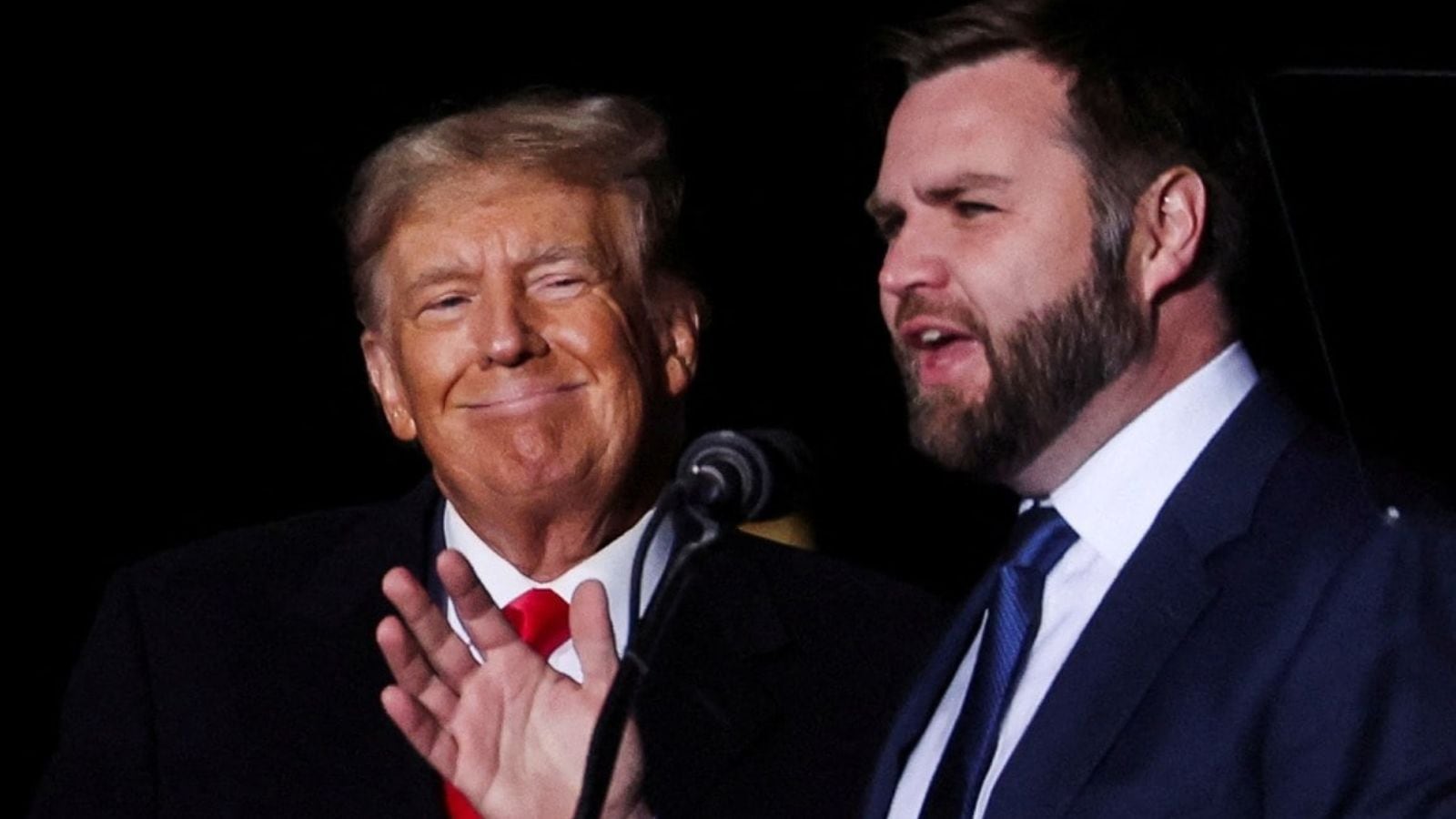
One minute, the White House says Vice President JD Vance will lead the charge. The next, Trump is on Truth Social or talking to the New York Post, casting doubt on the whole thing because of "safety and security" concerns. It's classic Trump—keep them guessing.
The JD Vance factor and the security shuffle
Trump’s latest comments suggest a last-minute bait-and-switch might be coming. He’s floating names like Steve Witkoff and Jared Kushner for the Islamabad trip, while leaving Vance’s attendance up in the air. This isn't just about security; it's about the internal optics of the administration. Vance, a veteran who’s been vocal about his skepticism of "forever wars," is the guy Tehran actually wants to talk to.
The Iranians have already signaled they aren't interested in sitting down with Witkoff or Kushner. They see them as too closely tied to the "maximum pressure" of the past. If Vance skips the meet, the talks could be dead on arrival. Pakistan’s Prime Minister Shehbaz Sharif and Field Marshal Asim Munir have spent weeks pulling strings to get both sides to the table. If the U.S. sends a "B-team" delegation, it’s a slap in the face to the mediators.
Why Islamabad became the world's most important city
You might wonder why we're talking peace in Pakistan and not a neutral European hub like Geneva. It's simple: Iran doesn't trust the West, and the U.S. needs a broker that has skin in the game. Pakistan shares a 900-kilometer border with Iran and has a strategic defense pact with Saudi Arabia. They're the only ones who can talk to both the mullahs and the MAGA crowd without getting ghosted.
Pakistan is also desperate. The war has triggered a massive energy crisis and domestic protests. They've had to implement four-day workweeks just to keep the lights on. For Islamabad, these talks aren't just about global peace—they're about keeping their own economy from imploding.
The 10-point proposal on the table
The basis for Friday's meeting is a 10-point plan Iran submitted through Pakistani channels. Trump called it "workable," which is huge coming from him, but let’s look at what’s actually in it:
- A protocol for safe passage through the Strait of Hormuz.
- Full sanctions relief (the big sticking point).
- An end to hostilities in Lebanon and Iraq.
- Reconstruction payments for war damage.
Pentagon officials, like Defense Secretary Pete Hegseth, are painting this as a win, claiming Iran "begged" for the ceasefire. But Tehran’s Supreme National Security Council isn't acting like a defeated party. They’ve stated they are entering these talks with "complete distrust."
The Lebanon loophole that could break everything
Here’s the part no one is talking about enough: the ceasefire is incredibly fragile. Israel has already bombed over 100 targets in Lebanon since the "truce" began, claiming Hezbollah isn't part of the deal. Netanyahu was blunt about it, and Trump backed him up, calling the Lebanon conflict a "separate skirmish."
Iran doesn't see it that way. They’ve already threatened to re-block the Strait of Hormuz if the strikes in Lebanon continue. You can't have a "peace summit" in Islamabad while bombs are still dropping in Beirut. If the U.S. can't lean on Israel to pause the Lebanon front, the Islamabad Accord will be a footnote in history before the first session even ends.
What you should watch for on Friday
If you're tracking this, don't look for a signed treaty. Look for these three things instead:
- Who actually gets off the plane? If it’s just Kushner and Witkoff, the talks are a photo op. If Vance is there, they’re serious.
- The Strait of Hormuz status. If ships start moving without Iranian "tolls," the ceasefire is holding. If not, expect oil prices to spike again by Monday.
- The "Grand Bargain" chatter. Watch if the U.S. mentions a "joint venture" for the Strait. Trump has hinted at this weird co-management idea. It sounds crazy, but in this administration, the crazy stuff is usually the policy.
The reality is that both sides are exhausted. Trump wants to claim he ended a war he technically started, and Iran needs to stop the bleeding. But with "complete distrust" in the room and Vance potentially staying home, the Islamabad talks are on a razor's edge.
Don't expect a miracle. Expect a lot of shouting and maybe, if we're lucky, an agreement to keep talking for another two weeks. That's what passes for a win in 2026. Keep an eye on the official White House briefings and the Pakistani Foreign Office updates on Friday morning—they'll tell you within the first hour if this is a breakthrough or a bust.