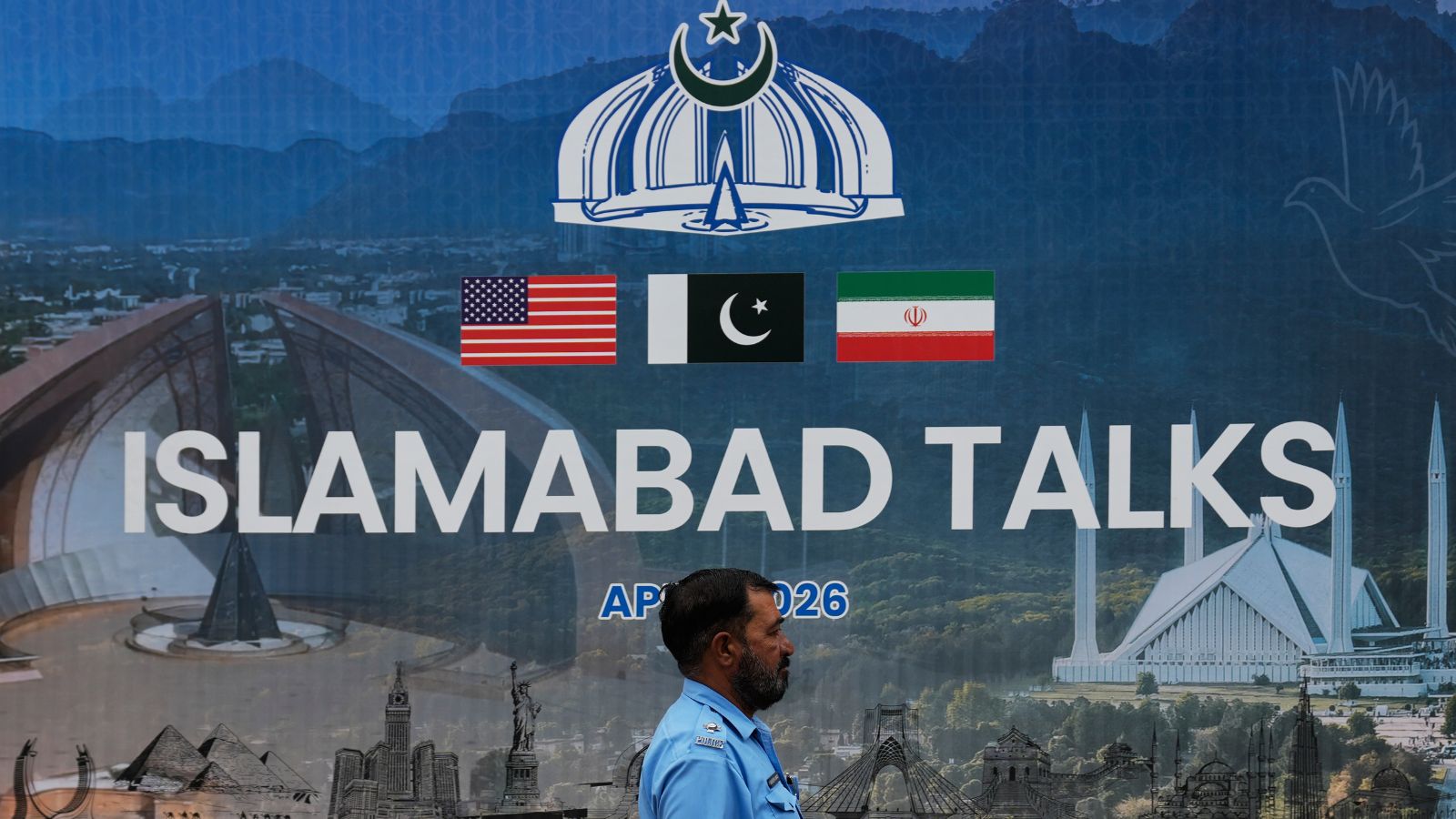
The second act of the highest-stakes diplomatic drama in half a century is set to begin on April 20 in Islamabad. Negotiators from Washington and Tehran are converging on the Pakistani capital for a second round of face-to-face talks, following a marathon 21-hour session earlier this month that ended in a stalemate. The core objective remains the same: a permanent end to the 2026 Gulf War, the reopening of the Strait of Hormuz, and a resolution to the nuclear question that has pushed the world to the brink of a systemic energy collapse.
While the public narrative focuses on the "80 percent" of progress cited by Pakistani Foreign Minister Ishaq Dar, the remaining 20 percent contains the explosive reality of two regimes with fundamentally incompatible versions of victory. The first round failed because it attempted to solve forty years of animosity in a single weekend. This upcoming session is less about a grand bargain and more about preventing the total disintegration of the current ceasefire. You might also find this similar coverage useful: The Mechanics of Transnational State-Sponsored Hostility Against Jewish Targets.
The Architect in the Middle
Pakistan’s emergence as the indispensable mediator is not a coincidence of geography; it is a desperate act of self-preservation. Sharing a 900-kilometer border with Iran and maintaining a "Strategic Mutual Defence Agreement" with Saudi Arabia, Islamabad is walking a razor-thin line. The 2026 war has already forced the Pakistani government to implement a four-day workweek and shut down schools to conserve fuel as oil imports from the Gulf dried up.
Prime Minister Shehbaz Sharif and Field Marshal Asim Munir have positioned Pakistan as the only bridge left. They leveraged President Trump’s favorable view of Islamabad—born from the resolution of the 2025 India-Pakistan conflict—to convince the White House that a backchannel was more effective than a total blockade. However, the Pakistani "peace plan" is essentially a gamble that both sides are more afraid of a protracted war of attrition than they are of making concessions. As reported in detailed articles by The Washington Post, the results are widespread.
The Nuclear Poison Pill
The primary friction point remains the disposition of Iran's enriched uranium. President Trump has signaled a desire for Iran to "hand over" its stockpile, a demand that Iranian Foreign Ministry spokesman Esmaeil Baghaei recently called a non-starter. Tehran’s negotiators, led by Parliament Speaker Mohammad Bagher Ghalibaf, view their remaining nuclear infrastructure as their only leverage against a US administration that has already demonstrated its willingness to conduct "preemptive destruction" strikes.
Iran’s strategy has shifted toward offering economic "carrots" to bypass the nuclear deadlock. They have proposed opening their oil, gas, and mineral sectors to American companies. This is a direct appeal to the transactional nature of the current US administration. By suggesting that American firms could replace Chinese or European interests in Iranian energy fields, Tehran is attempting to turn a security crisis into a business opportunity. It is a shrewd move, but one that Secretary of State Marco Rubio and Vice President JD Vance have so far met with skepticism, demanding verifiable nuclear dismantling before a single sanction is lifted.
The Hormuz Factor and the Blockade
The Strait of Hormuz is the world's jugular, and right now, it is being squeezed from both sides. While Iranian Foreign Minister Abbas Araghchi has promised to keep the waterway open during the truce, the US Navy continues to maintain a blockade on Iranian ports. This creates a volatile "mutually assured devastation" scenario. If the April 20 talks fail to produce a credible roadmap for a permanent settlement, the risk is not just a return to localized skirmishes, but a full-scale naval confrontation that could permanently damage the global economy.
The US delegation, nearly 300 members strong, is arriving with a mandate to secure what they call a "complete" victory. But in the ruins of a conflict that saw the assassination of Supreme Leader Ali Khamenei in February and subsequent regional instability, the definition of victory is shifting. The Iranian side is playing for time, hoping to outlast the blockade, while the US is pushing for a total capitulation that Tehran’s surviving leadership cannot sign without committing political suicide.
Why This Round is Different
Round two in Islamabad will strip away the diplomatic niceties of the first encounter. The "Islamabad Peace Talks" on April 11-12 were a proof of concept—they proved that the two sides could sit in the same room without reaching for their holsters. The April 20 session is the stress test. If no Memorandum of Understanding is signed by the end of next week, the ceasefire, currently held together by Pakistani shuttle diplomacy and a mutual exhaustion, will likely fracture.
There is no middle ground on the uranium stockpile. Either it stays in Iran under "token enrichment" protocols—a possibility US negotiators have reportedly toyed with—or it leaves. Washington wants a surrender disguised as a treaty; Tehran wants a business deal disguised as a truce. The distance between those two points is measured in more than just miles; it is measured in the survival of two vastly different political orders.
The talks beginning on Monday are not just a diplomatic exercise. They are the final exit ramp before the conflict scales into a war that neither side can truly finish. Islamabad has provided the table and the chairs, but the two protagonists are still holding their breath, waiting to see who blinks first.