The coffee in the glass cup was already cold, skimmed with a thin, bitter skin that no one bothered to stir. Outside the high-security delegation room, the Moscow rain beat a monotonous rhythm against armored glass, blurring the skyline where gray concrete towers dissolved into a low, bruised sky. Inside, the silence was heavy with the weight of decades.
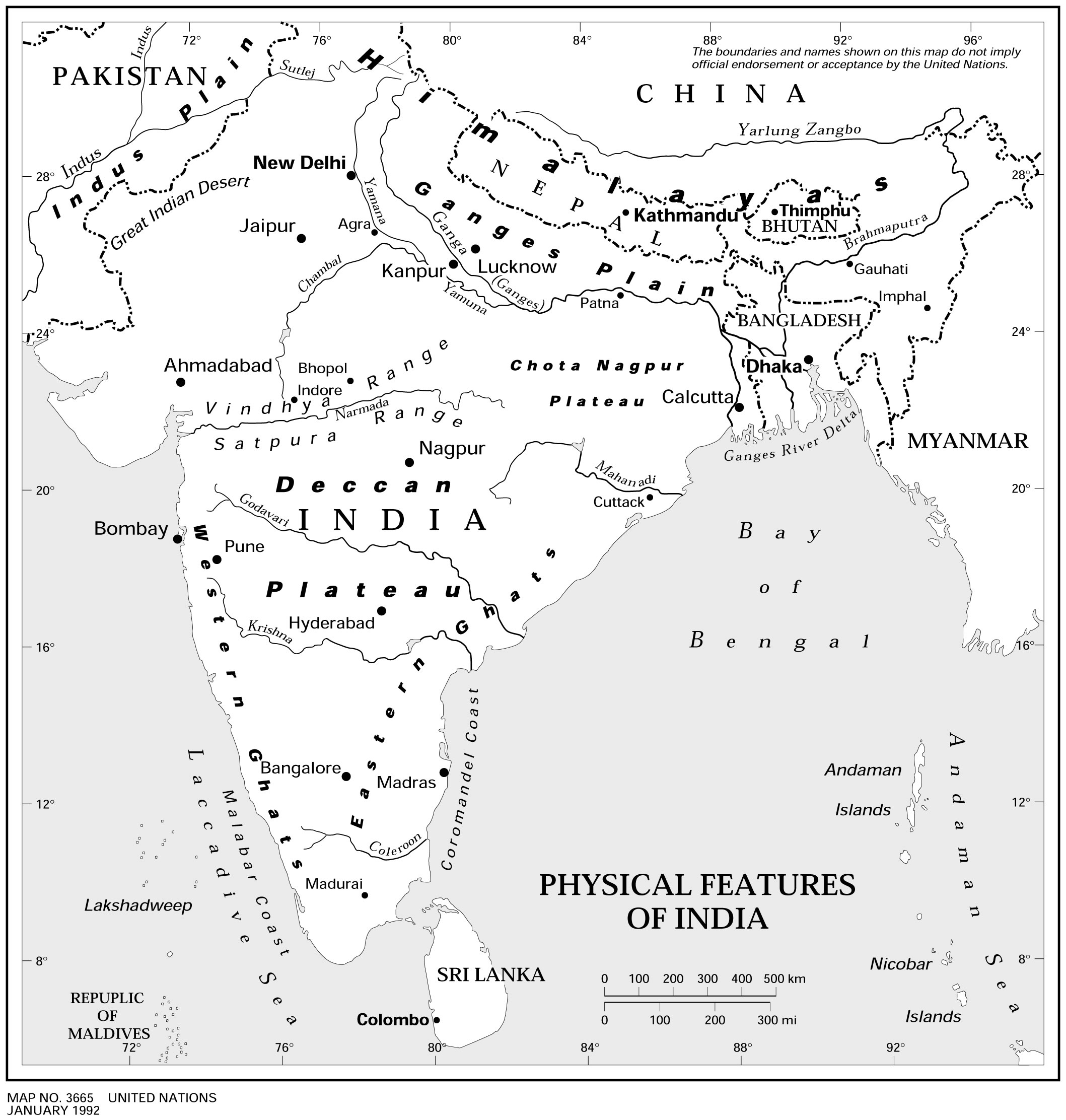
A high-ranking Indian defense procurement official, his tie loosened just a fraction against the suffocating central heating, stared across a polished mahogany table at a stack of dossiers. Beside him sat a military attaché whose fingers traced the edge of a leather-bound notebook, feeling the distinct indentation of years of hard-fought strategic agreements. They were thousands of miles from the dusty plains of Rajasthan and the jagged, freezing ridges of the Ladakh frontier. Yet, those distant horizons were the only things occupying the room. For an alternative perspective, see: this related article.
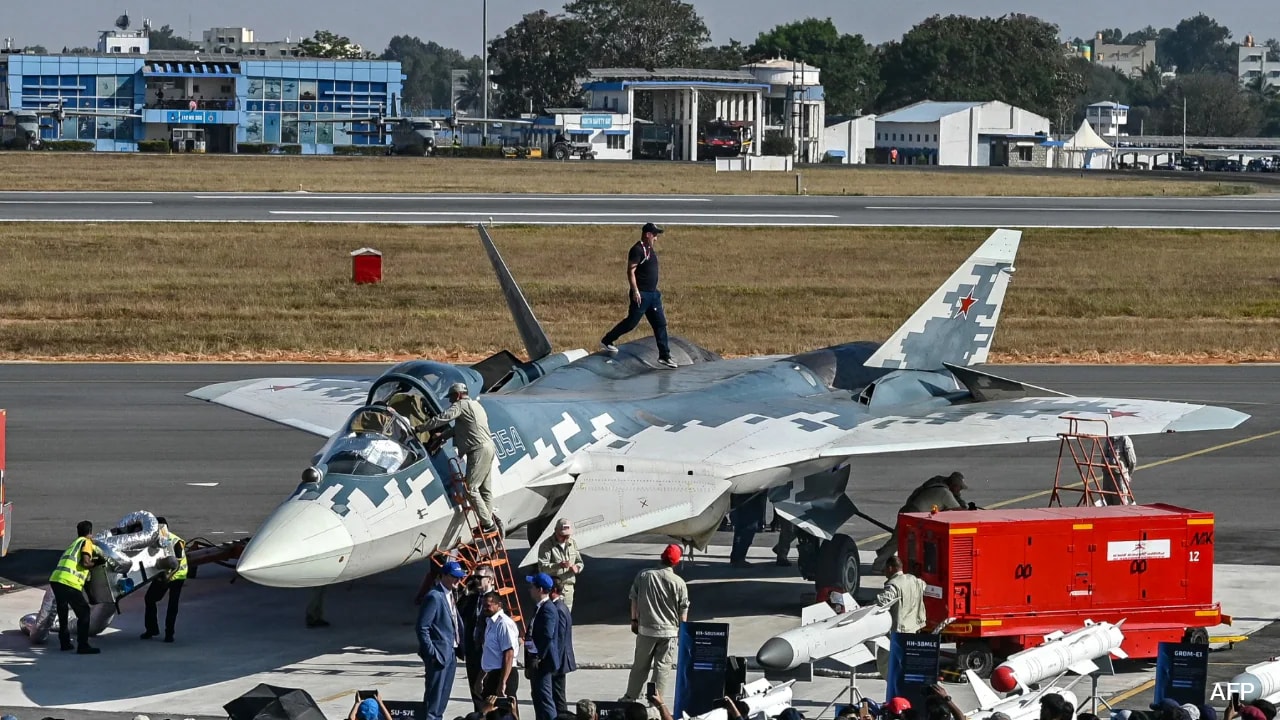
Across from them, Russian counterparts spoke in low, measured tones. The language was diplomatic, polished, and stripped of urgency, masking the frantic, underlying reality of a defense industry pressed to its absolute limits by global conflict. On the table lay an ambitious, high-stakes pitch. It was not merely an offer to sell hardware. It was an invitation to bind two nations closer together through the supply of cutting-edge military dominance: the S-500 air defense system and the Su-57 stealth fighter.
We often talk about geopolitics as if it were a game of chess played by gods who feel no cold, no fear, and no exhaustion. We look at maps with neat colored lines and think billions of dollars move because of spreadsheets and dry policy briefs. Similar coverage on the subject has been provided by NBC News.
They do not. They move because of men like that attaché, sitting in a chilly Moscow room, wondering if the radar signature of a fifth-generation jet can truly vanish over the Himalayas, or if an anti-ballistic missile battery can pivot fast enough to cover a multi-front nightmare.
Consider what happens next in this high-stakes dance.
India’s defense calculus is a masterclass in tightrope walking. For over half a century, the spine of the nation's military hardware has been forged in Soviet and Russian factories. From the roaring MiG-21s that defined decades of aerial vigilance to the T-90 tanks churning dust in the desert, the mechanical DNA of Indian security speaks Cyrillic. But alliances are not museum pieces. They must breathe. They must adapt to a world where old friends face unprecedented sanctions, and new rivals circle like hawks waiting for a single misstep in supply chains.
When the pitch for the Su-57 and the S-500 lands on the table, it carries a double edge.
On one side lies temptation. The Su-57, Russia's premier multirole stealth fighter, promises radar-evading capabilities and maneuverability that turns physics on its head. Imagine sliding through the stratosphere at supersonic speeds, invisible to ground-based tracking, while electronic warfare pods blind everything watching from below. It is a terrifying, beautiful machine. Paired with the S-500 Prometheus—a system designed to intercept hypersonic missiles, low-Earth orbit satellites, and stealth aircraft at ranges that defy belief—the defensive umbrella becomes nearly impenetrable. For a nation staring down a two-front geopolitical reality flanked by aggressive neighbors, the allure is magnetic.
On the other side lies anxiety.
Sanctions bite. Supply chains fracture. The lingering ghost of delivery delays for previous defense contracts hangs over the delegation room like smoke. If a spare part for a critical interceptor takes eighteen months to clear a tangled web of international blockades, that advanced shield is nothing more than expensive scrap metal when the sirens start wailing. Furthermore, India’s strategic pivot toward domestic manufacturing—the clarion call of Atmanirbhar Bharat—demands technology transfer, not just turnkey purchases. Moscow knows this. New Delhi demands this. The friction between selling a finished weapon and handing over the crown jewels of manufacturing secrets is where modern defense deals go to die, or where they are forged into something entirely new.
Listen to the hum of the air conditioning unit in that room. It is the only sound breaking the concentration of the men holding the pen.
Why now? Why is Moscow pushing these specific, crown-jewel assets into the South Asian orbit with such renewed vigor?
The answer is written in the blood and mud of Eastern Europe. Russia's defense industrial base is running hot, fueled by an insatiable domestic war machine, yet it desperately needs long-term, cash-rich partners who can insulate its economy from Western isolation. India, meanwhile, faces an accelerating modernization timeline that cannot wait for domestic defense labs to invent every wheel from scratch. The timelines do not match. The geopolitical pressures do not pause.
It is a marriage of necessity, scarred by old baggage and fueled by cold, hard pragmatism.
When the Indian delegation finally closes their folders and steps out into the damp Moscow evening, the city is a blur of neon and slate. The deal is not signed. The handshakes are polite, non-committal, and laden with the cautious optimism of veterans who have seen grand promises turn to dust before the ink dries.
Back home, the mountains remain silent and cold. Somewhere in a command bunker overlooking a contested valley, a young radar operator watches green lines sweep across a glowing cathode screen, unaware of the diplomatic machinery turning thousands of miles away to decide what machine will watch the skies above him tomorrow.
The iron handshake across the Urals is still tightening. Whether it holds firm, or slips through fingers greased by shifting global alignments, will define the balance of power across the Asian continent for the next generation.
The rain doesn't care. It simply washes the stones, indifferent to the shifting weight of empires.