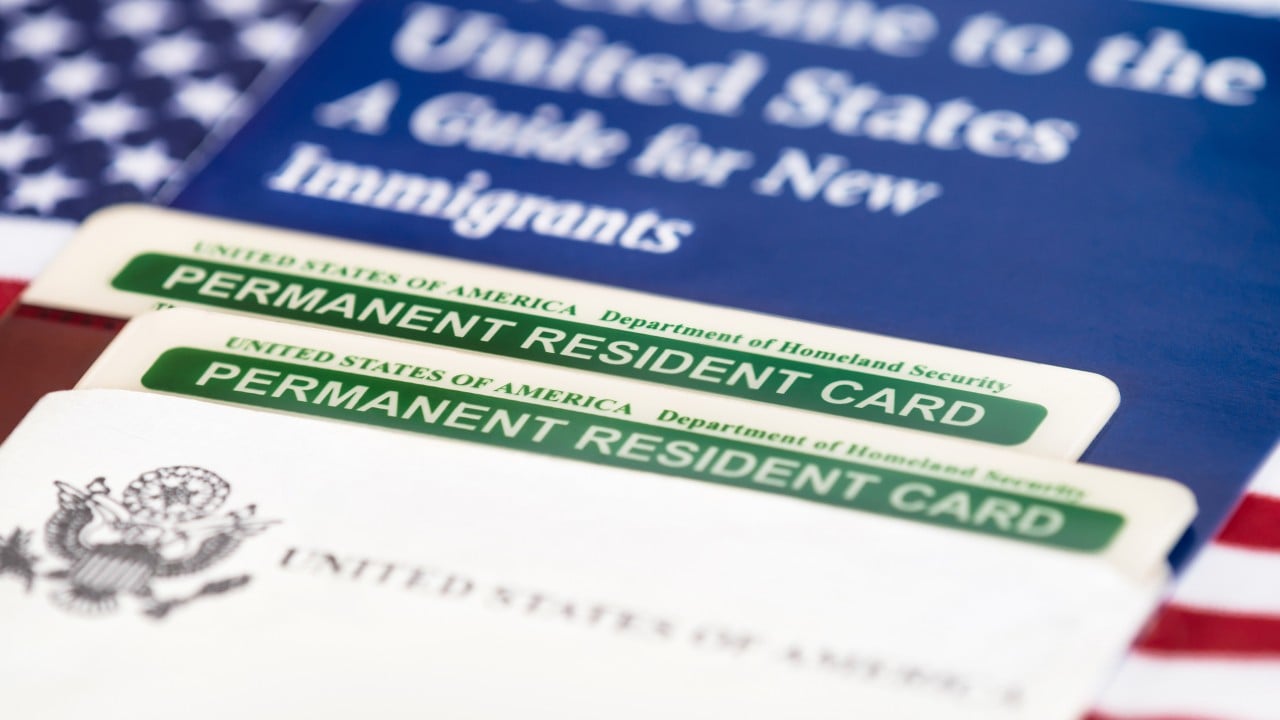
The passport photo sits on a kitchen table in Guangzhou, illuminated by the harsh, flat glare of an overhead fluorescent tube. It is a small piece of heavy stock paper, two inches by two inches, capturing a young woman named Li with her hair pulled back and a neutral expression required by consular guidelines. That photograph has become a physical anchor for a life suspended in mid-air. For months, Li has checked her email at 3:00 AM, waiting for the digital notification that her US visa interview has been rescheduled, or better yet, confirmed. Instead, the portal displays a quiet, unyielding message of indefinite delay. The embassy doors remain functionally closed to her ambitions, her academic admissions, and the quiet rhythm of her carefully planned future.
We talk about geopolitics as if it were a game played entirely by invisible men in dark suits across polished oak tables. We throw around acronyms, trade deficits, and deterrence strategies. But the true weight of statecraft is borne by individuals like Li, staring at a calendar where the ink of upcoming dates has begun to smudge from nervous handling.
Consider the anatomy of a diplomatic freeze. It does not happen overnight. It begins with a rhetorical escalation, a tightened screw in trade policy, a public denunciation at a podium in Geneva or Washington. Then comes the operational shift. Consular services are scaled back. Staffing allocations are quietly rerouted. The machinery of global mobility grinds to a halt not with a dramatic explosion, but with the quiet locking of a heavy glass door.
Across the globe, thousands of applicants find themselves caught in this bureaucratic vacuum. To understand their frustration is to understand the modern architecture of borders. A visa is not merely a travel document. It is a bridge built of paperwork, financial audits, and personal history. When that bridge is pulled up on one side, families stay separated, researchers miss critical symposia, and students watch their tuition deposits sit idle while their academic years tick away without them.
Yet, this is only half of the storm currently brewing across the Pacific. While interview windows narrow into pinpricks of light, another front opens in the corridors of economic warfare.
Sanctions do not arrive with a fanfare. They arrive as blocks of text in official gazettes, freezing assets, barring entry, and severing commercial arteries with the stroke of a pen. When fresh penalties are slammed down over alleged dealings with Iran, the ripple effects do not stay contained within the bilateral ledger between Washington and Tehran. Beijing absorbs the blow, reacts, and retaliates. The machinery of secondary sanctions creates a claustrophobic environment where multinational corporations must choose which half of the global economy they are willing to abandon.
Imagine a shipping container yard in Shenzhen. Row upon towering row of corrugated steel boxes, painted bright red, blue, and green, stretching toward a hazy horizon. Inside those boxes are components for telecommunications, refined chemicals, and consumer electronics destined for ports in Los Angeles, Rotterdam, and Dubai. Every single box represents a bet on stability. Every invoice is written under the assumption that tomorrow will look roughly like yesterday.
When new sanctions drop, those bets turn toxic overnight. Compliance officers become the most powerful people in any corporate boardroom, not because they create value, but because they know how to avoid stepping into an economic landmine. A single wire transfer routed through the wrong correspondent bank can trigger an investigation that paralyzes a supply chain for quarters.
We are living through a profound fragmentation of trust. For three decades, the prevailing narrative was one of inevitable integration. Trade would smooth out political friction. Borders would become porous membranes through which capital, ideas, and human beings would flow with frictionless ease. That was the dream sold to a generation of students and entrepreneurs.
It was a comforting illusion.
Now, the pendulum is swinging violently in the opposite direction. Walls are being rebuilt, not necessarily out of concrete and barbed wire, but out of compliance protocols, visa quotas, restricted entity lists, and cyber-security firewalls. Every restriction breeds a counter-restriction. Every delayed interview in an embassy waiting room is mirrored by a retaliatory sanction in a foreign ministry briefing room.
The human cost of this grand decoupling is rarely tallied in quarterly reports. It is measured in missed birthdays, deferred dreams, and the quiet, corrosive anxiety of people who did everything right according to the rules, only to watch the rules change mid-game.
Li still checks her email. She has not given up on the interview, because giving up means admitting that the last four years of studying English, preparing standardized tests, and saving earnings from an entry-level job were spent chasing a ghost. Her persistence is not naive; it is defiant.
The world stage is noisy with threats and counter-threats. Diplomats trade barbs on television screens while trade ministers draft penalties designed to inflict maximum pain with minimum collateral damage—though the collateral damage is always the primary reality for everyone else.
As the sun sets over the harbor, casting long shadows across the idle shipping cranes and the quiet consular waiting rooms alike, the distance between continents feels greater than it has in a generation. The ink on the passport photo dries completely. The paper remains blank, waiting for a stamp that may take months to arrive, or may never come at all.