The desk in the corner of the room was quiet. Outside, the morning air carried the heavy, unyielding scent of distant smoke and diplomatic tension. We have all stood at that precipice at least once in our lives, the moment right before a door slams shut, when every word feels like a loaded weapon.
Consider what happens next when communication breaks down entirely. Also making news recently: Why Every Doom Prophecy About Israel Missing the Real Threat.
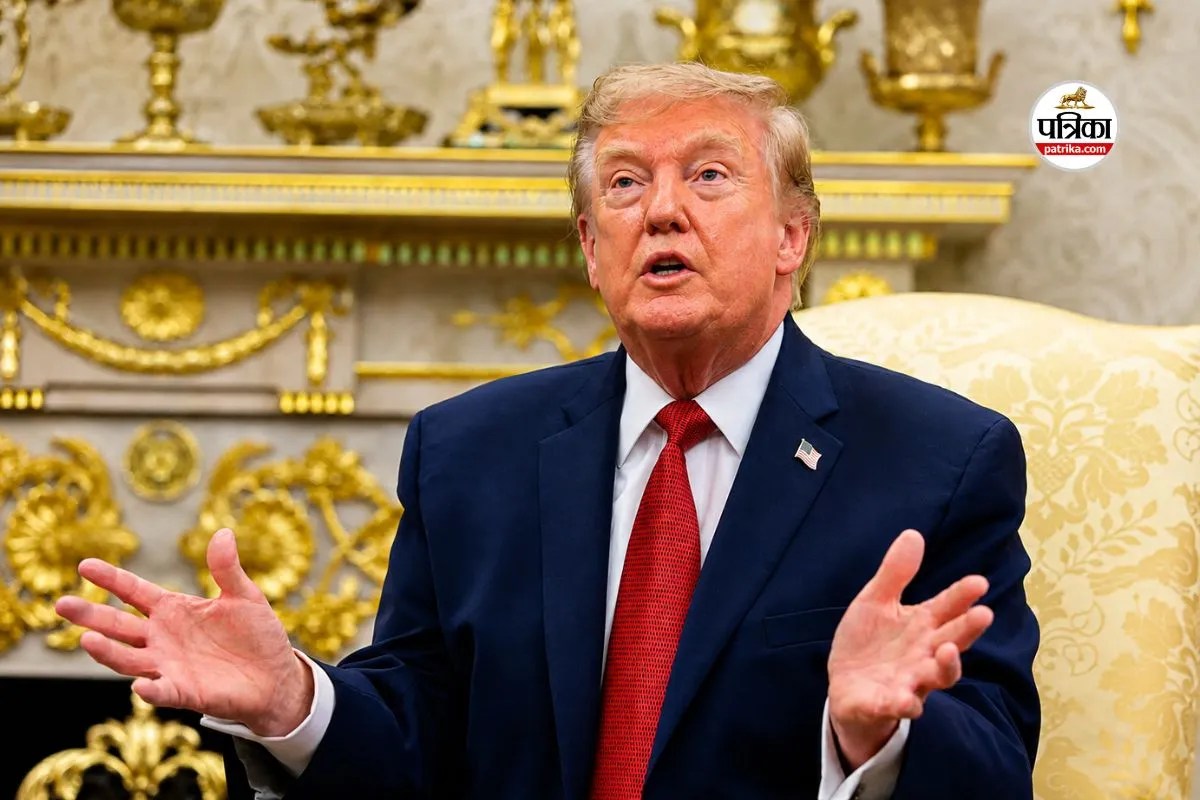
In the high-stakes theater of international relations, words are the only armor remaining before steel meets flesh. But what happens when a leader refuses even to speak? Donald Trump drew a hard line, walking away from dialogue, leaving a vacuum where diplomacy used to live.
Tehran saw it differently. More insights into this topic are detailed by BBC News.
From the marbled halls of power in Iran, officials insisted that the United States had quietly sought an opening, pleading for a conversation behind closed doors. Two opposing truths colliding in the dark. One side projecting absolute refusal; the other whispering about secret overtures.
I remember watching similar crises unfold on grainy television screens years ago, the anchors speaking in hushed, urgent tones, while ordinary families packed emergency bags just in case. The abstraction of geopolitics always boils down to a single kitchen table where someone is crying, wondering if tomorrow will bring peace or sirens.
Distance makes these events feel like fiction. They are not.
When superpowers stop listening to each other, the margin for error shrinks to zero. Every tweet, every official denial, and every leaked claim acts as dry brush waiting for a spark. The irony of modern diplomacy is that nations can be connected by millions of miles of fiber-optic cables yet remain completely deaf to one another.
The silence deafens.
Refusal to talk is rarely just about pride. It is a calculated posture, a message sent to domestic audiences and global adversaries alike. Yet, beneath the posturing lies a terrifying fragility. When leaders refuse to pick up the phone, the world holds its breath, waiting to see whose nerve will break first.
The story of our time is written not just in treaties signed, but in the conversations that never happened.