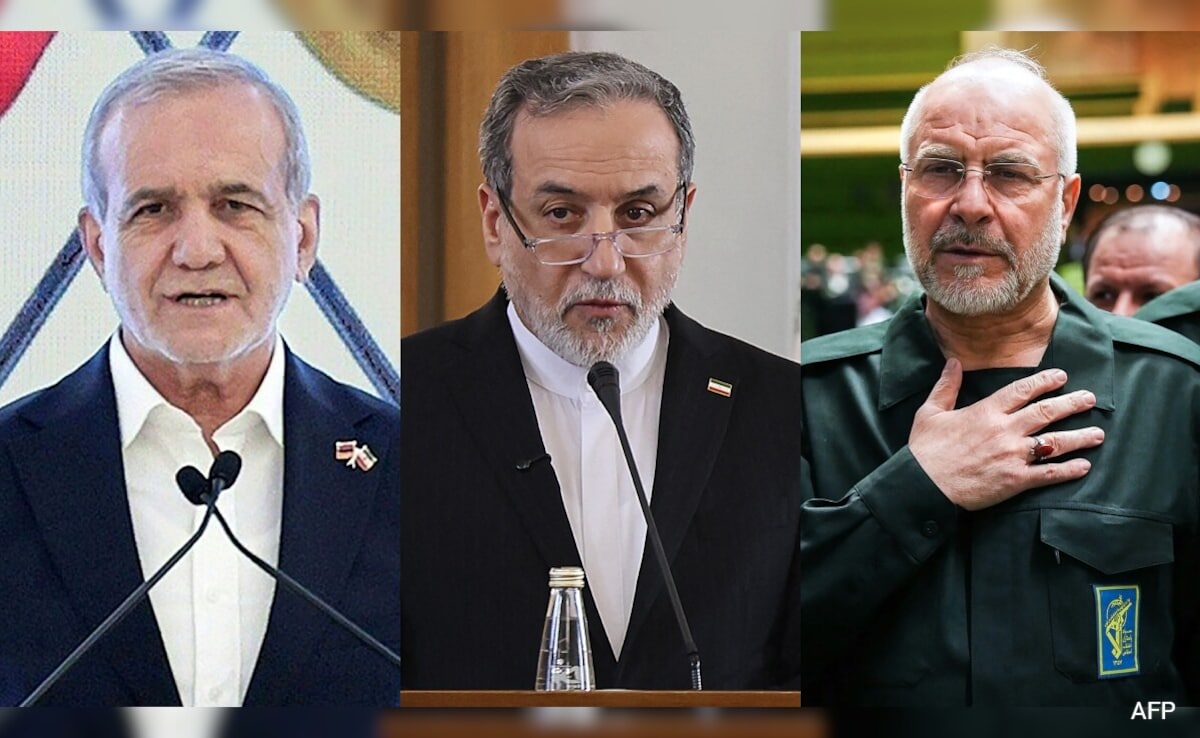
The political landscape in Tehran is shaking again. Reports emerging on May 1, 2026, suggest a massive rift at the top of the Iranian government. President Masoud Pezeshkian is reportedly looking to sack his Foreign Minister, Abbas Araghchi. If you’ve been following Iranian politics, you know this isn't just a minor cabinet reshuffle. It’s a full-blown power struggle over who actually controls the country’s red lines during high-stakes negotiations with the United States.
Honestly, the timing couldn't be worse. Araghchi has been the face of Iran’s recent diplomatic push, including the rocky talks held in Pakistan. But according to insiders, Pezeshkian feels sidelined. The President and Parliament Speaker Mohammad Bagher Ghalibaf are reportedly furious that Araghchi seems to be taking orders from the Revolutionary Guards (IRGC) rather than the elected government.
The IRGC shadow over US talks
The core of the problem is a lack of communication. Sources familiar with the matter told Iran International that Araghchi has been acting more like an aide to IRGC Commander Ahmad Vahidi than a member of the President's cabinet. For a President like Pezeshkian, who campaigned on a platform of "rapprochement" and fixing the economy through diplomacy, this is a direct threat to his authority.
Imagine trying to negotiate a massive deal with Washington while your own Foreign Minister is passing "written messages" to the US through Pakistan without telling you first. That’s exactly what's happening. These messages reportedly lay out strict red lines regarding nuclear issues and the Strait of Hormuz—lines drawn by the IRGC, not the President.
Why this matters for the nuclear deal
- Authority: If the Foreign Minister doesn't report to the President, the President has no leverage.
- Mixed Signals: Washington doesn't know who speaks for Iran—the diplomats or the generals.
- Internal Deadlock: Pezeshkian has reportedly complained about being in a "political deadlock" where he can’t even appoint his own staff.
Pezeshkian is in a tough spot. He knows that if he can't get the IRGC in line, his chances of lifting sanctions are basically zero. The hardliners in the Paydari Party are already calling for his impeachment because they think he’s being too soft. Now, he’s finding out his own top diplomat might be playing for the other team.
A government divided against itself
This isn't just about Araghchi’s personality. It’s about the "wartime situation" Iran finds itself in. Ahmad Vahidi, the IRGC commander, has explicitly declared that because of the current conflict levels, all "sensitive managerial posts" must be run by the Guards. They’ve essentially put the country on a war footing that bypasses the presidency.
Pezeshkian and Ghalibaf are trying to push back. They’re tired of Araghchi making moves in St. Petersburg or Muscat without a single briefing to the executive branch. When Araghchi blames the US for "excessive demands" and then flies off to meet Vladimir Putin, it looks like a coordinated shift toward Moscow that Pezeshkian didn't fully sign off on.
The Pakistani mediation failure
The recent talks in Pakistan were supposed to be a breakthrough. Instead, they failed. Araghchi publicly blamed "incorrect approaches" from the US, but the real failure might have been internal. If the Iranian side can't agree on what they’re willing to trade, they can't close a deal. It's that simple.
What happens if Araghchi goes
Firing a Foreign Minister in the middle of international negotiations is a high-risk move. It signals chaos. But for Pezeshkian, keeping him might be worse. If he keeps an "insubordinate" minister, he proves he's a figurehead with no real power.
You should keep an eye on whether the Supreme Leader, Ayatollah Ali Khamenei, steps in. In Iran, the President proposes, but the Leader disposes. If Khamenei backs Vahidi and the IRGC, Pezeshkian’s threat to sack Araghchi will remain just that—a threat. If the sack happens, expect a hard pivot in how Iran handles the next round of back-channel messages with the US.
The next few days will tell us if Pezeshkian is actually in charge of his own government or if the Revolutionary Guards have finally completed their takeover of Iranian foreign policy. If you’re looking for stability in the Middle East, this internal feud is the biggest red flag on the map right now. Watch for official statements from the President’s office regarding "cabinet harmony"—that’s usually the first sign a firing is imminent.


