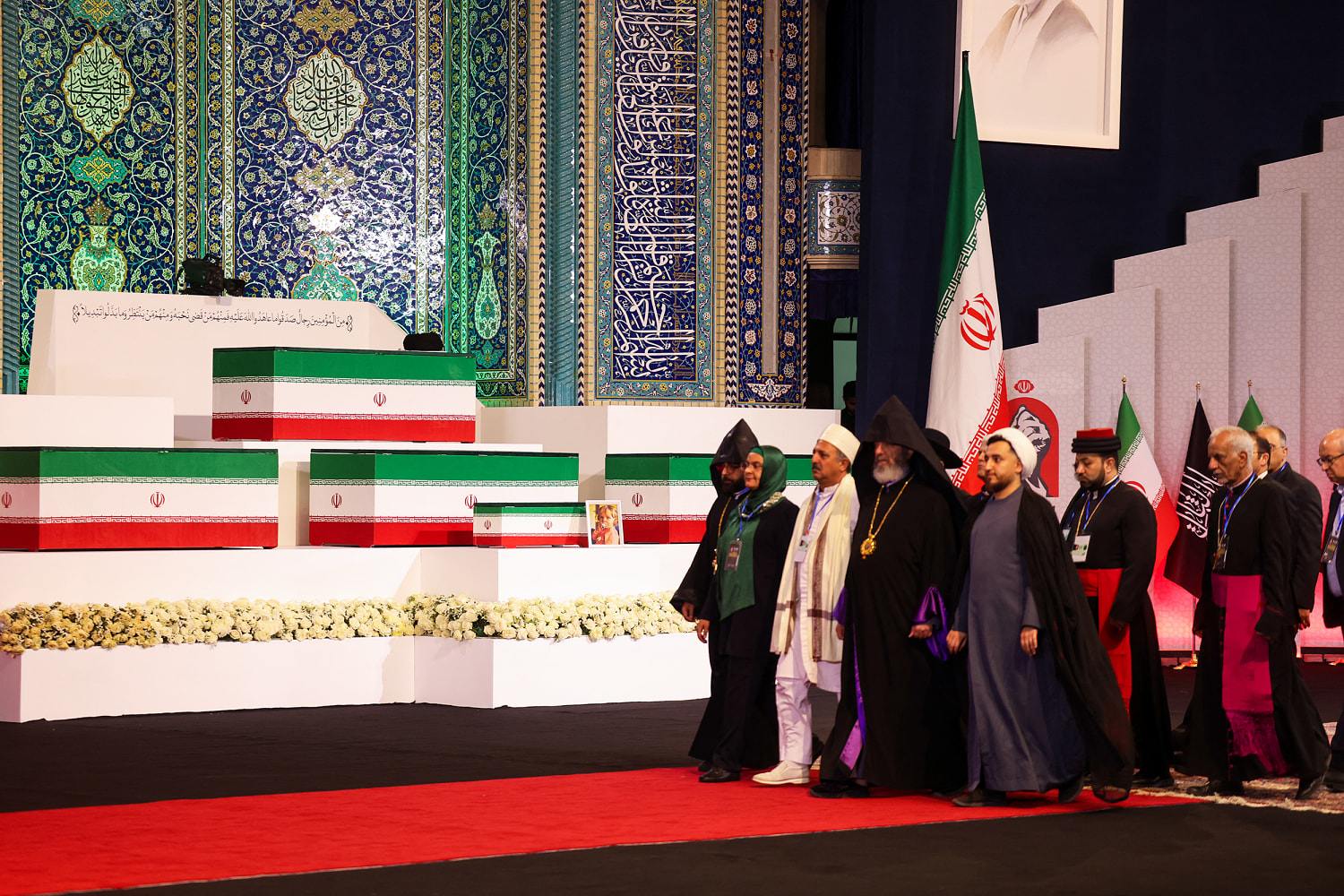
Four months. That is how long the body of Ayatollah Ali Khamenei has waited for a burial. After he was killed alongside several family members in a joint US-Israeli airstrike on February 28, 2026, the subsequent outbreak of the West Asia war made a massive public gathering impossible.
Now, with a fragile ceasefire holding, Tehran is preparing for what officials call the largest state funeral in the history of the Islamic Republic.
The scale of this six-day event is hard to wrap your head around. Tehran Mayor’s office estimates that between 15 and 20 million people will pour into the capital alone, effectively doubling its population. But don't look at this purely as an act of national grief. The regime is deliberately turning this delayed farewell into a massive, highly coordinated display of geopolitical defiance.
The Logistics of a Six Day Spectacle
A funeral of this magnitude requires a staggering amount of coordination, especially for a regime trying to project total control after a highly destructive conflict. The schedule is not just long; it spans two countries and five distinct cities.
The official public rites start on Saturday, July 4, 2026, at the Grand Mosalla complex in Tehran, where Khamenei’s coffin will lie in state alongside his slain relatives. From there, the procession moves through a carefully planned sequence:
- July 4–6: Public viewing and major processions in Tehran.
- July 7: Rites move to the holy city of Qom.
- July 8: The body travels across the border into Iraq for ceremonies in the Shia holy cities of Najaf and Karbala.
- July 9: Final burial in Mashhad, Khamenei’s hometown.
To pull this off, the government has shut down public and private offices in Tehran from Saturday through Monday. The Basij militia and the Islamic Revolutionary Guard Corps (IRGC) have deployed heavily to manage the crowds and enforce strict traffic restrictions that shut down the city center to private vehicles.
Weapons of Deterrence and the Absent Successor
While the streets are being prepped for millions of mourners, the military undercurrent of this event is impossible to ignore. Iran is using the global spotlight to send a direct message to Washington and Tel Aviv. Ali Abdollahi, commander of the Khatam al-Anbiya Central Headquarters, explicitly warned against any "miscalculation" during the week-long ceremonies, promising immediate, harsh retaliation if the funeral is disrupted.
Behind the scenes, the political reality is tense. Mojtaba Khamenei, Ali's son, was quickly named the new Supreme Leader following the February attack. Yet, despite state media flooding the country with posters of Mojtaba walking alongside his late father to project a seamless transition, the new leader is not expected to show up at the funeral.
Why? Security and health. Mojtaba was severely injured in the very same strike that killed his father, his wife, and his 14-month-old daughter. He has yet to make a single public appearance since taking office, relying entirely on written statements. With Israeli Defense Minister Israel Katz declaring just this week that Mojtaba is already "marked for death," the regime cannot risk putting its new, fragile leadership in an open crowd of millions.
Navigating the Geopolitical Guest List
The foreign delegation list tells you everything you need to know about where Iran’s current alliances lie. Delegations from more than 30 countries and religious figures from over 90 nations are arriving in Tehran.
High-profile representatives from Russia, China, Pakistan, and Qatar are attending. India is sending a formal delegation led by Bihar Governor Syed Ata Hasnain and Minister of State for External Affairs Pabitra Margherita, alongside opposition representatives.
Noticeably absent? Anyone from the West. No diplomats from Europe or the United States were invited. Iranian Foreign Ministry spokesperson Esmail Baghaei made it clear that Tehran views European nations as standing on the "wrong side of history" due to their stance during the peak of the war.
What Happens Next on the Ground
If you are tracking the situation in the region, the next 72 hours are critical. The temporary de-escalation agreement in the Strait of Hormuz has paused active hostilities, but the rhetoric is boiling over. Parliament Speaker Mohammad Bagher Ghalibaf has openly used his pre-funeral addresses to demand that the crowds channel their grief into a unified call for vengeance.
For observers, watch these specific indicators over the coming days:
- The Strait of Hormuz Transits: Iran's military has warned international shipping lines not to use maritime routes unless explicitly cleared by Tehran during the mourning period. Any deviation here could break the fragile ceasefire.
- The Iraq Leg of the Procession: Moving the body through Najaf and Karbala is a massive security risk. Watch how Iraqi security forces coordinate with the IRGC to manage the millions of Iraqi Shia expected to join.
- The Nuclear Rhetoric: Hardline factions inside Iran are already using the funeral's emotional weight to push for a formal re-examination of the country's fatwa against building nuclear weapons. Listen closely to the speeches given by IRGC commanders at the Grand Mosalla for signs of a permanent shift in defense policy.


