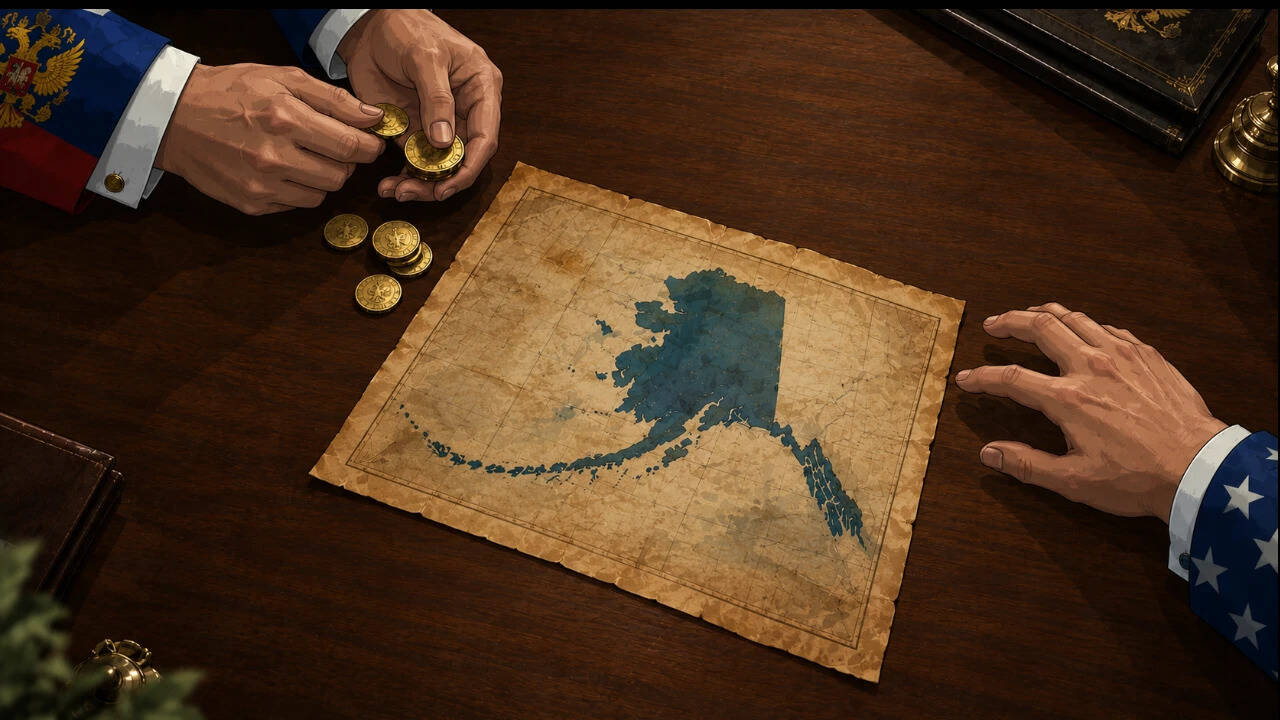
Diplomats in Washington and Tehran are not failing at negotiations. They are succeeding at the exact game they actually came to play.
Read the standard commentary on why talks collapse—from the 2015 nuclear deal to the 2025–2026 Islamabad rounds and ceasefires that blew apart in days—and you get the same lazy consensus every time. Pundits blame "ideological hostility," "lack of trust," "hardliners versus moderates," or "bad sequencing." They treat diplomacy like a math problem where if you just tweak the escrow account, adjust the enrichment cap, or find a cleverer mediator, two adversaries will suddenly sign a grand bargain and live happily ever after. If you enjoyed this piece, you should look at: this related article.
That analysis is amateur hour. I have spent years watching foreign policy veterans, corporate risk teams, and political strategists burn millions of dollars and endless hours betting on "breakthroughs" that were mathematically dead on arrival. They confuse the venue of diplomacy with its purpose. When two states are locked in a structural power struggle over regional hegemony, sovereignty, and regime survival, negotiations are rarely a bridge to peace. They are a battlefield conducted with microphones instead of missiles.
Ask why Iran-US negotiations keep failing, and you are already staring at the wrong screen. The real question is: What does each side actually gain by keeping the conflict in managed limbo rather than resolving it? For another angle on this development, check out the latest coverage from BBC News.
The Lazy Consensus Around "Trust" and "Mistakes"
Conventional wisdom loves a neat villain or a neat mistake. Depending on who is writing the op-ed, the breakdown gets blamed on:
- Domestic politics in Washington: A president signs a framework, another president tears it up or shifts the red lines.
- Factional warfare in Tehran: Pragmatic negotiators strike a tone in a foreign capital while hardliners and security organs undercut them back home.
- A third-party spoiler: Regional clashes, military strikes, or parallel fronts erupt right as diplomats sit down, turning a fragile truce into smoke.
None of those factors are fake. We have seen every single one of them play out across decades—from the 1979 rupture and the 2015 nuclear agreement to the 2018 exit, the 2025 escalation, and the 2026 Islamabad talks and memoranda that fractured almost immediately.
Yet treating those episodes as "accidents" or "flawed sequencing" misses the structural trap underneath. If two parties want fundamentally incompatible end-states, better drafting does not fix the math. Imagine a scenario where two poker players sit at the same table: one wants to play five-card draw for small pots, while the other believes the dealer is rigging the deck to bankrupt the house. You can argue over the ante all night. You are not playing the same game.
For Tehran, concessions on nuclear enrichment, missile deterrence, or regional alignment are not mere bargaining chips to trade for unfrozen cash or lifted port blockades. To the Islamic Republic's leadership, those capabilities are survival insurance against external pressure and internal fragility. Give up the leverage too cheaply, and the regime exposes itself without a guarantee that Washington's next administration will honor the bargain.
For Washington, lifting pressure without binding, verifiable, long-term constraints looks like underwriting an adversary that challenges U.S. allies, regional shipping lanes, and non-proliferation norms. Even when both capitals want to avoid an all-out war whose economic and military costs neither side wants to absorb, neither side can afford to look like it blinked first.
"People Also Ask" — Dismantled
Does Iran actually want a permanent nuclear deal with the United States?
This question assumes Tehran views a deal as a destination rather than a tactical pause. Historically, Iran's leadership has treated diplomatic agreements and temporary understandings as instruments to relieve economic strangulation, buy time, or split international pressure while preserving core technological know-how and regional options. Calling that "hypocrisy" is lazy; it is standard statecraft by a weaker power facing a vastly stronger military and financial colossus. A permanent normalization with Washington would require ideological and strategic compromises that would threaten the identity of the post-1979 system itself.
Why do sanctions and military pressure keep failing to force a breakthrough?
Because pressure without a credible off-ramp creates a bunker mentality, not capitulation. I have seen executives and policymakers alike fall for the fallacy that turning up the heat until the other side's economy bleeds must produce surrender. Sometimes it just hardens the target. When sanctions squeeze oil exports, currency, and trade, states adapt through shadow networks, smuggling, barter, and austerity—and double down on asymmetric deterrence because conventional surrender feels fatal. Coercion can shape a timeline or force temporary pauses, yet coercion alone rarely convinces a regime to sign its own perceived strategic disarmament.
Could a better mediator or third-party guarantor finally make a deal stick?
Mediators from regional capitals to European powers have tried for years to bridge gaps and sequence reciprocal steps. Heavyweights in international security—scholars like Mahjoob Zweiri, analysts at the International Crisis Group such as Ali Vaez, and veteran diplomats who have spent decades inside these rooms—have repeatedly pointed out that sequencing fails when underlying security fears and regional fronts remain unaddressed. A mediator can carry messages and draft text. A mediator cannot manufacture political trust across a chasm of forty-plus years of mutual suspicion, proxy warfare, and direct strikes.
The Battle Scars of Misreading the Room
In my own work advising organizations exposed to Middle East volatility, the costliest mistake is treating diplomatic headlines as leading indicators of stability. I have seen companies blow millions on supply chain commitments, regional expansions, and energy hedges because a headline screamed "talks resume" or "memorandum signed".
Six weeks later, a flare-up along a border, a stalled technical track, or a sudden shift in enforcement turns a neat risk model into scrap paper. Analysts who read press releases like legal contracts get blindsided every single time.
To be brutally honest about my own contrarian view: viewing negotiations as perpetual tactical theater carries its own blind spots. If you assume every diplomatic opening is a sham, you can miss genuine moments when exhaustion on both sides creates a narrow window for limited de-escalation—even if it falls short of a grand peace treaty. Cynicism is cheap; disciplined realism requires telling the difference between a smokescreen and a real, if fragile, tactical trade.
What Actually Works When Talks Stall
If you care about reading this conflict accurately—or protecting capital, operations, and strategy from the whiplash of failed negotiations—stop waiting for a grand diplomatic epiphany. Do this instead:
- Track incentives, not speeches. Ignore the theatrical rhetoric from podiums in either capital. Watch oil flows, maritime chokepoints, central bank liquidity, and military posturing. Those show what each side actually fears and needs right now.
- Price in "managed friction" as the baseline. Build plans around recurring cycles of escalation, backchannels, partial truces, and breakdowns rather than assuming either permanent war or lasting normalization.
- Separate narrow tactical deals from grand bargains. Small, transactional understandings—over specific detainees, localized ceasefires, or narrow maritime rules—have a far higher survival rate than sweeping agreements that demand existential concessions from either side.
- Stress-test against sudden reversals. Any commercial or policy plan tied to sanctions relief or diplomatic thaw should survive an overnight collapse of the talks, because diplomatic reversals in this standoff are a feature of the system, not a bug.
Diplomacy between Washington and Tehran does not keep failing because the negotiators forgot how to draft a paragraph. It keeps stalling because both sides are fighting a generational contest where giving up core leverage feels more dangerous than staying stuck in the stalemate.