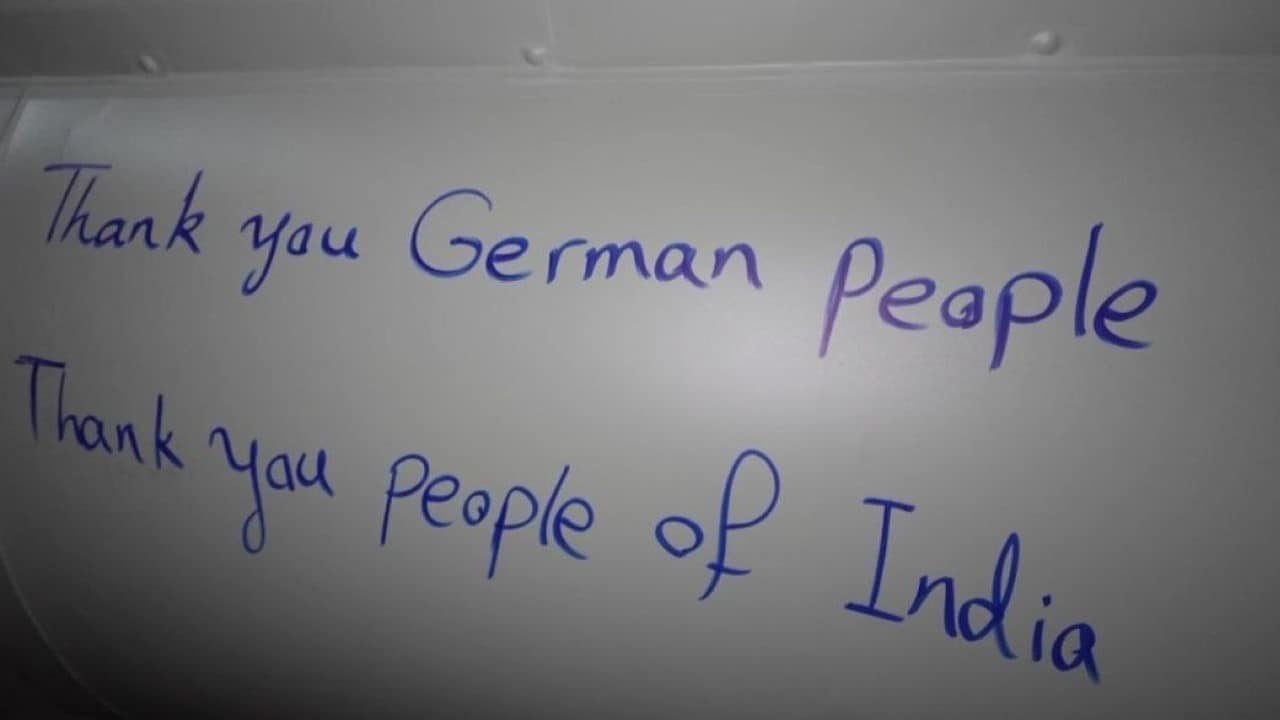
The diplomatic wires between Tehran and New Delhi just lit up with a message that defies the usual cold logic of geopolitics. In the wake of a massive, multi-wave missile strike against Israeli and American targets, Iran didn’t just issue a standard military briefing. Instead, the Iranian Consulate in Mumbai took to social media to share handwritten notes with a surprisingly personal touch. The core of the message? A direct "thank you" to the people of India.
It’s a bizarre sight. While governments are busy weighing the risks of a regional war, Iran is reaching out to the Indian public. This isn't just about diplomatic pleasantries. It’s a calculated move to acknowledge a groundswell of support that often gets buried under official state Department-style neutrality.
The message that cut through the noise
The images shared by the Iranian mission weren't glossy press releases. They were photos of handwritten notes. One specifically read, "thank you people of India." It was grouped with similar messages for the people of Germany, Spain, and Pakistan. According to the Iranian Aerospace Force, this gratitude stems from what they describe as "support and solidarity" during their recent operations.
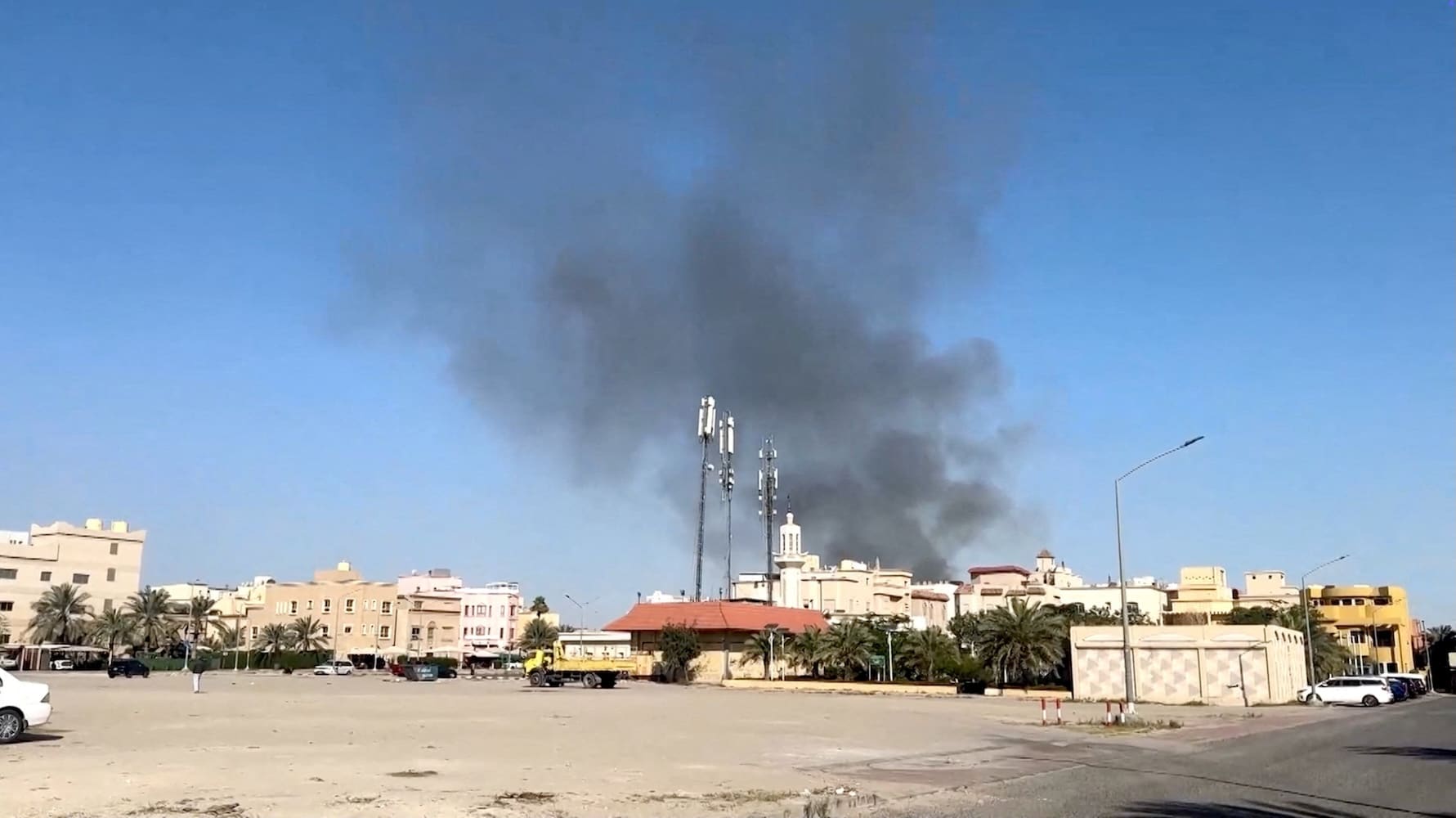
We're currently seeing the 83rd wave of these strikes, a part of what the Islamic Revolution Guards Corps (IRGC) calls Operation True Promise 4. This isn't a small skirmish. It’s a sustained campaign involving long-range precision missiles and suicide drones. Targeting everything from oil depots in Ashdod to US military exchange centers, the scale is massive. Yet, in the middle of this high-stakes military theater, Tehran felt the need to pause and wave at the Indian public.
Why India matters to Tehran more than ever
You might wonder why Iran cares what the average person in Delhi or Mumbai thinks. It’s because the official relationship between the two countries is currently walking a razor's edge. Prime Minister Modi has built a "Special Strategic Partnership" with Israel, even visiting the country just days before some of the heaviest strikes began. On paper, India looks like it’s leaning toward the West.
However, the reality on the ground in India is far more complex.
- The Diaspora factor: Nearly 10 million Indians live and work in the Gulf. Any escalation puts their lives and the remittances they send home at risk.
- Energy security: India’s economy depends on the stability of the Strait of Hormuz. Iran knows that if the oil stops flowing, India’s "neutrality" becomes much harder to maintain.
- Civilizational ties: Beyond the politics, there's a centuries-old cultural connection that hasn't evaporated.
Iran isn't stupid. They see the protests in Indian universities and the vocal support from various political and religious groups. By thanking the "people" rather than the "government," they're acknowledging the segment of India that doesn't necessarily agree with the current tilt toward Tel Aviv. It’s a classic "people-to-people" diplomatic play.
The internal Indian divide
Not everyone in India is celebrating this shout-out. The political landscape is fractured. While some groups have marched in support of Iran and Palestine, the Indian government has condemned Iranian retaliatory strikes on Gulf nations like the UAE and Saudi Arabia. In fact, the Ministry of External Affairs is in a "delicate diplomatic dance," trying to protect its 120-million-dollar investment in Iran’s Chabahar Port while simultaneously buying Israeli drones.
Opposition leaders like Rahul Gandhi have been vocal, criticizing the government for its silence on strikes that killed Iranian officials. They argue that by staying quiet, India is undermining its own long-standing principles of sovereignty. Iran’s thank-you note is a masterclass in driving a wedge into these internal debates. It validates the critics and reminds the Indian public that Tehran still sees them as friends, even if the folks in the South Block are acting distant.
What this means for the coming weeks
Don't expect this to change India’s official stance overnight. New Delhi will continue to call for "restraint" and "dialogue" because that’s the safest path when you have assets on both sides. But for Iran, the support of the Indian public is a moral victory they can use to signal to the world that they aren't as isolated as the US or Israel claims.
The situation is fluid and frankly, pretty dangerous. With the Strait of Hormuz reportedly closed and energy prices threatening to spike, the "solidarity" Iran is thanking Indians for will be put to a brutal test.
If you're following the conflict, keep an eye on these developments:
- The Chabahar Port status: If work stops there, the India-Iran relationship is in real trouble.
- Oil prices at the pump: This is where the conflict will hit home for most Indians first.
- Evacuation plans: Watch for the Indian government's "Operation" names for getting citizens out of the Middle East; that's the real sign of how bad things are.
Stay informed by following official Ministry of External Affairs updates and legitimate international news feeds. The rhetoric is heating up, but the handwritten notes suggest the human connection between these two nations is still very much alive, for better or worse.