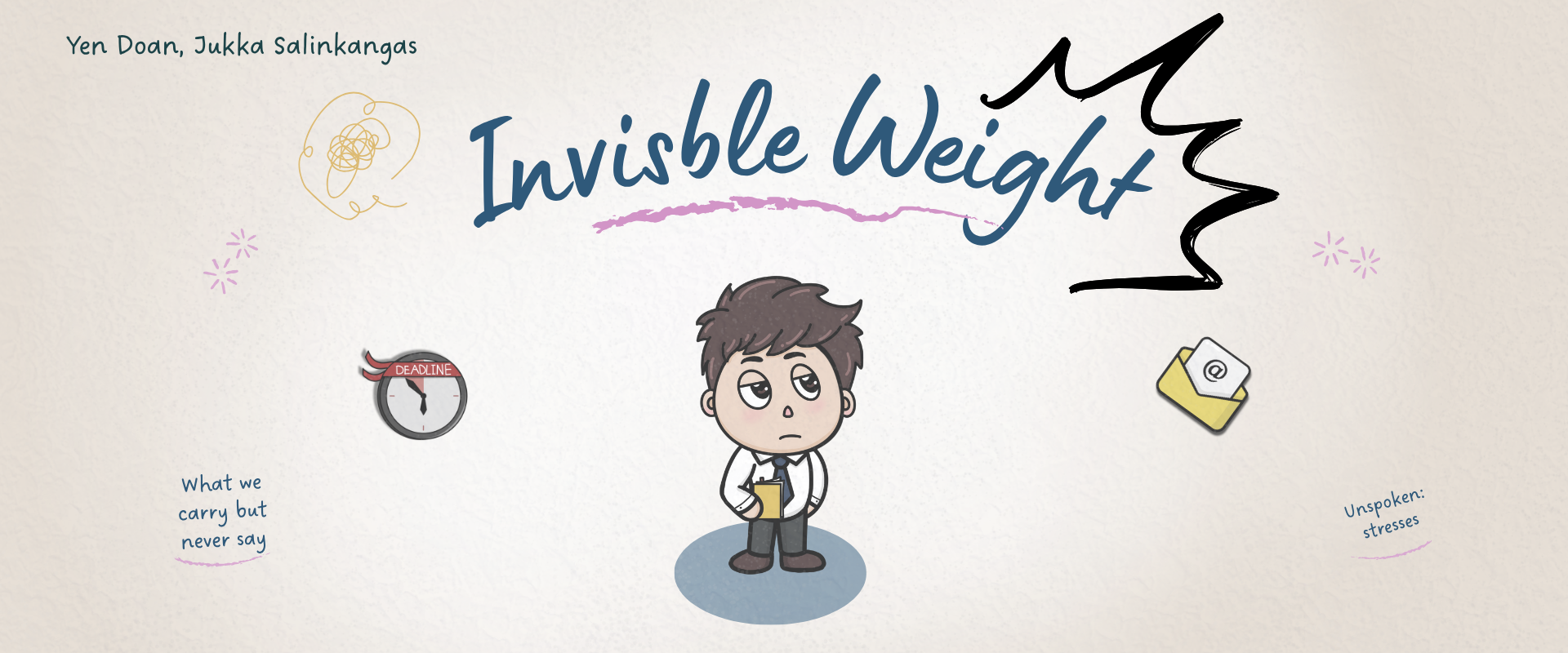
The coffee in the breakroom at a mid-sized tech firm in Cupertino isn’t just coffee. It is a measurement of anxiety. When the quarterly earnings report for the world’s most valuable consumer electronics company drops, the air in the room changes. It thins. People don't just look at their phones; they interrogate them.
We live in a world where the success of a single silicon chip or the subscription growth of a cloud service dictates whether thousands of people can sleep through the night. Apple recently stepped onto the stage to tell its story for the quarter, and while the numbers were high, the subtext was heavy. For the person holding a portfolio or the engineer wondering if their project remains a priority, the "beat" on expectations felt less like a victory and more like a stay of execution.
The Architecture of Anticipation
Every three months, we pretend that business is about math. We look at revenue spikes and gross margins as if they are static landmarks. They aren't. They are the pulse of a massive, breathing organism that consumes resources and exhales products. When Apple reported its latest figures, the "iPhone revenue" line item wasn't just a number. It represented millions of human decisions—the father in Jakarta choosing a trade-in, the student in London saving for a MacBook, the developer in San Francisco betting their startup's future on an API.
The problem with being at the top is that the horizon looks like a cliff. Apple’s growth in services is spectacular, yes. But it highlights a shift in the human contract. We are no longer just buying a device; we are renting a lifestyle. We pay for the right to remember our photos, the right to listen to our music, and the right to keep our data secure. This transition from "owner" to "subscriber" creates a different kind of psychological weight. It’s a recurring line on a bank statement that reminds us we never truly own the tools we use to build our lives.
When the Safety Net Frays
While the tech giants calculate their billions, another clock is ticking in Washington. The Department of Homeland Security (DHS) recently stared down the barrel of a shutdown. To a casual observer, a "government shutdown" sounds like a bureaucratic holiday. It isn't.
Consider a TSA agent named Marcus. Marcus doesn't care about the partisan bickering over budget allocations or the fine print of a continuing resolution. He cares about his mortgage. When the news ticker flashes "DHS Shutdown Imminent," Marcus enters a state of suspended animation. He is an essential worker, which means he must show up to work, scan bags, and maintain the thin veneer of national security while knowing his paycheck is a ghost.
The human cost of political brinkmanship is a quiet, eroding stress. It's the silent dinner table where a husband and wife wonder if they should cancel their daughter's gymnastics lessons. It’s the border patrol agent who is expected to perform a high-stakes, dangerous job with the enthusiasm of a volunteer. When we talk about "funding gaps," we are actually talking about the systematic destabilization of the families who keep the lights on for the rest of us.
The Chemistry of Transformation
While the macro-world of finance and politics shifts, an even more intimate change is happening inside the bodies of millions of people. We have entered the era of the "miracle jab." GLP-1 agonists, commonly known by brand names like Ozempic and Wegovy, have moved from the fringe of medical necessity to the center of the cultural zeitgeist.
But every miracle has a shadow.
"Ozempic breath" has become a trending topic, a punchline for late-night hosts and a source of private shame for users. It is a biological byproduct—the smell of a body being forced to change its metabolic rhythm. Because these drugs slow gastric emptying, food lingers. It ferments. The very thing that provides the liberation of weight loss creates a new kind of social prison.
Imagine a woman who has struggled with her weight for twenty years. She finally finds the "key" to the body she’s always wanted. She loses fifty pounds. But now, she is afraid to speak too closely to her partner. She carries mints like a shield. She has traded one physical burden for a sensory one. This is the trade-off of modern medicine: we solve the big, life-threatening problems, only to find ourselves entangled in the small, dignity-stripping ones.
The narrative around these drugs is often one of "vanity vs. health," but that misses the emotional core. It’s about the desperate human desire to be seen as "normal," even if that normalcy comes with a chemical aftertaste.
The Intersection of the Small and the Massive
It is easy to see these stories as separate. A tech earnings call, a government budget crisis, and a pharmaceutical side effect seem like three different worlds. They aren't. They are all symptoms of the same modern condition: the loss of agency.
- We are dependent on the hardware of a trillion-dollar company.
- We are dependent on the stability of a divided government.
- We are dependent on the chemistry of a weekly injection.
When the Morning Squawk echoes through the trading floors and the living rooms of America, it isn't just delivering news. It is delivering a status report on our collective vulnerability. We listen because we want to know if the ground beneath us is still solid.
The market "beat" tells us the economy is churning, but it doesn't tell us if the people inside that economy are happy. The DHS "deal" tells us the gates will stay open, but it doesn't heal the trust broken by the threat of a shutdown. The "cure" for obesity tells us we can be thin, but it doesn't tell us how to live with the side effects of our own evolution.
The Weight of the Next Minute
There is a specific kind of silence that follows a major news event. It’s the moment after the TV is turned off, when the reality of the facts begins to settle into the bones.
The iPhone in your pocket is a masterpiece of engineering, but it is also a tether. The agent at the airport is a pillar of security, but they are also a person who might be worried about their electric bill. The person sitting across from you at dinner might be experiencing the greatest medical breakthrough of the century, and they might be terrified to open their mouth and let you know.
We move through our days navigating these invisible currents. We are small actors in a very large, very loud play. We look for patterns in the noise, hoping to find a signal that says we are safe, that we are progressing, that the cost of entry into the future isn't more than we can afford to pay.
The numbers will come out again next quarter. The politicians will find another cliff to stand on. The scientists will find a way to mask the breath and the nausea.
Until then, we wait. We check our notifications. We breathe through the mints. We watch the clock. And we hope that the next time the world holds its breath, it remembers to let it out.
The sun sets over the Potomac and the silicon valleys of the West, casting long shadows over a landscape that is more fragile than the spreadsheets suggest. Every billion dollars earned is a billion stories of effort, and every policy narrowly avoided is a sigh of relief from a family that shouldn't have had to worry in the first place. We are not just data points in a squawk box. We are the pulse.
We are the ones keeping time.


