High above the jagged peaks of the Zagros Mountains, the air is thin and deceptively still. For a pilot or a drone operator, the landscape looks like a silent chess board of brown and grey. But on the ground, the reality of geopolitical friction isn’t a game of grand strategy. It is the smell of scorched rubber, the frantic static of a radio losing its signal, and the heavy, suffocating heat of a Persian Gulf afternoon.
We often talk about international relations as if they are conducted by stone-faced men in wood-paneled rooms. We analyze treaties and sanctions like they are immutable laws of physics. They aren't. They are psychological gambles. When the United States walked away from the nuclear deal and leaned into a campaign of maximum pressure, the goal was to choke the Iranian economy until the leadership in Tehran had no choice but to bend.
The strategy assumed one thing: that the opponent would play by the same rules of economic logic. It was a miscalculation of human nature.
The Art of the Asymmetric Response
Imagine a smaller, leaner boxer facing a heavyweight champion. The smaller fighter knows he cannot win a direct exchange of haymakers. If he tries to trade blow for blow, he loses. So, he stops trying to punch the face. Instead, he starts stepping on toes. He elbows the ribs when the referee isn't looking. He lures the giant into a corner where the heavy hitter’s wingspan becomes a liability rather than an asset.
Tehran didn't respond to the tightening financial noose by begging for mercy. They responded by making the entire region feel their discomfort.
This is the trap. It wasn't a hole dug in the dirt; it was an invitation to overreact. Every time a tanker was harassed in the Strait of Hormuz or a drone was downed, the pressure didn't just stay on Iran. it transferred to the White House. The goal was to force a choice between two equally unappealing doors: a full-scale war that no one wanted, or a humiliating retreat that proved the sanctions were teethless.
The Ghost in the Machine
Consider the 2019 strike on the Abqaiq oil processing facilities in Saudi Arabia. In a matter of minutes, five percent of the world’s global oil supply vanished. There were no carrier groups involved. No massive divisions of infantry crossed a border. It was a swarm of drones and missiles—low-cost, high-impact technology that bypassed billions of dollars in sophisticated defense systems.
For the American administration, the shock wasn't just the damage. It was the realization that the old playbook was obsolete. You can have the most powerful military in human history, but if your opponent is willing to operate in the shadows, using proxies and deniable attacks, your power becomes a ghost. It’s like trying to fight a swarm of hornets with a sledgehammer. You might swing hard. You might even hit a few. But you’re going to get stung, and the sledgehammer will eventually feel very, very heavy.
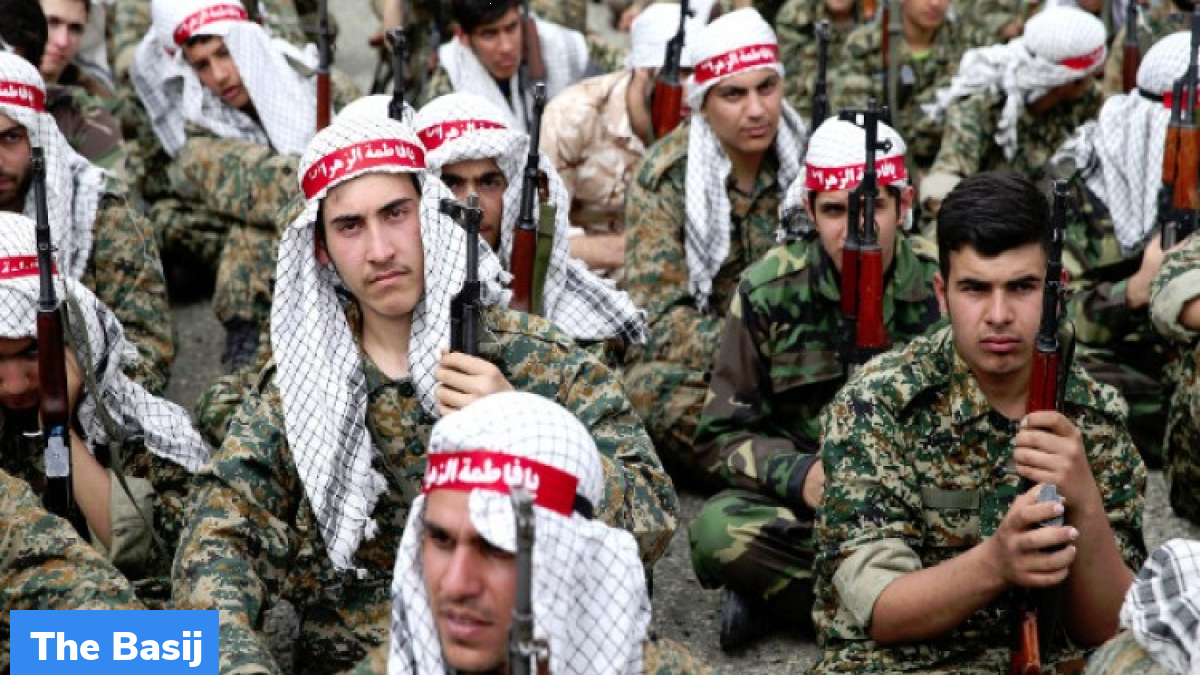
The logic of "maximum pressure" was built on the idea that Iran was a rational actor that valued its GDP above its regional influence. But for the Iranian Revolutionary Guard, the struggle isn't about the price of a rial or the availability of imported luxury goods. It’s about survival and identity. When you back a proud, ideologically driven entity into a corner, they don't look for an exit. They look for a way to make the corner dangerous for everyone else.
The Weight of Every Decision
Every move made during those years felt like a definitive strike, yet each one seemed to lead deeper into the thicket. When the decision was made to take out high-ranking officials, the immediate feeling was one of strength. It was a bold assertion of "we can reach you anywhere."
But strength is a fleeting currency in the Middle East.
The aftermath wasn't a cowed Iranian leadership. It was a renewed sense of purpose for their proxies in Iraq, Lebanon, and Yemen. It gave the hardliners in Tehran the perfect villain for their domestic narrative. It turned a failing economic situation into a rallying cry for national sovereignty. In trying to break the regime, the policy inadvertently gave it the one thing it needed most: a clear, external enemy to blame for every internal failure.
We often think of diplomacy as a sign of weakness, a compromise of values. In reality, it is the only way to avoid the tripwire. The trap was set the moment the U.S. decided that total victory was the only acceptable outcome. In a region as complex and historically scarred as the Middle East, total victory is a mirage. It shimmers on the horizon, promising a finality that never arrives, leading the traveler further and further into the sun until they are too exhausted to turn back.
The Cost of the Long Game
The true cost isn't measured in the billions of dollars spent on deployments or the fluctuating price of a barrel of crude oil. It’s measured in the erosion of trust and the hardening of hearts. A generation of people in the region saw that agreements could be torn up on a whim. They saw that even the most powerful nation on earth could be baited into a cycle of provocation and reaction.
The trap worked because it relied on the one thing politicians find hardest to resist: the need to look tough.
It is easy to order a strike. It is easy to sign a sanctions executive order. It is incredibly difficult to sit at a table with someone who hates you and find a way to coexist. One requires a trigger finger; the other requires a spine of steel and the patience of a mountain.
By choosing the path of maximum friction, the administration entered a room where Iran held the thermostat. They could turn the heat up or down whenever they needed a distraction or a bargaining chip. They turned the American president’s own rhetoric against him, creating a feedback loop where any move toward peace looked like a surrender, and any move toward war looked like a catastrophe.
The desert has a way of swallowing footprints. Years from now, the specific dates of the sanctions and the names of the shadowed vessels might be forgotten by the general public. But the lesson remains, etched into the sand for anyone willing to look. Power that cannot be restrained is power that can be manipulated.
A giant who cannot stop swinging eventually tires himself out. And in the silence that follows the exhaustion, the smaller player is still there, waiting, having never moved from the spot where the trap was first laid.