Silence.
In an international departure terminal, silence is never a good sign. Normally, Sydney Kingsford Smith Airport hums with a low, caffeinated vibration—the clatter of rolling suitcases over polished stone, the hiss of espresso machines, the rhythmic cadence of boarding announcements echoing off high glass ceilings. You expect noise. You rely on it as proof that the massive, intricate machine of global transit is turning over as promised. If you found value in this article, you should check out: this related article.
Then, the departure boards flicker.
Imagine, for a moment, a hypothetical traveler named Elena. She is standing near Gate 24 with a lukewarm flat white in one hand and a passport worn soft at the edges in the other. She has spent fourteen months saving for this trip to Los Angeles, timed precisely to make her sister’s wedding rehearsal on Friday evening. Around her, three hundred other passengers are checking their watches, adjusting neck pillows, and waiting for the familiar chime that signals Zone 1 boarding. Instead, the gate agent picks up the receiver, listens for ten seconds, and slowly sets it back down. No chime follows. Just a quiet murmur spreading from the podium like a ripple across dark water. For another angle on this event, see the recent update from Travel + Leisure.
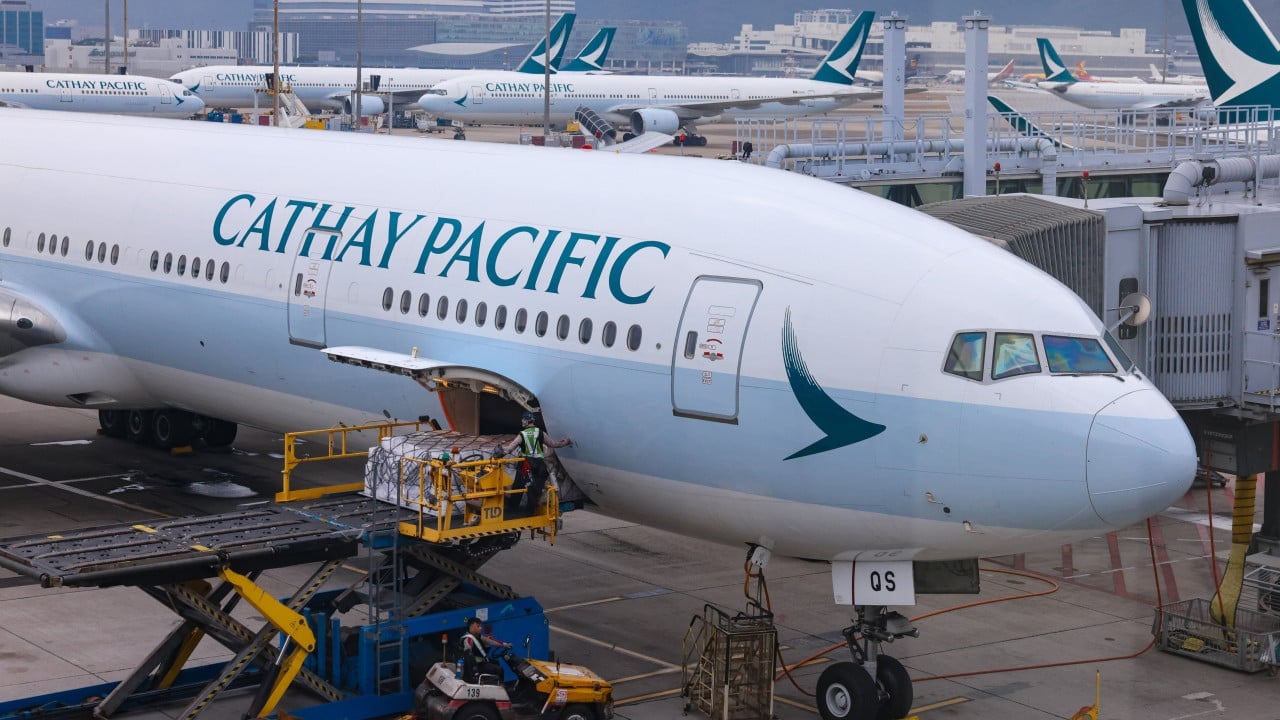
Across the tarmac, a wide-body jet sits heavy with fuel, its engines cold, its nose pointed toward a fourteen-hour crossing over the open ocean. Nothing is mechanically wrong with the aircraft. The pilots are rested. The skies between New South Wales and California are clear. Yet the plane cannot move an inch, because thousands of miles away in the United States, a telecommunications outage has severed the digital nervous system that keeps commercial aviation alive.
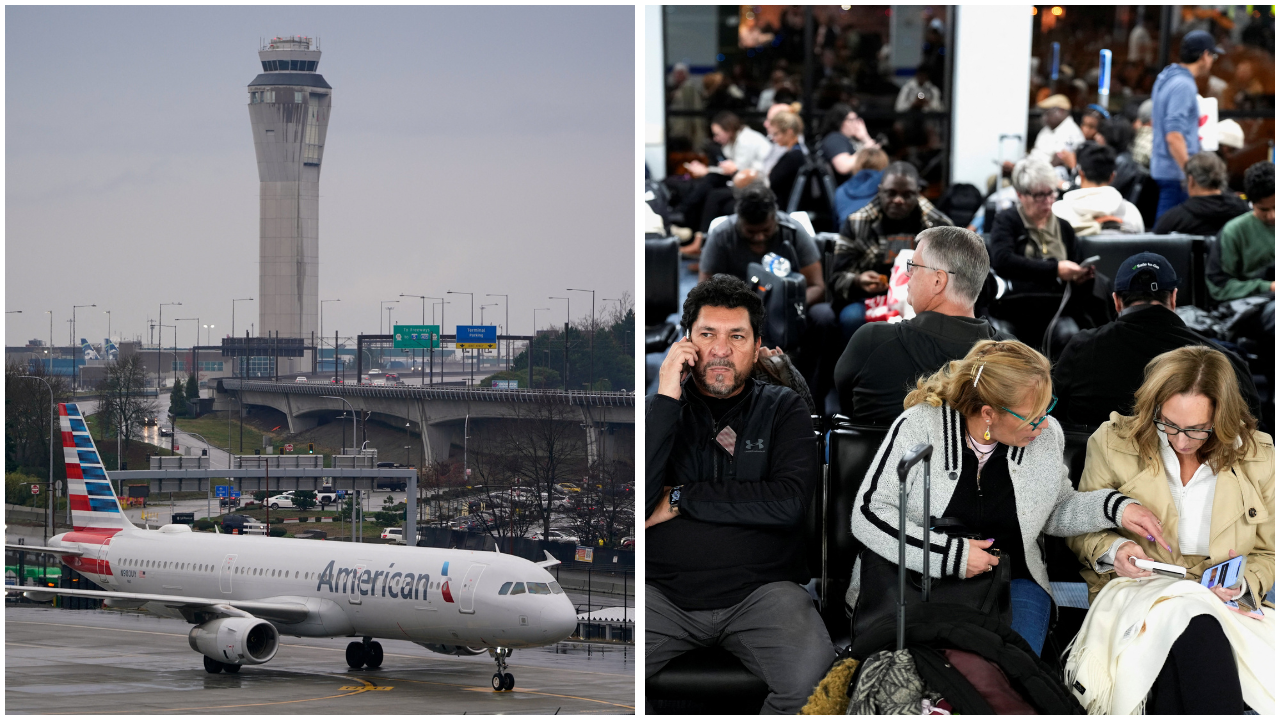
When headlines report that US-bound flights out of Australia have been delayed after a telecommunications outage grounded American planes, the phrasing sounds almost clinical. It reads like a minor scheduling hiccup, a neat row of numbers on an aviation tracker. What those dry summaries miss is the sheer fragility of the invisible threads holding modern travel together—and the sudden, disorienting vulnerability of being stranded at the edge of the world when the signal drops.
The Architecture of an Invisible Tether
To understand why a severed data line in North America can freeze an airliner on a runway in Sydney, you have to strip away the romance of flight and look at what a modern jet actually is. It is not merely an aluminum tube propelled by burning kerosene. It is a flying data center that is legally and operationally forbidden from leaving the ground unless it can talk to home.
Think of an international flight like a deep-sea diver tethered to a surface ship by an umbilical hose. The diver has the strength to swim, and the suit is pressurized, yet the moment the air line kinks on the deck above, the dive is over before it begins. For commercial airlines operating transpacific routes, telecommunications networks are that umbilical cord.
Before a single passenger steps onto the jet bridge, an extraordinary volume of data must pass back and forth between the aircraft in Australia and the airline’s operations center in the United States. Flight plans—calculated down to the kilogram of fuel needed to fight headwinds at thirty-eight thousand feet—must be filed and verified. Weight and balance manifests, which account for every checked bag, cargo pallet, and passenger seat assignment, have to be transmitted through centralized servers. Weather models, maintenance logs, and air traffic control clearances all flow through terrestrial fiber-optic cables and satellite relays managed by major telecom carriers.
When a primary telecommunications outage strikes those networks in the United States, the disruption does not stay neatly contained within American borders. Aviation operates on a hub-and-spoke nervous system. If the central dispatch computers in Texas, Illinois, or Georgia cannot communicate with the ground crews in Sydney or Melbourne, the airline loses its ability to verify that the flight is safe and compliant. Federal aviation rules leave zero room for guesswork. If the system cannot confirm the math, the brakes stay locked.
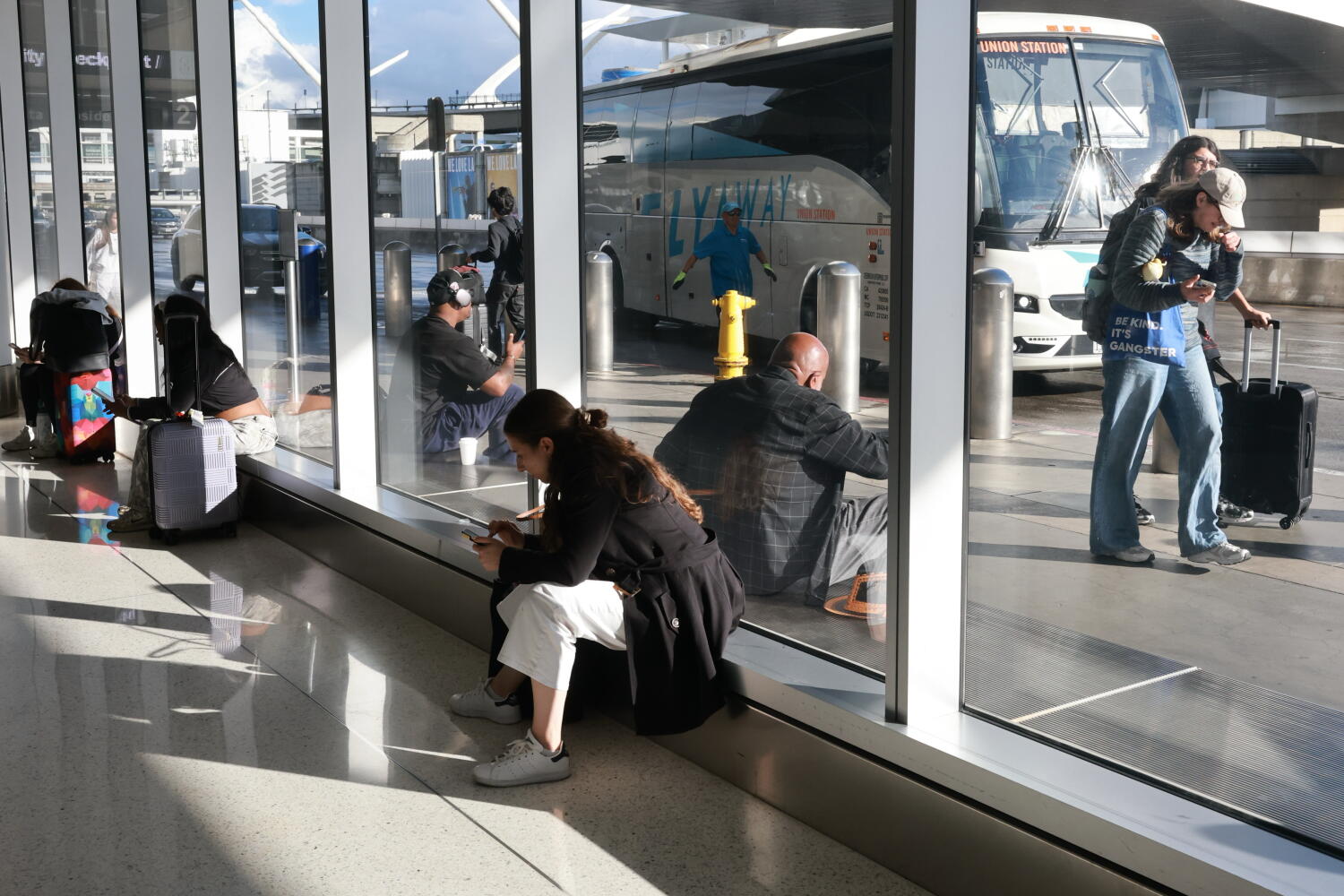
I have sat on the wrong side of those locked brakes more than once. You recognize the exact moment a routine delay curdles into something systemic. First, the airline app stops updating, freezing on a cheerful green "On Time" status that contradicts the grim faces behind the counter. Next, the free airport Wi-Fi slows to a crawl as hundreds of stranded travelers simultaneously try to rebook hotels, message family members, and refresh news feeds. The air in the terminal grows stale. Time stretches out, measured not in minutes, but in dying phone batteries and dwindling snacks.
The Domino Effect Across the International Date Line
Geography makes disruptions on the Australia-to-United States corridor uniquely punishing. Unlike flying between New York and London, where dozens of daily departures offer a safety net of rebooking options, transpacific flights operate on razor-thin schedules dictated by curfews and planetary rotation.
Sydney Airport enforces a strict night curfew between eleven in the evening and six in the morning to protect surrounding neighborhoods from engine noise. Most US-bound flights are clustered into a tight morning and early afternoon departure window so they can clear Australian airspace and arrive on the American West Coast in the morning of the very same calendar day—a quirk of crossing the International Date Line backward.
Consider what happens next when a telecommunications outage stalls those morning departures for even three or four hours:
- Crew timeouts hit like a brick wall. Pilots and flight attendants are governed by strict legal limits on how many hours they can remain on duty. If a crew sits in the terminal waiting for dispatch systems to reboot, their clock is ticking. Once they cross that threshold, they cannot legally fly the plane, even if the telecom network roars back to life five minutes later.
- Connecting waves collapse. A flight arriving late into Los Angeles, San Francisco, or Dallas misses the afternoon bank of domestic connections. Suddenly, a delay in Sydney strands passengers bound for Chicago, Boston, and Miami.
- Aircraft rotation unravels. The same Boeing 787 or Airbus A350 sitting idle on the tarmac in Australia was scheduled to turn around in California and fly back south that night. Grounding outbound flights in the US cascades backward, meaning fewer planes are even reaching Australia to carry the next day’s travelers home.
This is why a telecommunications failure lasting a few hours can trigger days of travel chaos across the Pacific. You cannot simply pull a spare wide-body jet and a fresh fifteen-person crew out of a hangar in Sydney. Every piece of equipment is spoken for months in advance, choreographed into a global relay race where a single dropped baton stalls the entire track.
Why Modern Aviation Keeps Tripping Over Its Own Wires
It is tempting to assume that an industry capable of landing aircraft in zero visibility using GPS satellites would have bulletproof communication lines. Yet over the past several years, travelers have watched high-profile ground stops ripple across major carriers due to software glitches, fiber cuts, and network failures.
The uncomfortable truth is that while aircraft hardware has grown remarkably resilient, the ground infrastructure supporting it has become more centralized—and therefore more vulnerable to single points of failure.
Decades ago, airline operations were decentralized, relying heavily on local dispatchers, paper manifests, and direct radio links. If one regional office went dark, nearby stations kept running. Today, efficiency demands centralization. Airlines consolidate their flight planning, crew scheduling, and customer reservations into massive cloud architectures and centralized operations centers, all dependent on high-speed telecommunications backbones.
When everything works, the efficiency is breathtaking. Millions of passengers move across oceans daily with historically low accident rates and optimized fuel burn. But centralization creates a hidden vulnerability. A backhoe severing a bundle of fiber-optic cables, a misconfigured router update at a major telecom provider, or a cascading server failure can sever the link between an airline's brain and its limbs.
During an outage, airline staff on the ground are often just as blind as the passengers standing in front of them. Gate agents stare at frozen terminals displaying spinning loading icons. Supervisors rely on personal cell phones to call regional managers, trying to piece together information that normally arrives in milliseconds. It is a humbling reminder that beneath the sleek aluminum skin of modern aviation lies a patchwork of aging telecom infrastructure and complex digital handoffs.
How to Navigate the Chaos When the Grid Goes Down
Knowing why the system breaks does not make sleeping on a terminal bench any softer, though understanding the mechanics of a telecommunications ground stop gives you a distinct advantage when everyone else is panicking.
When a systemic outage grounds US-bound flights, the worst place to be is at the back of a two-hundred-person customer service line at the gate. Those agents are tethered to the exact same frozen computer systems causing the delay. Until the central network restores connectivity, they cannot issue new boarding passes, print hotel vouchers, or override seat assignments.
Instead, your best move is to bypass the local bottleneck entirely. While the terminal crowd surges toward the podium, open the airline’s mobile app or call their international support line—specifically routing through a different region if local phone lines are jammed. Often, global reservation centers located in different time zones regain partial access before airport gate terminals sync back up.
Keep a clear eye on the distinction between a delay and a cancellation, and know your rights before stepping up to the desk. Because telecommunications outages are frequently categorized by airlines as extraordinary circumstances or third-party infrastructure failures rather than direct mechanical faults, compensation rules vary wildly depending on where your ticket was issued and which carrier operates the metal. Regardless of the classification, airlines remain obligated to get you to your final destination. If a partner carrier—such as Qantas, Air New Zealand, or a connecting Asian airline—is unaffected by the specific US telecom outage, ask an agent to endorse your ticket over to an alternate routing rather than waiting forty-eight hours for the backlog to clear.
Pack your carry-on as though every transpacific flight has a twenty percent chance of turning into an overnight stay. Keep essential medications, a change of clothes, charging cables, and basic toiletries within arm’s reach. Once a flight is delayed on the tarmac or held at the gate during an IT outage, retrieving checked luggage from the belly of a wide-body aircraft is nearly impossible until the flight is officially canceled.
The View From Gate 24
Back in our hypothetical terminal in Sydney, three hours have bled into four. The afternoon sun slants low across Botany Bay, turning the tarmac into a sheet of hammered gold. Inside, the initial wave of frustration has subsided into a quiet, collective resignation. Strangers share power strips beside pillar outlets. Someone has ordered pizza to the terminal entrance; another traveler is reading a bedtime story over a video call to a toddler twelve time zones away.
Then, without fanfare, the printer behind the Gate 24 podium whirs to life.
A single sheet of thermal paper curls out of the slot—the final weight and balance manifest, transmitted across thousands of miles of undersea cable from a server room that finally found its voice again. The gate agent tears it off, picks up the microphone, and clears her throat.
Around the room, heads lift. Backpacks are hoisted onto tired shoulders. Elena closes her book, tucks her passport into her jacket pocket, and steps into line, feeling the familiar surge of relief that always follows a long suspension of certainty. Outside the glass, ground crews pull the chocks away from the nose wheel, preparing to push three hundred tons of metal back from the gate.
We cross oceans trusting that the engines will roar, the wings will hold, and the sky will stay clear—forgetting that before any of it can happen, a quiet signal has to make the journey first.