The pediatrician's office smells faintly of rubbing alcohol, warm paper table liners, and anxious anticipation. For generations, this quiet room has served as a sanctuary where modern science meets raw parental hope. Parents sit on crutches of vinyl chairs, holding toddlers who kick their legs and babble at ceiling mobiles, entirely unaware of the invisible architecture protecting them. That architecture is a schedule—a carefully timed, decades-refined sequence of tiny pricks designed to outrun ancient plagues.
Ink dries quickly in the Oval Office, but the ripples of a signature take decades to settle.
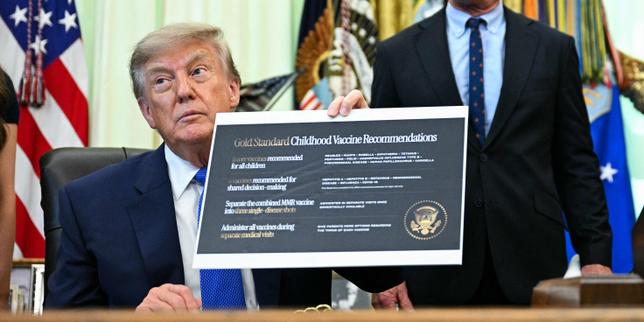
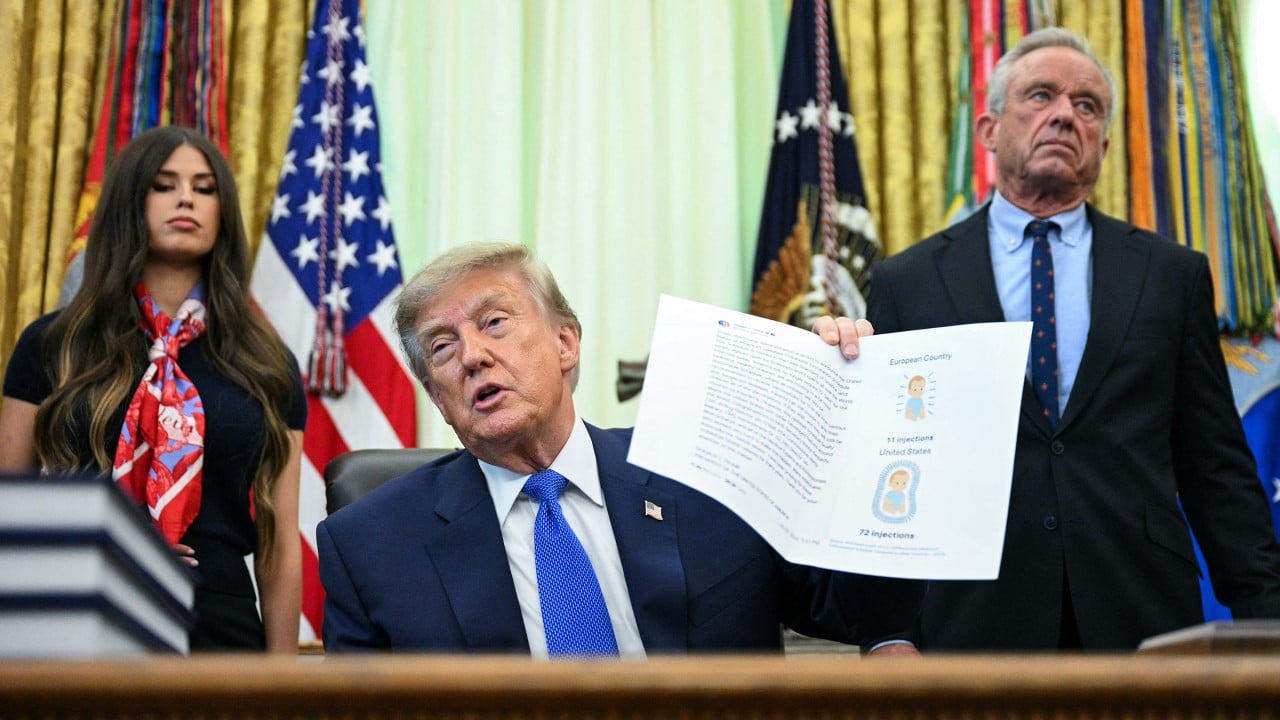
A recent executive order has sought to upend that quiet sanctuary. By calling for a reduction in routine immunizations down to eleven core recommendations and pushing to splinter combination shots like the measles, mumps, and rubella (MMR) inoculation into separate medical appointments, federal policy has taken a sharp detour from global scientific consensus. The policy invokes a familiar refrain: the shadow of autism. Yet, the foundation of this directive rests on an idea that extensive, multi-decade international studies have repeatedly investigated and decisively laid to rest.
Consider what happens next in the examination room.
When a policy demands that combination shots be dismantled into standalone visits, reality pushes back. Standalone doses for individual components of the MMR vaccine do not currently exist in the American market. Manufacturing lines were shuttered long ago. Beyond logistics, human behavior dictates that every extra trip to a clinic introduces friction. Parents juggle work schedules, transportation, and copays. Each fragmented appointment multiplies the window of vulnerability, leaving infants exposed to preventable contagions simply because life interfered with a rigid calendar.
History offers a stern warning for these administrative detours. Decades ago, health authorities in other developed nations attempted similar fragmentation of childhood immunizations. Protection rates plummeted, and subsequent public health tracking documented hundreds of preventable pediatric injuries, including permanent hearing loss from mumps outbreaks that could have been avoided with a single, unified dose.
Medical organizations, including the American Academy of Pediatrics, reacted with swift alarm, calling the directives dangerous and disconnected from the realities of infectious disease. Pediatricians who have spent lifetimes studying immunology watch with profound weariness as institutional trust becomes a casualty of political maneuvering. They know that viruses do not negotiate with executive orders. Pathogens exploit gaps in coverage with mathematical precision.
The parent holding that toddler on the paper table wants what every generation has wanted: safety, health, and a long life for their child. They navigate a world overflowing with conflicting digital noise, searching for an anchor. When the rules of protection change by decree rather than discovery, the burden falls squarely onto the shoulders of families trying to decipher which path keeps their children safe in a fragile world.
Silence falls across the clinic after the door closes. The chart is updated. The next patient is waiting in the hall.