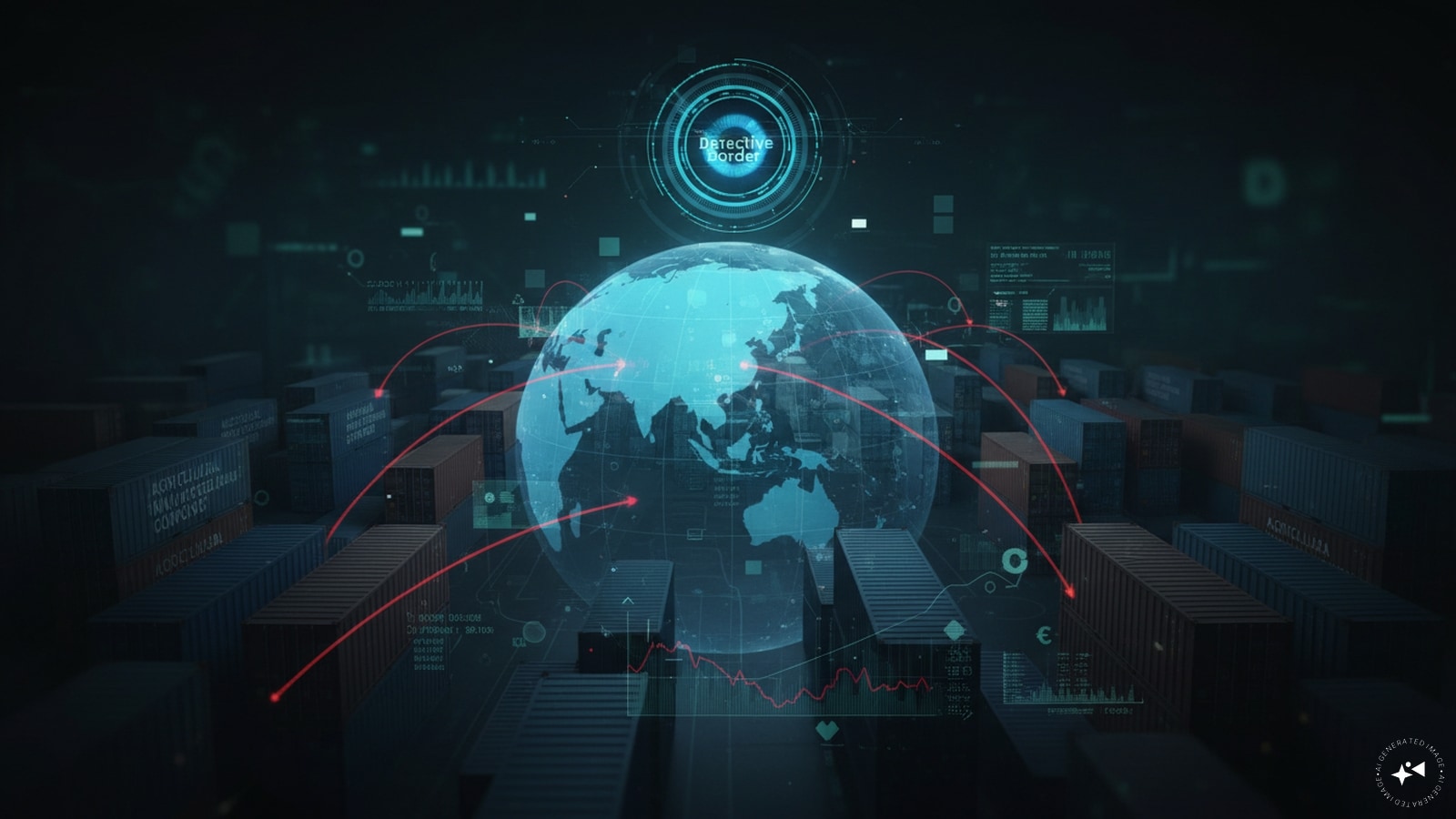
The desk smells of stale cold brew and the metallic tang of an ancient radiator that refuses to shut off. It is 3:14 on a Tuesday afternoon, and the screens are bleeding red. Not the dramatic, cinematic red of a movie screen crash, but a dull, stubborn amber that blinks monotonously across four different terminals.
To the casual observer walking past the glass partitions of a Midtown trading floor, everyone looks composed. Neatly pressed sleeves. Low murmurs. The quiet hum of air conditioning. But underneath that calm veneer lies an acute, grinding panic. They are not staring at stocks today. They are staring at the plumbing.
Specifically, they are staring at the Treasury market. And the Treasury market is broken.
Not broken in the sense that the lights have gone out or the numbers have frozen. It is worse than that. It is broken because it has become a closed loop of absolute necessity, a financial ecosystem trapped in a toxic embrace with itself. Everyone relies on it, everyone fears it, and no one knows how to let go without blowing up the room.
To understand why a piece of paper backed by the United States government has become the most anxious object on earth, you have to look past the spreadsheets and look at the architecture of modern debt.
Imagine a massive, sprawling bridge built decades ago to carry a few horse-drawn carts. Over the generations, city planners kept widening it. They added lanes for cars, then semi-trucks, then high-speed freight trains. Today, supersonic jets are taxiing across asphalt that was originally poured for bicycles. That is the Treasury market. The sheer volume of government debt issued to fund deficits has ballooned into numbers that defy human comprehension—trillions upon trillions of dollars changing hands every single day.
Yet the dealers, the primary banks that are supposed to buy these mountains of debt and distribute them to the world, have their hands tied behind their backs. Post-crisis regulations, designed to keep another 2008 from happening, made it ruthlessly expensive for big banks to hold vast inventories of bonds on their balance sheets.
So what happens when the government floods the kitchen with more dishes than the sink can possibly hold?
The traditional washers walk away. They simply cannot afford to take the risk.
Enter the new arrivals. High-frequency trading firms. Algorithmic black boxes humming in server racks out in New Jersey, milliseconds away from the matching engines. They don't hold bonds over lunch, let alone overnight. They skim fractions of a cent off millions of trades, darting in and out of the order book like minnows dodging a barracuda. They provide liquidity when the sun is shining and the weather is calm.
The moment a storm hits, they vanish.
That is the codependency. The government needs massive, continuous buyers for its debt to keep the lights on in Washington. The financial system needs risk-free collateral to grease the wheels of every single loan, derivative, and repo agreement on the planet. And the market structure itself relies on electronic ghost ships that disappear the second the water gets choppy.
I remember watching a liquidity flash freeze firsthand years ago. It was not loud. There was no shouting across the floor. Instead, the bid-ask spreads simply widened like a chasm opening up beneath your feet. You could see the price on the screen, but when you tried to execute, the market laughed at you. The depth evaporated. Buyers hesitated for a microsecond—an eternity in electronic trading—and the entire pricing mechanism stuttered.
Panic is rarely a theatrical explosion. Usually, it is just a sudden, deafening silence.
When the Treasury market stutters, everything else catches a cold. Corporate bonds? Tied to Treasuries. Mortgages? Tied to Treasuries. Student loans, car notes, municipal bonds for building schools and paving roads—they all take their tuning from this single, anxious pitchfork.
When the foundation wobbles, the penthouse feels the tremor first, but the basement takes the collapse.
Fixing this requires more than minor tweaks to margin requirements or gentle nudges from central bankers. It demands an honest reckoning with how we fund public ambition in an age of automated finance. We built a machine that demands absolute perfection from a human world defined by chaos.
The screen blinks again. Another billion-dollar auction clears with a whisper of tail, and the traders exhale. For now, the bridge is holding. But the weight keeps growing, the trucks keep getting heavier, and the wind is starting to pick up.