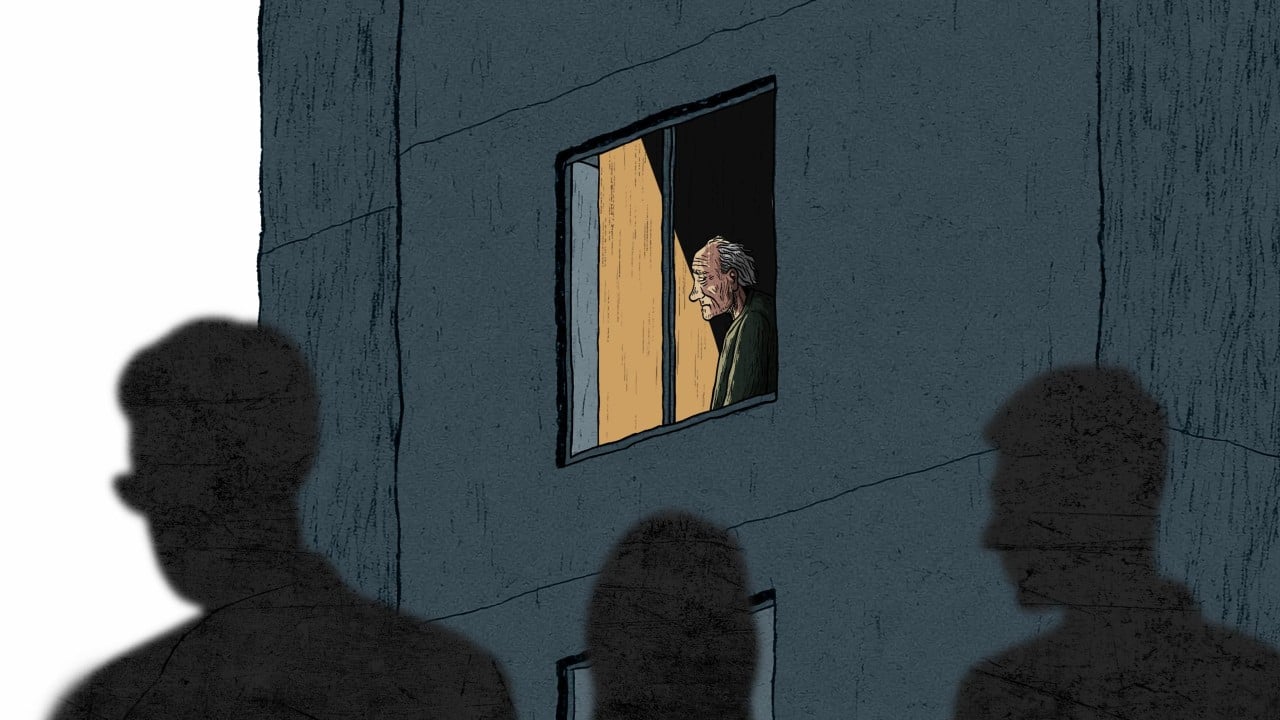
Half of Hong Kong's elderly population is slipping into complete social isolation. It isn't a slow, natural slide into old age. It's a sudden, aggressive decoupling from society. When 50% of the city’s seniors report having little to no meaningful contact with the outside world, it’s no longer an individual issue. It’s a systemic collapse of community care.
People search for this topic because they notice their aging parents growing quiet. They see neighbors who haven’t left their public housing flats in weeks. The real question they are asking is simple: why is a city with world-class infrastructure failing its oldest citizens so completely, and how do we fix it before more seniors die alone?
The Emigration Wave and the Empty Nest
You can’t talk about senior isolation in Hong Kong without addressing the massive elephant in the room. The recent waves of emigration have gutted family support networks. Younger generations are packing up for the UK, Canada, and Australia. They leave behind parents who are too frail to move, too attached to their roots, or unable to adapt to a foreign language.
Data from the Senior Citizen Home Safety Association shows a stark rise in emotional distress among "empty nest" seniors. These aren't just statistics. These are people whose entire daily routine revolved around family dinners, now sitting in empty concrete flats listening to the hum of the refrigerator.
The physical distance creates an emotional vacuum. A WhatsApp call once a week doesn't replace someone helping you read a medical letter or checking if you ate lunch. The sudden departure of adult children leaves seniors feeling like burdens, prompting them to withdraw even further into their shells to avoid showing their vulnerability.
Housing Blocks That Mimic Solitary Confinement
Hong Kong is one of the most densely populated places on earth. Ironically, this density breeds extreme isolation. Thousands of seniors live in high-rise public housing estates across Kwun Tong, Sham Shui Po, and Central Kowloon.
A study published in Frontiers in Public Health analyzed community-dwelling older adults in Hong Kong and found that a staggering 41.4% met the strict criteria for being socially isolated via the Lubben Social Network Scale. The highest concentration? Seniors living alone in public housing without religious ties or local family.
When you live in a tiny, subdivided flat or a cramped public estate unit, physical limitations turn your home into a prison. If the building’s lift breaks down—a frequent occurrence in older estates—a senior with osteoarthritis or high fall risks is trapped. Going down to the wet market becomes an insurmountable mountain. So they stay inside. Days bleed into weeks. They lose the habit of speaking to people.
The Digital Divide is a Wall
Everything in Hong Kong runs on an app. From booking a doctor's appointment at a public clinic to ordering food or scanning QR codes for basic services, the city has sprinted ahead digitally. It left half its elderly population behind in the dust.
Digital illiteracy isn't just an inconvenience; it's a structural barrier to socialization. When a senior cannot navigate a smartphone, they cannot access community center updates. They can't coordinate meetups with the few friends they have left. They feel stupid, outdated, and unwanted. Rather than risking public embarrassment, they choose to stay home.
What Loneliness Does to the Body
Let's clear up a massive misconception. Isolation isn't just an unpleasant feeling. It kills.
Research from the University of Hong Kong highlights that severe social isolation is tied to a 31% increased risk of dementia and a 26% spike in mortality rates. Biologically, the prolonged stress of loneliness dysregulates the HPA axis, triggering chronic inflammation and lowering immunity.
Isolated seniors are twice as likely to suffer from severe depression and cognitive decline compared to their socially active peers. When nobody is watching, nutrition plummets. A lonely senior won't cook a balanced meal for one; they'll eat white rice and pickled vegetables day after day.
Radical Solutions That Actually Work
The current approach of handing out occasional gift bags with rice and oil during the Mid-Autumn Festival is a band-aid on a gunshot wound. We need structural, proactive interventions.
Smart Tech with Low Friction
We need to use tech that doesn't require a senior to learn an interface. Trial programs in select public housing estates have started using simple magnetic door sensors. If a senior's front door doesn't open within a 24-hour or 48-hour window, an automated alert pings a local community organizer or neighbor. It’s passive, non-intrusive, and keeps people alive.
Gender-Specific Outreach
Men and women experience isolation entirely differently. In Hong Kong, elderly women are far more likely to eventually join community centers, take up hobbies, or chat with neighbors at the wet market. Men don't. They tend to tie their identity to their working life. Once retired, they lose their social script. Outreach programs must create male-specific spaces—like tool-sharing sheds, chess clubs, or casual repair workshops—where men can socialize without feeling like they are entering a "care dependency" environment.
Formalizing Neighbor Networks
The most effective social worker is the person living next door. The government needs to fund and formalize building-level caretaker networks. Pay active, younger retirees living in the same building a small stipend to check on three or four isolated seniors on their floor every single day.
Real Next Steps You Can Take Today
If you want to combat this crisis, stop waiting for massive policy shifts. Change happens at the street level.
- Audit Your Floor: Next time you leave your flat, notice who lives next to you. If there’s an elderly neighbor living alone, say hello. Establish a baseline greeting. It breaks the ice and lowers their hostility toward the outside world.
- The Two-Minute Check: If you have elderly relatives left behind in Hong Kong while you are abroad, call them at varying times, not just on a strict Sunday schedule. Ask specific questions: "What did you buy at the market today?" rather than "How are you?"
- Support Gatekeeper NGOs: Volunteer with or donate to organizations like the Senior Citizen Home Safety Association (SCHSA) that run 24/7 emergency lines and proactive telephone greeting services.
We are all aging. The isolation we ignore today is the same isolation that will welcome us tomorrow if we don't fix the social fabric right now.