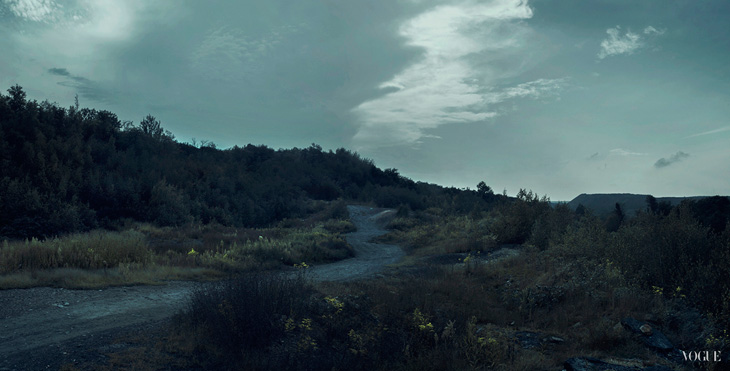
The air in the Highwood Pass doesn't just sit; it bites. It carries the scent of damp subalpine fir and the metallic tang of melting snow, even as the calendar turns toward summer. For a hiker, this is the cathedral of the Canadian Rockies. For a grizzly, it is a grocery store.
You don't hear the charge. That is the first thing people get wrong. They expect a cinematic roar, a slow-motion build-up of snapping branches and bird calls falling silent. In reality, it is a sound like a freight train derailment—the sudden, violent displacement of brush and the rhythmic thud of six hundred pounds of muscle hitting the dirt at thirty-five miles per hour.
Last week, two separate hikers in Kananaskis Country learned exactly how thin the veil is between a scenic Saturday and a fight for survival. They weren't attacked. They were bluff charged. It is a distinction that feels academic until you are the one staring into a pair of black, intelligent eyes while your heart attempts to exit your chest through your throat.
The Language of the Bluff
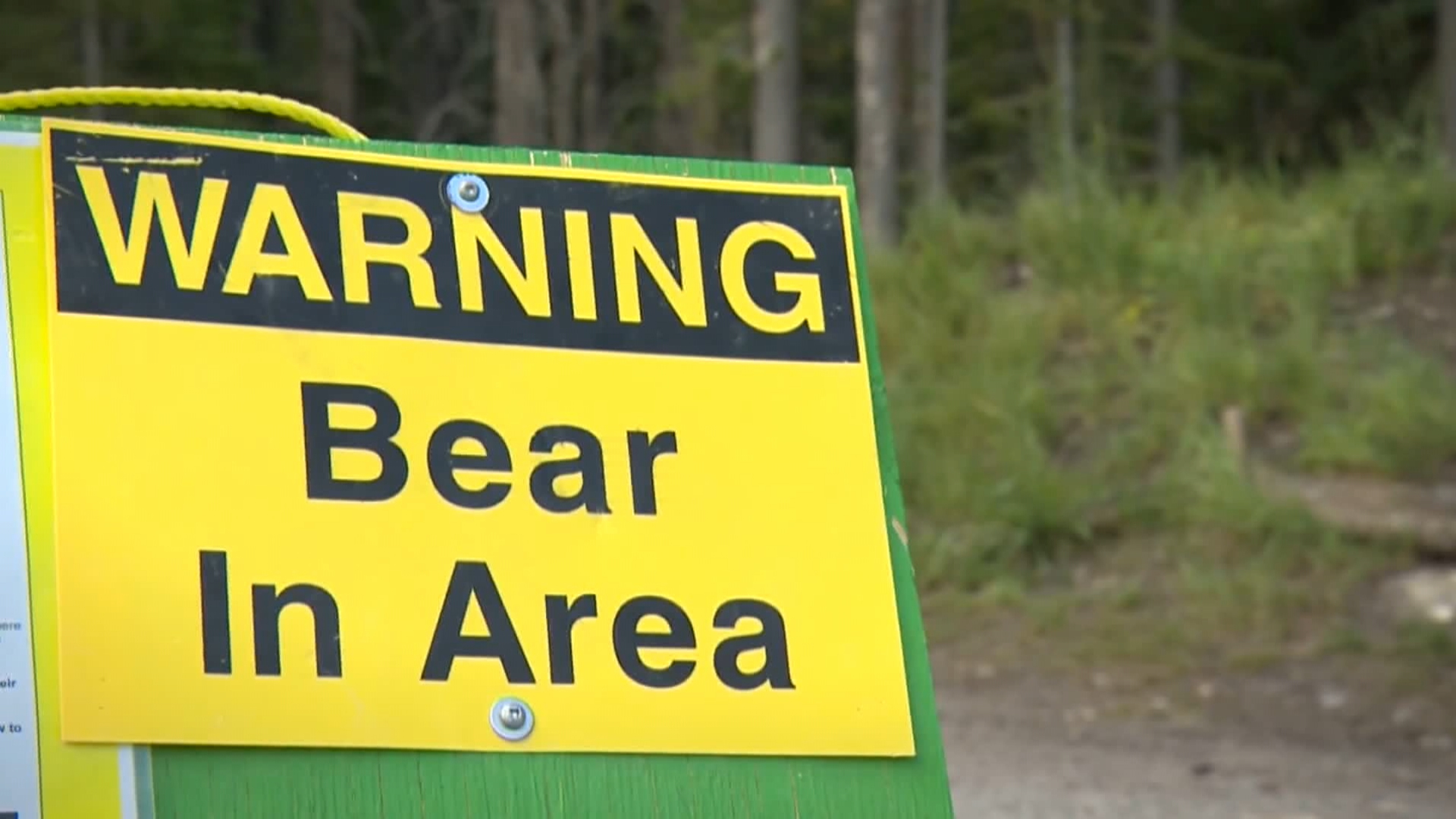
Alberta Parks officials didn't issue the recent warnings because they want to scare people away from the Highwood and Picklejar areas. They issued them because the grizzly bears there are currently speaking a language we often fail to translate.
When a bear charges and stops short—skidding to a halt just feet from a human—it isn't a failed hunt. It’s a boundary dispute. Imagine a hypothetical hiker named Elias. He’s focused on his breath, the burn in his glutes, and the perfect framing of a photo for his social feed. He rounds a corner near a thicket of buffalo berries. He has unintentionally walked into the bear's living room.
The bear doesn't want to eat Elias. Predation on humans by grizzlies is incredibly rare. What the bear wants is space. It wants the intruder to acknowledge that this particular patch of earth belongs to the Ursus arctos horribilis. The bluff charge is a scream of "Get out."
When these two hikers were charged, the bear was essentially drawing a line in the sand with its claws. The fact that the bear stopped is a testament to its restraint, not a stroke of luck. But restraint has a shelf life. As the trails grow more crowded, the "stress budget" of these animals begins to bottom out.
The High Cost of the Highwood
Kananaskis isn't a national park like Banff. It is a working wilderness, a place where the proximity of Calgary’s urban sprawl meets the raw, jagged edges of the continental divide. This proximity creates a friction point.
The biological reality of the Rockies is that the best land for bears is often the best land for trails. We both like the valley bottoms. We both like the lush, green corridors where the sun hits the mountain face. In the spring and early summer, as the snow recedes to the peaks, bears are pushed down into the same narrow bands of terrain where we lace up our boots.
The statistics are sobering but often ignored. A grizzly bear needs to consume roughly 20,000 calories a day to prepare for the long sleep of winter. Finding those calories in a landscape of rock and ice is a full-time job. Every time a hiker inadvertently forces a bear to run, to defend a cub, or to abandon a carcass, that bear loses precious energy.
The warning issued for the Highwood and Picklejar Lakes area isn't just about human safety. It is an attempt to give the bears a break from the constant, low-grade adrenaline of human encounters.
The Gear and the Gap
Walk into any outdoor retailer in Alberta and you will see the rows of orange canisters. Bear spray. It is the ultimate security blanket. We clip it to our belts and feel a sense of mechanical superiority.
But there is a gap between owning the tool and knowing the moment.
Consider the mechanics of a bluff charge. You have less than three seconds to react. If your spray is tucked inside your backpack, you are carrying a very expensive piece of plastic that will do nothing but sit at the bottom of a bag while the bear decides your fate.
The two individuals who were charged last week were lucky. They stood their ground. That is the counter-intuitive secret of the mountain. Every instinct in the human brain, honed over millennia of evolution, screams at you to run. Running is the worst thing you can do. To a grizzly, something that runs is prey. To stay still—to stand like a mountain yourself—is to signal that you are not a victim, but a misunderstanding that is currently correcting itself.
We talk about "bear country" as if it is a destination we visit. We forget that for the bear, it is simply home. When we enter these zones, we are the ones breaking the social contract of the woods.
The Weight of the Warning
The current warnings aren't just suggestions. They are a plea for a shift in perspective.
When Alberta Parks closes a trail or issues a formal notice, they are responding to a specific behavioral pattern. A bear that bluff charges once is a bear that is stressed. A bear that bluff charges three times is a bear that might soon stop stopping.
If a bear makes contact, even if it was "pushed" into doing so by a careless hiker, the ending is almost always the same for the animal. It is relocated—often a death sentence as they try to navigate back to their home range through highways and competitors—or it is destroyed.
The "invisible stakes" of your weekend hike are the lives of the apex predators that make the Canadian West what it is. A Kananaskis without grizzlies is just a collection of rocks and trees. It loses its soul. It loses the element of danger that, if we are honest, is exactly why we find it so beautiful.
Survival is a Shared Responsibility
So, what does it look like to move through the Highwood with respect?
It looks like noise. Not the rhythmic clicking of trekking poles, which can sound like the ticking of a clock to a bear, but the human voice. Singing, shouting, or simply talking loudly. It is the most effective way to prevent a bluff charge because it removes the element of surprise. A bear that hears you coming from a hundred yards away will almost always move off the trail. They find us as annoying as we find traffic jams.
It also looks like situational awareness. It means taking the earbuds out. The "holistic" experience of nature—to use a term often abused by lifestyle gurus—is actually a survival requirement. You need to hear the rustle in the alders. You need to smell the carrion if there is a carcass nearby. You need to be present in your body, not lost in a podcast.
The two people who survived those charges last week walked away with a story that will last a lifetime. They felt the wind of a grizzly’s passage. They saw the sheer power of an animal that could have ended them in a heartbeat but chose not to.
The warning remains in place. The mountains are still there, indifferent to our schedules. The grizzly is still there, too, watching the trail, waiting for the next person to round the corner without saying hello first.
The trail is narrow. The brush is thick. Your voice is the only thing that can bridge the gap between a peaceful hike and a desperate stand.
Speak up.
Listen.
Remember whose house you are walking through.