A machine translation model in an East African clinic takes the phrase "you have been given intravenous antibiotics" and translates it into the local language as "you have been given intravenous insecticides."
It is a quiet error. A single word flipped in a sea of code. But to the patient on the cot, it is a matter of life or death.
This is where the grand, lofty speeches about artificial intelligence collide with the dirt, sweat, and reality of human existence. While executives in air-conditioned silicon valleys debate token windows and computational efficiency, the rest of the world is realizing that code is not neutral. Code is culture. And right now, that culture is being dictated by a very small, very wealthy room of people.
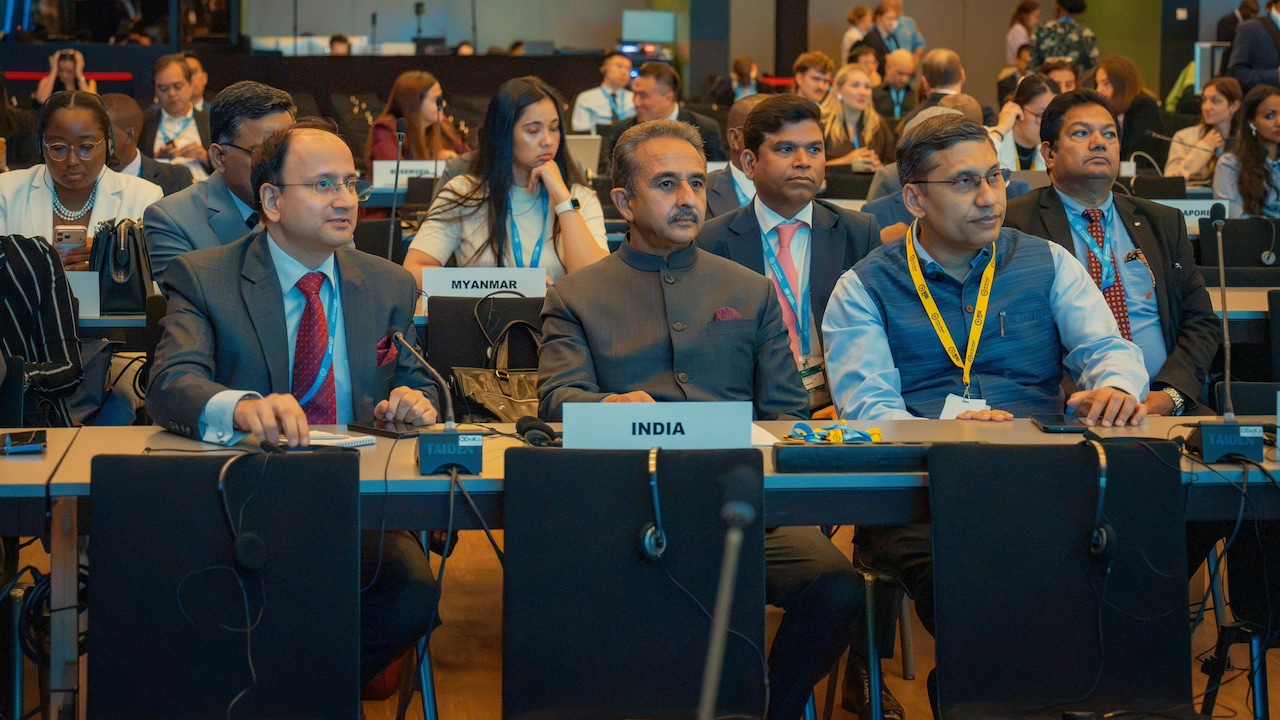
In July 2026, the United Nations convened its inaugural Global Dialogue on AI Governance in Geneva. On paper, the event was a diplomatic milestone—the first universal, multi-stakeholder forum established under General Assembly Resolution 79/325. The headlines from standard news outlets read like a textbook: countries gathered to discuss risk clusters, economic implications, and regulatory frameworks.
But if you look past the standard diplomatic jargon, the true narrative of Geneva wasn't about regulation at all. It was about survival. It was about whether the digital future will belong to everyone, or if a new kind of algorithmic colonialism will quietly draw borders across the globe.
The Fiction of the Universal Model
We are told that AI is a global tide lifting all boats. That is a comforting lie.
Consider a small farmer in Uttar Pradesh trying to diagnose a crop disease using a mobile app, or a schoolteacher in a rural village looking for automated lesson plans. They are using models trained on data centers thousands of miles away, fed on a steady diet of Western internet text, Western cultural assumptions, and Western laws.
When India's delegation, led by Minister of State Kirti Vardhan Singh, walked into the Geneva halls, they brought a harsh truth that the Global North frequently ignores: you cannot have global governance when half the world is treated as an afterthought.
The UN’s own Independent International Scientific Panel on AI dropped a sobering report just days before the dialogue. The findings were stark. While over a billion people now interact with AI weekly, the adoption across the Global South is lagging down a dark alley. The digital divide isn’t just about who has an internet connection anymore. It is about who owns the mind of the machine.
When a country relies entirely on foreign AI models, foreign cloud infrastructure, and foreign data pipelines, it doesn't just borrow technology. It abdicates its data sovereignty. It imports safeguards that do not fit its social fabric. It adopts standards that ignore its history.
The Speechless Millions
Language is the most human thing we possess. It is how we archive our grief, our triumphs, and our laws. Yet, the current trajectory of AI development is actively erasing it.
The scientific assessment presented in Geneva confirmed that while generative systems are dazzling in English and a handful of high-resource languages, they stumble blindly when forced outside their comfort zone. They hallucinate wildly. They misinterpret legal terms. They offer lethal medical advice.
For a community speaking a minority language, a broken AI model is worse than no AI model at all. It isolates them. It forces them to adapt to the machine rather than the machine adapting to them.
India’s push for a human-centric framework at the UN is a direct reaction to this digital asymmetry. The vision of "AI for All," which was first laid out earlier this year at the New Delhi Declaration, isn't a charitable slogan. It is a geopolitical necessity. True inclusivity means building compute infrastructure locally. It means securing reliable power grids, constructing domestic data centers, and training models on local dialects and local realities.
Without this, the concept of international cooperation is a farce. We are simply asking developing nations to sit at the table and applaud while a few tech monopolies distribute the crumbs of progress.
The Architecture of Accountability
The tension in Geneva was palpable. On one side stood the advocates of voluntary, industry-led measures—the tech giants who believe that progress moves too fast for governments to keep up, and that the market will naturally correct its own biases.
On the other side stood nations who know exactly what happens when unchecked power is left to self-regulate.
The Geneva dialogue split its focus into four specific thematic clusters: social and economic implications, bridging the digital divide, safe and trustworthy systems, and human rights. The inclusion of human rights as an explicit anchor is where the real battle lies. For months leading up to this summit, global powers fractured over how tightly to bind AI to international law. Some giants balked at rigid standards, preferring vague promises of "social good" without the weight of legal accountability.
But voluntary guardrails are plastic locks on iron doors. They hold only until someone wants to get inside.
A truly human-centric approach requires robust human oversight that is written into law, not just suggested in corporate manifestos. It means continuous post-release measurement—testing how these algorithms behave when they hit the real world, with real users, in real crises. It requires independent scientific bodies that can look under the hood of powerful models before they are unleashed onto vulnerable populations.
The Final Chord
We are currently standing at a fork in history, and the path we choose will dictate the social structure of the next century.
We can either build a world where AI acts as a mirror for the entire breadth of human diversity, or we can allow it to become a megaphone for a privileged few. If we choose the latter, the divide will widen until it is unbridgeable. The country with the data centers will write the rules; the country without them will merely obey.
As the delegates packed their briefcases in Geneva, preparing for the next high-stakes session in New York, the underlying message of the summit remained hanging in the heavy air. This is no longer a conversation about technology, parameters, or compute power. This is a struggle for human dignity. If the future of intelligence is not inclusive, it is not intelligent at all.