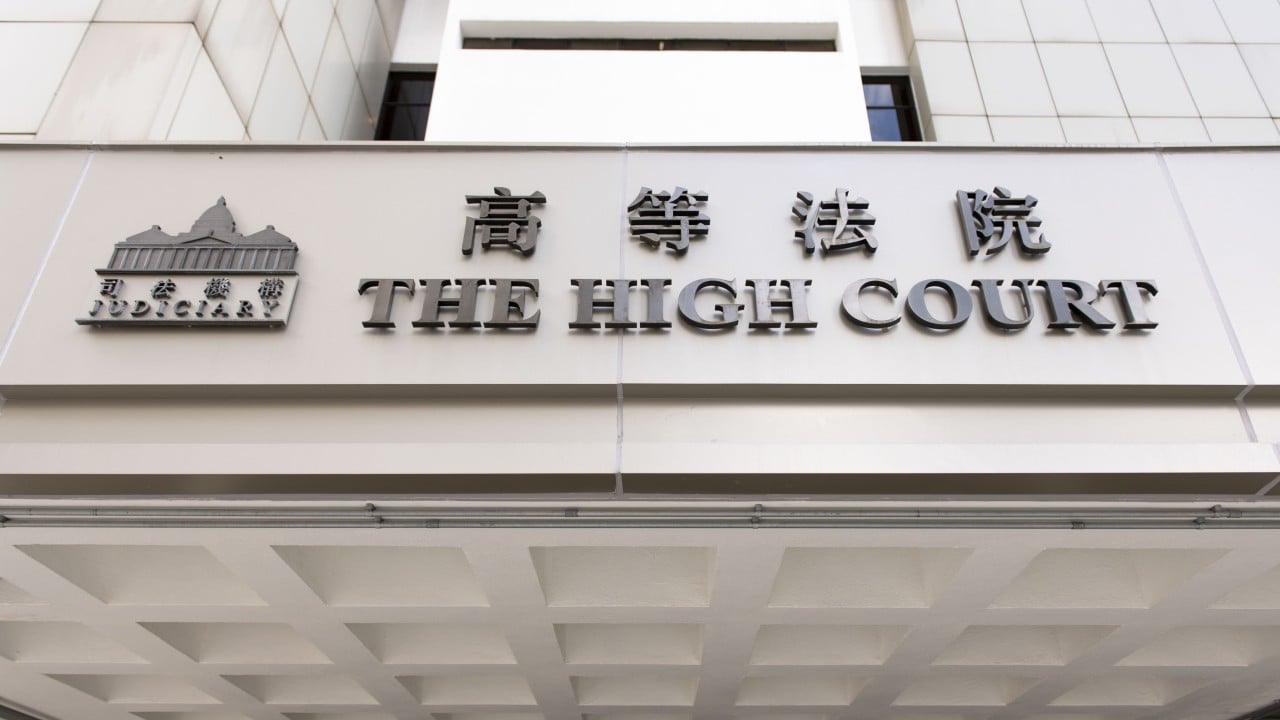
Preventing systemic abuse within private educational facilities requires evaluating how oversight structures fail to intercept bad actors before harm occurs. When a Hong Kong tutorial centre operator received a sentence of six years and four months for molesting five minors, public discourse typically focuses on the severity of the penal outcome. A rigorous operational audit, however, demands an examination of the systemic vulnerabilities that allowed the abuse to happen across an extended timeline. Private tutoring enterprises operate in regulatory grey areas compared to mainstream schools, creating structural blind spots in child protection mechanisms.
The Regulatory Gap in Private Supplemental Education
Mainstream educational institutions operate under strict administrative oversight, mandatory reporting thresholds, and standardized background verification protocols. Private tutorial centers, by contrast, frequently function as small commercial entities governed primarily by business registration laws rather than comprehensive educational compliance frameworks.
This creates a structural dichotomy in institutional safety:
- High-Oversight Environments: Multiple layers of administration, peer observation, mandatory child protection training, and formalized escalation pathways for behavioral anomalies.
- Low-Oversight Environments: Isolated authority structures, single-operator leverage over clients, and an absence of independent third-party monitoring.
In the case of the convicted center owner, the physical and operational isolation of the workspace served as a primary risk vector. When authority is centralized in a single individual who controls both the instructional delivery and the client relationship, the feedback loop required to detect predatory behavior is broken. Parents prioritize academic outcomes over environmental safety audits, creating an implicit blind spot that perpetrators exploit.
Asymmetry of Information and the Parent-Client Vulnerability
The consumer dynamic between parents and private educators relies heavily on an asymmetry of information. Parents purchase educational credentials and perceived academic prestige while lacking visibility into day-to-day operational practices behind closed doors.
Predatory actors within educational micro-environments typically execute a distinct behavioral sequence to maintain operational security:
- Isolation: Restricting parental observation during instructional periods under the guise of maintaining pedagogical focus or preventing student distraction.
- Authority Reinforcement: Cultivating intense dependence from both students and parents by positioning the instructor as an indispensable catalyst for academic success.
- Boundary Erosion: Gradual escalation from minor boundary transgressions to severe violations, shielded by the social capital the operator has accumulated within the local community.
The economic incentive structure further distorts reporting incentives. Because parents invest significant financial capital into boutique tutoring for competitive advantage, they often experience cognitive dissonance when confronted with indicators of inappropriate conduct, preferring to rationalize warning signs rather than disrupt their child's educational trajectory.
Systemic Prevention and Institutional Design
Mitigating risk in decentralized educational sectors requires replacing trust-based assumptions with verifiable operational controls. Reliance on punitive sentencing post-incident addresses the legal outcome but fails to mitigate the initial harm vector.
Effective reform necessitates structural mandates across three operational dimensions:
- Transparent Architectural Standards: Requiring open-layout instructional spaces or mandatory real-time digital monitoring for all one-on-one or small-group private tutoring sessions.
- Comprehensive Credentialing: Implementing mandatory, recurring criminal record checks and psychological screening for all individuals operating private educational facilities that interact with minors.
- Whistleblower Infrastructure: Establishing direct, anonymous reporting channels for students and junior staff that bypass the administrative hierarchy of the individual tutorial center.
Until regulatory frameworks mandate these safeguards uniformly across both public and private educational domains, individual operators will continue to exploit the structural gaps inherent in isolated learning environments. The six-year sentence imposed in this case represents a terminal legal reaction to a failure of preventive architecture, highlighting the need for systemic oversight reform in supplemental education markets.