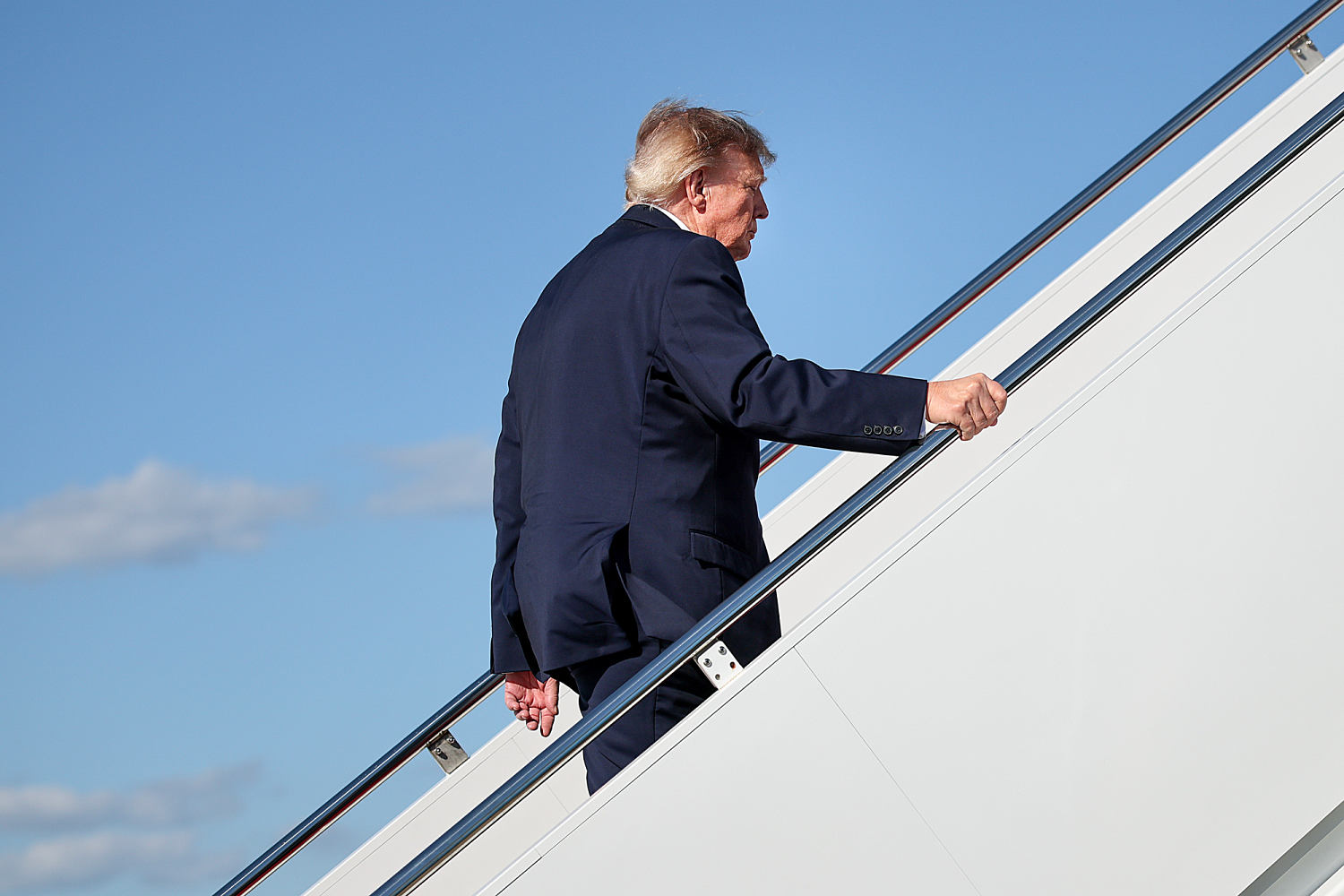
The tension between executive administrations and the Fourth Estate is rarely a quiet affair, but certain flashpoints expose the fragile architecture governing who gets to report on the presidency. When the White House ejected a major news outlet from the traveling press pool ahead of a presidential trip to Nebraska, the move immediately reverberated across newsrooms in Washington and beyond. Official explanations offered procedural justifications, yet seasoned observers recognized the familiar friction of media access acting as both a logistical necessity and an instrument of political leverage.
For decades, the protective pool system has operated as an imperfect yet vital compromise. A handful of reporters and camera operators represent the broader press corps, flying aboard Air Force One and documenting events that would otherwise occur behind closed doors. Removing a prominent organization from that rotation alters the operational dynamic entirely. It sends an unmistakable signal about institutional friction, raising immediate questions regarding transparency, retaliation, and the boundaries of executive communication.
The Machinery of Access and Exclusion
Access is the ultimate currency in political journalism. Without physical proximity to the principal, reporting risks devolving into sterile official statements and heavily managed press briefings. The traveling pool exists precisely to bypass those sanitized channels, offering an unscripted lens into executive travel, impromptu availability, and the raw environment of presidential movements.
When that access is revoked or restricted based on editorial disagreements, the threshold for public accountability shifts. Administrations across different political parties have historically clashed with reporters over coverage tone, leaked information, or perceived bias. However, utilizing pool placement as a disciplinary tool transforms a shared logistical framework into a battleground.
The Nebraska trip itself involved regional policy discussions and political rallies, standard components of modern executive travel. Yet the story quickly shifted away from the policy announcements on the ground and toward the empty seat on the press charter. News organizations depend on collective solidarity in these moments, knowing that a penalty levied against one outlet threatens the operational independence of all.
Precedents Set in the West Wing
History reveals a recurring pattern of media blacklists and credential battles. Past administrations have deployed various methods to express displeasure with critical reporting, ranging from restricted question allowances during formal conferences to outright bans from specific briefings. Each instance forces a recalibration of how reporters push back against administrative pressure without compromising their primary mission of informing the public.
The argument frequently advanced by communications teams centers on space limitations or logistical equity among hundreds of accredited organizations. Yet journalists quickly point out the distinction between routine rotating slots and targeted exclusions. When an organization known for breaking investigative stories on administration policy finds itself off the manifest, coincidence is rarely the primary suspect.
This cat-and-mouse game relies on a delicate balance of leverage. The White House commands the venue, the schedule, and the transportation. The press corps commands public attention and historical record. When the administration attempts to dictate the composition of the journalistic watchdog, it challenges the fundamental premise of a free press operating independently of state approval.
The Broader Impact on Public Trust
The friction between reporters and executive staff ultimately filters down to the electorate. In an era marked by deep skepticism toward institutional media, public disputes over press access tend to polarize rather than clarify. Supporters of the administration often view such exclusions as justified pushback against unfair coverage, while critics interpret the move as a dangerous slide toward censorship and evasion of scrutiny.
Navigating this environment requires reporters to maintain rigorous standards while refusing to be cowed by administrative penalties. The core obligation remains unchanged, focusing on facts, context, and holding power accountable regardless of seating arrangements on an aircraft.
As presidential campaigns evolve and digital media fragments the traditional press corps further, the rules governing physical access will face even greater stress tests. The Nebraska incident serves as a clear reminder that the architecture of American political journalism is constantly under negotiation, shaped as much by executive will as by the collective resistance of those assigned to watch the seat of power.


