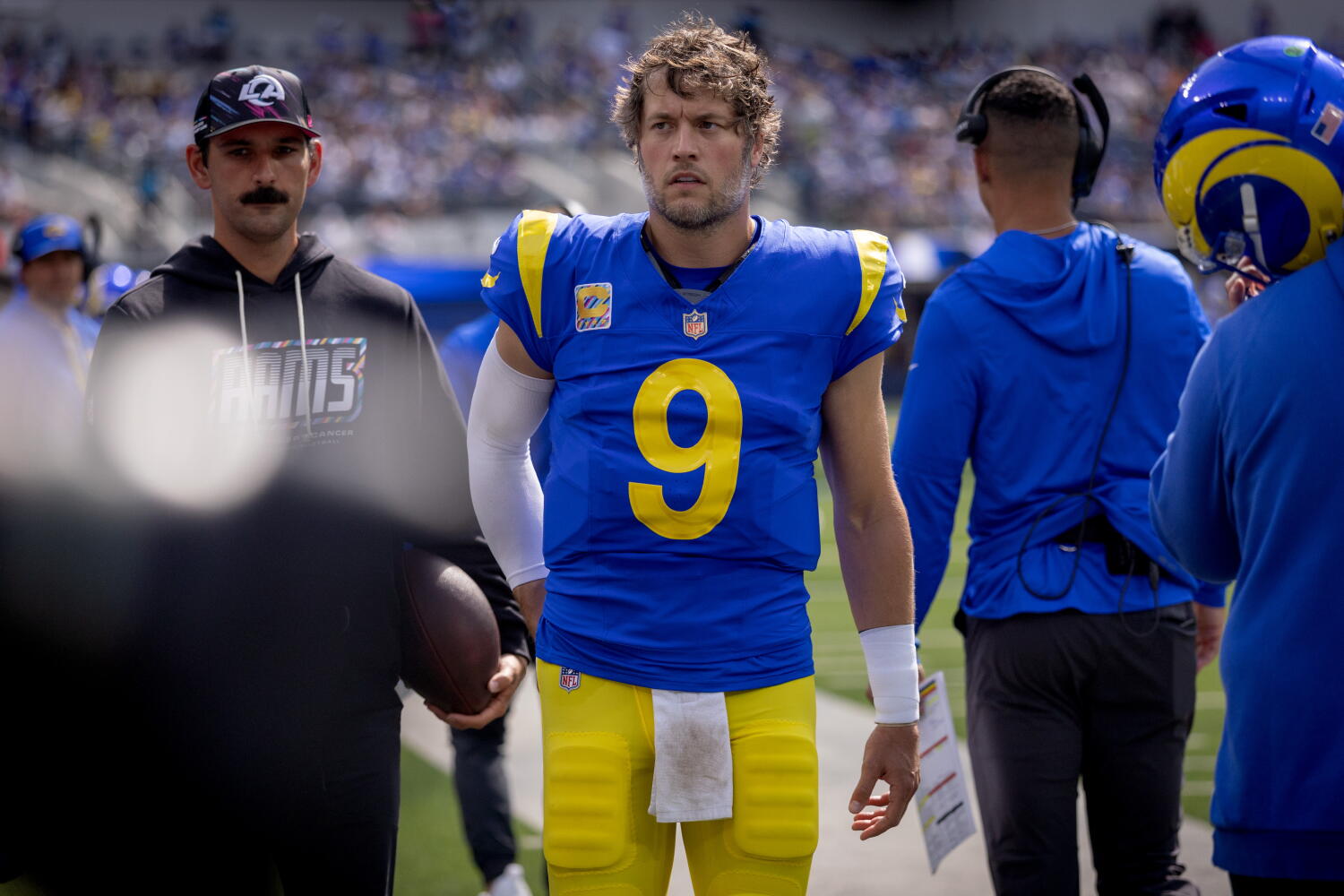
Week 7 of the NFL season rarely arrives quietly, but the friction points generated across the schedule exposed deeper structural truths about contenders and pretenders alike. While casual observers fixated on the marquee matchups, the real narrative of the week centered on how tactical discipline dismantled high-priced blueprints. The Seattle Seahawks did not merely defeat the Kansas City Chiefs; they provided a masterclass in defensive containment that stripped away the illusion of offensive invincibility, while the Los Angeles Rams methodically tore through the Las Vegas Raiders to keep pace in a claustrophobic division race.
Decoding the Seattle Blueprint
When teams face Patrick Mahomes and a surging Kansas City offense, the standard panic response involves heavy blitz packages and high-risk man coverage. Seattle coordinator Mike Macdonald threw that textbook into the Pacific. Instead, the Seahawks chose a calculated, patient restraint that completely neutralized the reigning Super Bowl MVP and former Seattle star running back Kenneth Walker III.
The statistics tell a stark story of containment. Walker, who had been carving up opponents with ruthless efficiency earlier in the year, found himself suffocated behind the line of scrimmage, restricted to a meager 36 yards on 14 carries. It was an exercise in gap integrity. Rather than over-pursuing, the Seattle front seven maintained discipline, forcing Kansas City into predictable passing situations where the secondary could sit back in zone shells.
By the time the clock ran down on a 20-3 final score, Mahomes was left checking down into a blanket of white jerseys, failing to generate a single wide receiver reception over 20 yards. It was a stark reminder that modern defensive brilliance relies less on raw athletic blitzing and more on spatial geometry. When you take away the explosive run and compress the vertical field, even the most dynamic signal-callers begin to look human.
The Los Angeles Counter-Punch
Down south, the Rams understood the psychological weight of the Sunday slate. Knowing that any slip-up would leave them buried in the NFC West basement, Sean McVay’s squad approached their contest against Las Vegas with an aggressive, early-down efficiency that built a commanding 28-6 halftime advantage.
Matthew Stafford operated with the clinical precision of a surgeon who had seen every coverage shell known to modern football. By leaning heavily on quick rhythm throws to Puka Nacua and establishing a punishing ground game led by Kyren Williams, Los Angeles avoided the stagnant stretches that plagued their early-season outings. The Raiders attempted a second-half adjustment, but the structural damage was already done.
More importantly, this victory put immediate pressure back on Seattle. In a conference as unforgiving as the NFC, breathing room is a temporary illusion. The Rams proved that offensive consistency—sustained through precise timing rather than sheer luck—remains the ultimate weapon against rebuilding or undisciplined defenses.
The Cost of Complacency
Every October slate acts as an early filter. Teams that rely purely on talent masking structural flaws get exposed. Kansas City walked out of Lumen Field with plenty of film to review, discovering that when the running game stalls, their wide receiver room lacks the dynamic separation required to bail them out against elite zone defenses.
Football at this level is an iterative chess match. The teams that survive the grueling 18-week march are not necessarily the ones with the most explosive talent on paper, but the ones capable of self-scouting and ruthlessly exploiting opponent tendencies before November arrives. Seattle found their identity in the trenches, Los Angeles rediscovered their offensive rhythm, and the rest of the league was left scrambling to rewrite their playbooks.