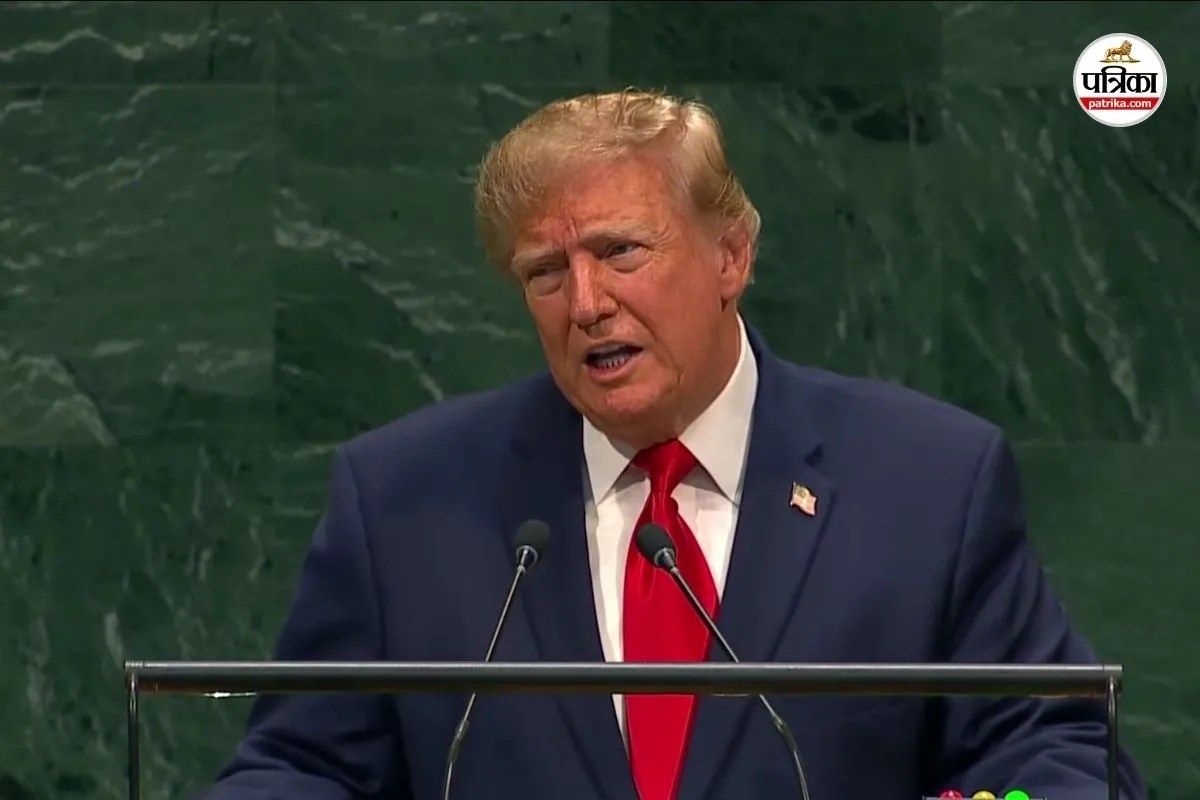
The diplomatic chasm between Washington and Tehran has settled into a grinding, high-stakes stalemate. President Donald Trump has repeatedly insisted that the military phase of the conflict has achieved its core objectives, asserting publicly that the United States does not fundamentally need a negotiated settlement on Iranian terms. Yet, beneath the rhetoric of total victory and triumphant speeches, an intractable crisis of sequencing persists in indirect channels.
At the center of this diplomatic paralysis is a profound disagreement over what happens first. Tehran demands that the United States lift its naval blockade, release billions in frozen assets, and restore oil sales before any substantive dialogue can even begin. Washington, backed by regional allies and an enduring enforcement apparatus like Operation Iron Gate, demands immediate, verifiable concessions on the nuclear file and reciprocal steps from the outset. Neither side is willing to blink first, and time has become the primary weapon in a war of attrition that neither Washington nor Tehran can easily close out.
To understand why this deadlock feels so permanent, one must examine the fundamental incompatibility of the two leadership styles at play. In Washington, foreign policy is often treated as a transactional exercise where maximum economic and military pressure is leveraged to extract an immediate, comprehensive surrender of capabilities. In Tehran, the political survival of the regime depends on projecting unyielding defiance, resulting in a public posture that frames rigid preconditions not as negotiation points, but as non-negotiable demands of sovereignty.
When state actors lock themselves into public corners, the room for diplomatic maneuver evaporates. Iranian hardliners continue to insist that Washington must accept a laundry list of seven conditions—including financial restitution and complete military withdrawal from surrounding waters—before they will entertain talks. Simultaneously, American officials dismiss these terms as complete non-starters, pointing to the structural degradation of Iran's conventional military posture as proof that Washington holds the upper hand.
Yet, controlling the skies and sinking naval vessels does not automatically translate into political compliance. The U.S. naval blockade continues to squeeze Iran's economy, creating immense domestic strain, but it also hardens the internal political alignment around hardline factions who use external aggression to justify internal crackdowns. Meanwhile, Gulf states watch anxiously, well aware that a prolonged stalemate carries the constant risk of asymmetric spillover across regional energy corridors.
The fundamental miscalculation on both sides lies in the belief that time is an infinite resource. Washington assumes that sustained economic isolation will eventually force Tehran's leadership to capitulate unconditionally. Tehran calculates that domestic political pressures in Western democracies and the war fatigue of allies will eventually cause the American coalition to fracture, allowing Iran to outlast the pressure campaign.
As long as these parallel assumptions dictate strategy, the conflict will remain trapped in a perpetual loop of posturing and minimal engagement. There is no middle ground currently visible because both capitals view compromise as a sign of fatal weakness. Until one side experiences an internal shock or an external economic threshold that shatters its baseline assumptions, the current standoff will grind forward, defined not by active breakthroughs, but by a shared, stubborn refusal to yield an inch of ground.