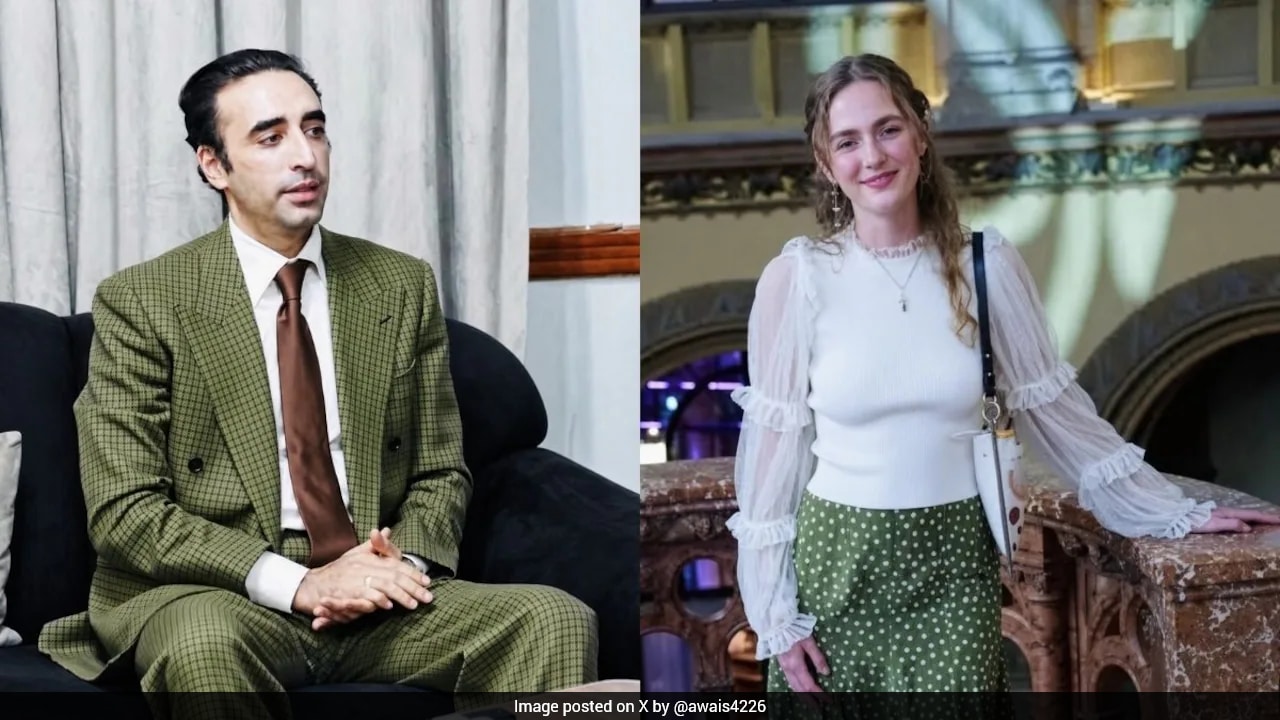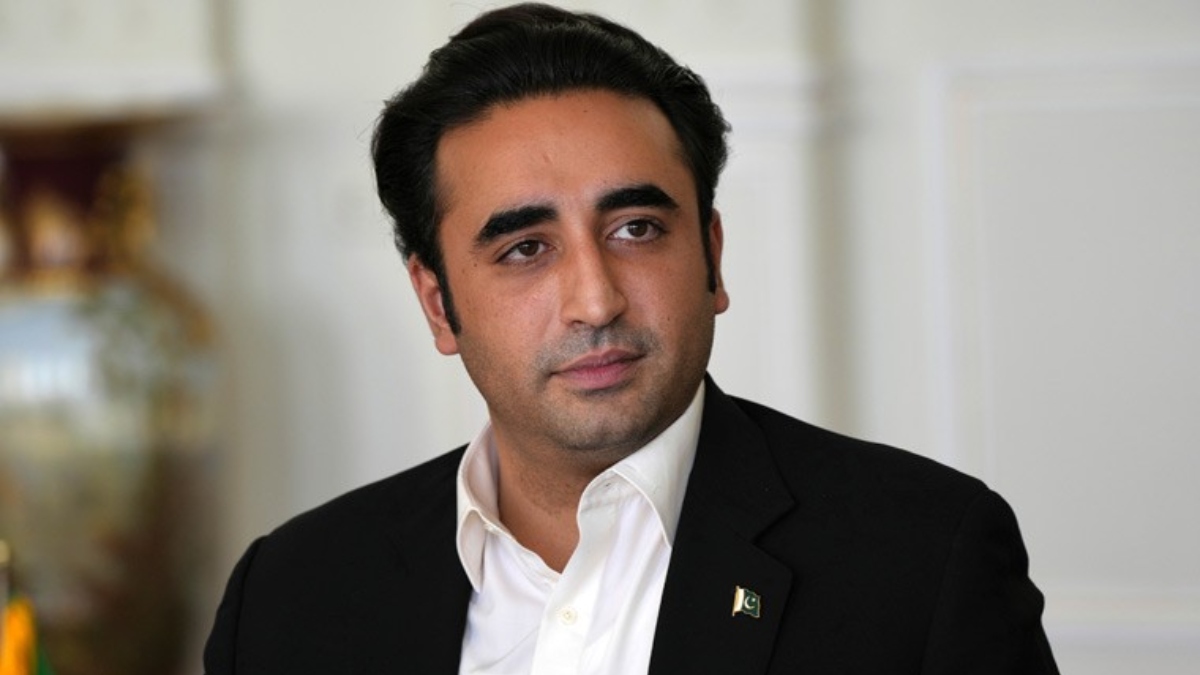
The digital ecosystem thrives on a very specific kind of fiction, one where dynastic politics meets high-society fairy tales. When rumors exploded across social platforms claiming that Pakistan Peoples Party Chairman Bilawal Bhutto Zardari was set to marry into European royalty, specifically linking his family to an Austrian connection or a private trip by President Asif Ali Zardari to Liechtenstein, the machinery of modern political gossip instantly went into overdrive. Within hours, stories about a Vaduz-based bride and a late-year wedding date were ricocheting across news aggregators and feeds.
The reality behind these viral claims is far more mundane, yet far more revealing about how information travels, mutates, and weaponizes curiosity in South Asian politics. Karachi Mayor and senior party spokesperson Murtaza Wahab moved swiftly to douse the flames, explicitly labeling the reports incorrect and unfounded. There is no royal engagement. There is no verified European bride. Yet the persistence of these narratives points to a deeper truth about public fascination with the private lives of political figures, and why the machinery of speculation rarely slows down simply because facts get in the way.
Dynastic politics operates under a microscope that never cools. When a prominent political leader remains unmarried past the traditional age bracket in a conservative society, the vacuum left by their private life is inevitably filled by public imagination. Bilawal Bhutto Zardari occupies a unique space in this dynamic. As the son of the late Prime Minister Benazir Bhutto and current President Asif Ali Zardari, every personal milestone, or the perceived lack thereof, becomes a matter of intense public commentary.
Over the years, the politician has occasionally addressed the inevitable questions with dry humor. During the United Nations General Assembly sessions and earlier press interactions, casual inquiries about his marital status were met with lighthearted remarks about how any future partner would first need to navigate the formidable task of winning over his sisters. These harmless soundbites, however, do little to starve an online ecosystem that prefers elaborate conspiracy and romantic matchmaking over simple reality.
The latest fabrication took a more sophisticated turn by dragging European microstates and alleged royal lineages into the mix. By tying President Zardari's movements to picturesque alpine settings like Vaduz, the architects of the rumor gave their fiction a veneer of international intrigue. It is a classic playbook maneuver. Take a grain of truth, such as a high-profile figure traveling abroad for private or political reasons, and graft an entirely imaginary narrative onto it.
Digital platforms reward this friction. Algorithms amplify wedding rumors because romantic speculation drives high-engagement traffic in a way that dry political policy updates never can. Mainstream outlets, caught in the relentless 24-hour cycle of chasing trending topics, often amplify the noise before verifying the source. By the time an official denial is issued, the story has already mutated into multiple new iterations across regional language channels and microblogging networks.
The political cost of these rumors is rarely catastrophic, but they serve as a constant distraction. In a country grappling with severe economic pressures, governance challenges, and intense partisan polarization, the media bandwidth consumed by speculative matchmaking highlights a peculiar structural obsession. Public figures in dynastic parties are treated as cultural commodities whose personal trajectories belong to the state.
Examining the anatomy of this recent fabrication reveals how easily public perception can be hijacked by anonymous social media accounts posing as insider sources. The claims originated not from recognized diplomatic channels or verified investigative reporting, but from the murky depths of unverified rumor mills that trade in sensationalism. When local party leadership stepped in to issue categorical denials, they were merely performing a necessary ritual of correcting the record against an opponent that has infinite stamina.
The broader lesson extends far beyond the political circles of Islamabad or Karachi. We live in an information environment where the barrier to creating a convincing falsehood has never been lower. Whether the target is a celebrity, a corporate executive, or a political leader, the modern attention economy incentivizes the rapid manufacture of compelling narratives over verifiable facts.
As long as public curiosity remains insatiable, the rumor machine will continue to invent European princesses, secret diplomatic pacts, and dramatic late-year wedding ceremonies out of thin air. The facts remain straightforward: an unfounded internet story collapsed under the weight of actual verification. Until the next fabricated romance takes its place, the public is left to sift through the digital debris of an internet that prefers a good fairy tale to the boring truth.