The iron grip of the Republican party on the Lone Star State is showing structural fractures that no amount of traditional party machinery can ignore. Federal Election Commission filings reveal that MAGA, Inc., the primary pro-Trump super PAC, deployed a $10 million television and digital advertising blitz into the Texas Senate race to rescue Republican nominee Ken Paxton. This financial intervention marks the very first major general election expenditure of the midterm cycle for Donald Trump’s operation. It lays bare a desperate reality behind closed doors in Washington and Austin. A seat that should be safely locked in the red column is suddenly a live-wire battleground.
Democrat James Talarico, a 37-year-old state representative, has managed to turn what should have been a routine defense into an existential panic for the GOP. For months, Republican leadership watched with growing dread as public disapproval over economic headwinds and foreign policy weighed down the administration. Party strategists understood that if Texas becomes competitive, the math required to hold the Senate majority collapses. Senate Majority Leader John Thune publicly pleaded with the White House to deploy resources to the state, stating flatly that Republicans cannot afford to lose the ground.
The friction between party establishment goals and Trump’s personal financial command centers had delayed the rescue mission. While the super PAC sat on a war chest exceeding $400 million, candidates across the country spent the summer sweating through empty mailbox cycles. Donors and consultants privately voiced fears that the billions controlled within the orbit of the executive branch would be funneled toward non-electoral priorities, such as legal expenses, archival projects, or future political infrastructure. Trump made his perspective explicit to reporters, noting that the treasury belongs strictly to his discretion.
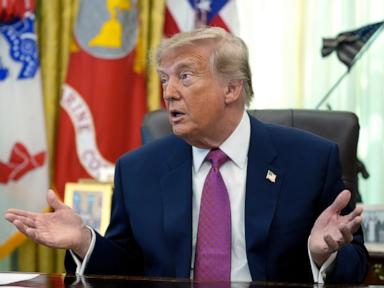
"This is my money that I control," Trump remarked when questioned about the delays, asserting his autonomy over the committee funds.
That independence created a tense standoff that ended only when internal polling numbers from Texas signaled an undeniable emergency. Ken Paxton secured his nomination by defeating incumbent Senator John Cornyn in a brutal primary runoff. That primary victory relied entirely on a late presidential endorsement, but it left the general election ticket saddled with a nominee who carries substantial baggage and institutional skepticism. Even Trump acknowledged these hurdles publicly, offering a backhanded defense of his candidate's public appeal.
The newly minted $10 million ad buy splits evenly down the middle. Five million dollars targets local airwaves and digital screens to build up Paxton, while an identical sum funds aggressive opposition research painting Talarico as a high-tax risk to the state economy. It mirrors a broader defensive posture as billionaires like Elon Musk also begin funneling independent resources into the state to counter the Democratic momentum.
Yet, pumping super PAC cash into a television market like Texas is an expensive proposition that highlights structural inefficiencies. Campaign committees benefit from legally mandated discounted broadcast rates, whereas independent expenditure groups like MAGA, Inc. must pay top-dollar commercial rates for every spot they air. Every external dollar spent by the PAC buys significantly less airtime than a dollar originating directly from a candidate's formal campaign account. This dynamic forces the political apparatus to burn through massive chunks of liquidity just to maintain parity in major media markets like Dallas, Houston, and Austin.
The deeper vulnerability for the GOP lies in the changing demographics of suburban counties that once provided comfortable margins for statewide conservative candidates. Talarico’s campaign has leaned heavily into populist economic grievances, framing the choice around cost-of-living pressures rather than traditional cultural flashpoints. This strategy resonates with independent voters who feel pinched by inflation and disillusioned by partisan gridlock. When a demographic shift combines with a motivated opposition, traditional party dominance begins to erode from the edges inward.
Republicans still hold structural advantages in voter registration systems and legal ballot frameworks across the state, giving them a heavy safety net that few other regions enjoy. But the mere fact that millions in emergency cash had to be deployed to Texas before the autumn leaves even turn color alters the entire national map for the midterms.
The check has cleared, the commercials are flooding the airwaves, and the outcome in the nation's largest conservative stronghold will test whether money can still override a shifting political tide.