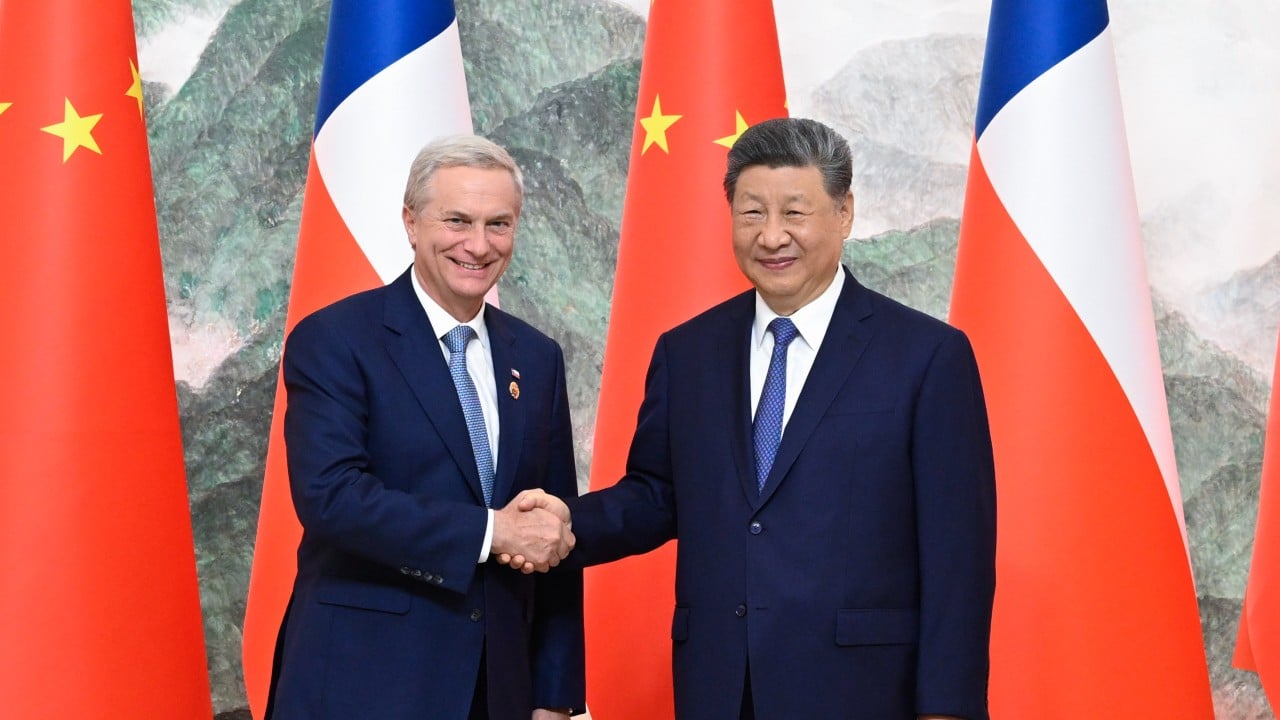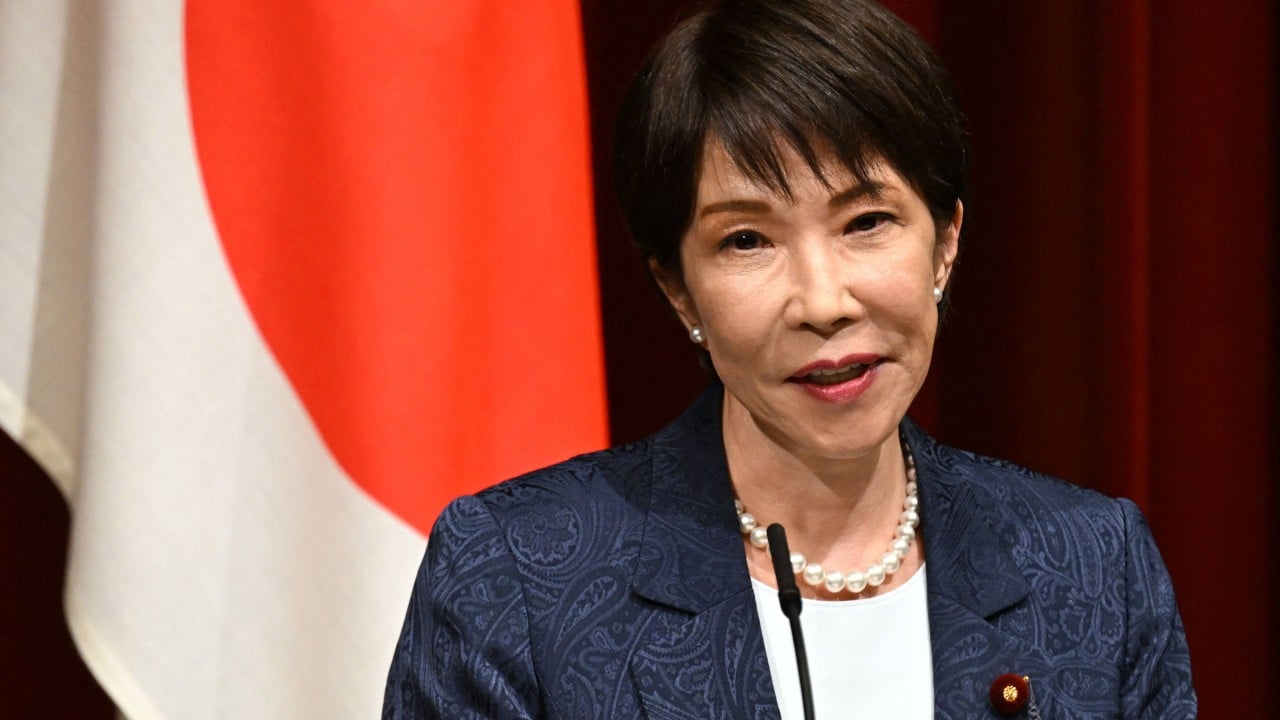
When Japanese Prime Minister Sanae Takaichi stepped onto the tarmac in Shenzhen for the 2026 Asia-Pacific Economic Cooperation summit, there were no ceremonial flowers, no welcoming orchestra, and no senior Chinese officials waiting to greet her. Inside the venue, she sat seven places away from Chinese President Xi Jinping—who was flanked warmly by Donald Trump—and left Guangdong province without securing a single minute of formal bilateral talks.
The immediate cause of this diplomatic freeze is well-documented. In November 2025, Takaichi shattered decades of calculated Japanese strategic ambiguity by declaring in parliament that a Chinese naval blockade or invasion of Taiwan could trigger direct Japanese military intervention. One year later, the fallout has metastasized from diplomatic theater into a tangible economic drag, causing domestic approval for Takaichi’s China policy to drop to its lowest point since she took office.
The Numbers Behind the Erosion
Surface-level headlines often frame Takaichi as an untouchable conservative juggernaut, pointing to her overall cabinet approval ratings, which have hovered near or above 60 percent in several domestic surveys following her February 2026 snap election victory. Look closer at the issue-specific polling, however, and a sharp divergence appears.
A November 2026 Jiji Press survey revealed that 38.4 percent of Japanese voters now disapprove of Takaichi’s handling of China, outpacing the 33.6 percent who approve. A parallel Yomiuri Shimbun poll recorded support for her Beijing strategy slipping to 44 percent, the lowest mark across five consecutive surveys. For a prime minister who rode a wave of nationalist fervor to power in October 2025, the numbers signal a quiet but consequential shift in public patience.
Voters are not suddenly turning pro-Beijing. Government data shows over 90 percent of Japanese citizens still view bilateral ties negatively. Rather, the electorate is separating ideological bravado from bread-and-butter vulnerability. When Takaichi first made her Taiwan remarks in late 2025, a Sankei Shimbun poll found 61 percent of respondents deemed the statement appropriate. Twelve months of sustained economic retaliation have altered that calculus.
How Beijing Weaponized Interdependence
China did not need to fire a shot to make Tokyo feel the weight of its displeasure. Instead, Beijing executed a calibrated squeeze targeting Japan’s most exposed economic arteries.
- Dual-Use Export Controls: Following the Taiwan remarks, China slapped strict licensing restrictions on dual-use exports to Japan. Crucially, these restrictions ensnared rare earth elements and critical processing materials where China maintains near-monopolistic control over global supply chains. Japanese manufacturers in the automotive, robotics, and defense electronics sectors have spent 2026 scrambling to qualify alternative suppliers at steep markups.
- The Tourism Tap: In 2025, Chinese visitors represented Japan’s largest single source of inbound tourism revenue. After Beijing issued formal travel advisories warning citizens against visiting Japan, monthly Chinese arrivals plunged by nearly half almost immediately. Regional economies in Kyushu, Hokkaido, and Kansai—heavily reliant on inbound retail and hospitality spending—absorbed the shock first.
- Targeted Trade Friction: Beyond headline bans, Japanese exporters have reported prolonged customs inspections, sudden regulatory audits, and stalled joint-venture approvals across mainland ports.
Beijing’s message in Shenzhen was unmistakable. By granting high-profile receptions to Trump and Russian President Vladimir Putin while visibly sidelining Takaichi, Xi Jinping sought to demonstrate to the broader Indo-Pacific that Tokyo is diplomatically isolated in its own neighborhood.
The Washington Blind Spot
A critical factor missing from most mainstream coverage of Takaichi’s APEC predicament is the shifting geometry of the US-Japan alliance. Takaichi built her foreign policy on absolute alignment with Washington, going so far as to nominate Donald Trump for the Nobel Peace Prize and commit Japan to an extraordinary $550 billion (87 trillion yen) US investment pledge to secure tariff relief.
Yet in Shenzhen, the visual optics told an uncomfortable story for Tokyo. While Takaichi endured a cold shoulder from her hosts, Trump sat directly beside Xi Jinping, prioritizing his own bilateral deals and displaying public warmth toward both Xi and Putin.
On Japanese social media and within moderate factions of the ruling Liberal Democratic Party (LDP), a gnawing question has begun to surface. If Washington is willing to cut pragmatic deals with Beijing and Moscow while Tokyo absorbs the brunt of Chinese economic coercion for defending regional deterrence, who is actually carrying the risk?
This asymmetry exposes the central flaw in Takaichi’s doctrine. Deterrence requires credible backing, not merely rhetorical escalation. By abandoning the deliberate ambiguity maintained by every postwar Japanese prime minister—including her own mentor, Shinzo Abe—Takaichi handed Beijing a permanent pretext for economic punishment without extracting any binding new security guarantees in return.
The Domestic Paradox
Paradoxically, the very humiliation Takaichi suffered in Shenzhen could temporarily insulate her from an immediate political collapse at home. Japanese political analysts note that overt foreign snubs often trigger a defensive rally-around-the-flag instinct among conservative voters. Combined with rising domestic anxiety over immigration and foreign land ownership, images of a Japanese leader being mistreated on Chinese soil feed a potent narrative of national victimhood and resilience.
Furthermore, Takaichi faces no viable challenger inside the LDP. Her snap election triumph in February 2026 consolidated her parliamentary grip, and her proposed two-year cut to the food consumption tax—reducing it from 8 percent to 1 percent starting next April—remains broadly popular at 62.6 percent approval.
That political cushion, however, masks a structural trap. You cannot subsidize away supply chain bottlenecks forever, especially when Japanese government bonds and the yen remain under persistent pressure from expansive fiscal spending and Bank of Japan rate normalization.
The Diplomatic Dead End
At her post-summit press conference in Shenzhen, Takaichi attempted a subtle rhetorical pivot. She reiterated that Japan’s official stance under the 1972 joint communique—which states that Tokyo "fully understands and respects" Beijing’s position on Taiwan—remains completely unchanged, and she called for "constructive and stable" ties.
It was too little, too late. Chinese foreign ministry officials immediately demanded that Tokyo retract its previous military intervention remarks and adopt a "correct attitude" before any high-level dialogue can resume.
Takaichi cannot retract her words without incinerating her credibility with her conservative base and signaling to Beijing that economic coercion works. Xi Jinping, presiding over the summit from a position of perceived strength, has zero domestic incentive to offer Tokyo an off-ramp.
Japan is now locked into a cold peace with its largest trading partner. Corporate boardrooms in Tokyo and Osaka are quietly pricing in permanent geopolitical friction, accelerating factory relocations to Southeast Asia, and bracing for further supply disruptions. Takaichi went to Shenzhen hoping to project the image of a resolute leader of a "normal" military power. She returned with two brief, icy handshakes, an empty bilateral schedule, and a growing realization among Japanese voters that tough talk in parliament carries a steep invoice at the port.