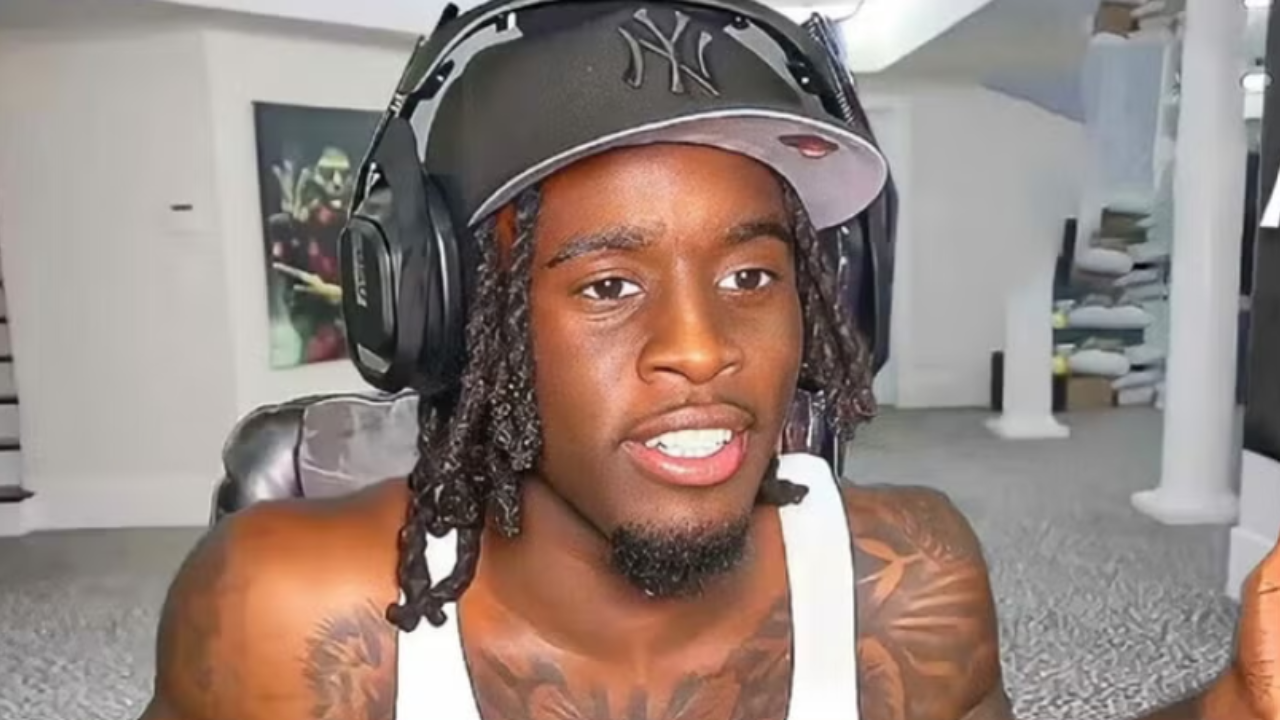
The modern entertainment economy runs on a dangerous fuel. It burns human attention, spits out astronomical view counts, and leaves a trail of psychological wreckage behind closed doors. When private text messages spill into the public domain, they usually expose petty industry drama or manufactured beef designed to juice engagement metrics. But every once in a while, the glossy facade cracks wide open. The recent leak of private correspondence involving prominent digital creators offers a grim window into an industry operating without safety nets, revealing how the relentless pressure of online stardom isolates the very people built to entertain millions.
For years, the blueprint for digital success has demanded total transparency. Creators broadcast their living rooms, their friendships, and their emotional breakdowns to an audience hungry for authenticity. Yet this hyper-visibility creates a profound paradox. The more access fans have, the lonelier the creator becomes. When personal crises hit, the infrastructure of the multi-billion-dollar creator economy offers no structural support. There is no human resources department for internet celebrities, no mandatory sabbatical policy, and no institutional safety net when the weight of public expectation finally crushes an individual's mental health.
The core of the recent fallout centers on desperate pleas for private connection ignored in favor of public optics. When direct messages framing a situation as a literal cry for help are left sitting on read, it exposes the transactional nature of high-profile digital collectives. These groups often market themselves as brotherhoods or tight-knit families, yet they function more like talent agencies bound by the mutual pursuit of clout. When a member experiences a severe mental health crisis or steps outside the approved brand narrative, the collective machinery frequently responds with tactical silence or defensive legal posturing rather than genuine intervention.
Enterprises built around personality-driven content are uniquely unequipped to handle human vulnerability. If a traditional television network actor experiences a breakdown, production pauses and professional assistance steps in. In the streaming ecosystem, stopping means losing algorithmic momentum, which translates directly to lost revenue and fading relevance. Creators are conditioned to believe that pausing is a sign of weakness. Consequently, they push through exhaustion, alienation, and acute psychological distress until public friction forces an explosion.
Amid the fallout, responses from peers like Fanum highlighted a deeper, more systemic exhaustion within top-tier streaming circles. Admitting to long-term psychological strain and buying secondary communication devices simply to block out the suffocating noise of millions of hyper-fixated strangers reveals a sobering reality. This is not the lifestyle of successful young entrepreneurs enjoying the fruits of their labor. It is a state of psychological siege. When creators talk about escaping to foreign countries just to remember what it feels like to breathe without an audience, the entertainment industry has ceased to be a medium of amusement and has transformed into a panopticon.
The economic incentives driving this ecosystem actively punish vulnerability. Drama generates engagement, engagement drives ad revenue, and controversy spikes subscriber counts. Even when a situation involves serious allegations and genuine distress, the digital mob treats human suffering as spectator sport. Platforms like Twitch, YouTube, and Instagram profit handsomely from the turbulence, remaining comfortably detached from the duty of care owed to the creators who populate their front pages.
Solving this crisis requires an uncomfortable reckoning that the industry is entirely unprepared to undertake. Talent agencies, management firms, and platform executives continue to treat mental health as an afterthought, trotting out platitudes about wellness only after a public relations disaster unfolds. Until major digital networks establish binding protocols for creator welfare—including mandatory psychological support and insulated away-periods that do not penalize a creator's algorithm standing—the cycle will repeat.
The screens stay lit, the chat rooms move at blinding speed, and another generation of young creators learns the hard way that millions of followers cannot answer a phone call when the darkness finally closes in.