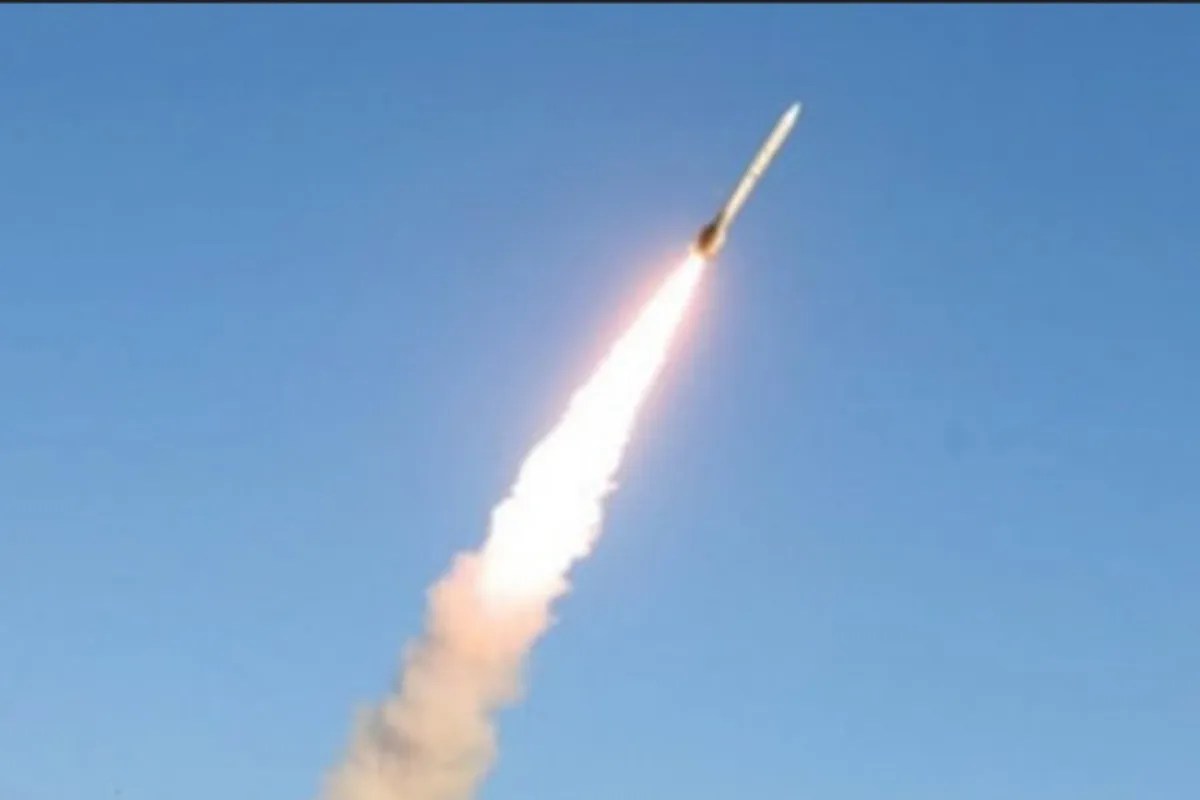
The narrow shipping lane separating the Persian Gulf from the Gulf of Oman has transformed into a high-stakes hunting ground where multi-million-dollar American intelligence assets are dropping out of the sky with alarming frequency. When Iranian state media and military branches announced the downing of yet another United States MQ-1 variant drone near Qeshm Island and the coast of Sirik, the reports landed in a strange geopolitical vacuum. Official Washington channels remained tight-lipped, offering no confirmation of the losses while dealing with simultaneous kinetic exchanges across the region, including strikes on radar installations in Bahrain and fiery maritime incidents in the choke point itself. This silence from Central Command is not merely strategic ambiguity. It exposes a growing vulnerability in how high-altitude surveillance assets operate in contested airspaces defended by layered, indigenous anti-air networks.
For decades, the standard playbook for American air dominance relied on persistent, unhindered overhead observation. Drones like the Predator lineage and its successors were built for counterterrorism environments where opposing forces possessed little to no integrated radar-guided air defense capability. Those assumptions expired long ago. The theater around the Strait of Hormuz is saturated with electronic surveillance, localized surface-to-air missile batteries, and upgraded domestic command networks operated by both the Islamic Revolutionary Guard Corps Aerospace Force and the regular Iranian Navy. When these networks track and drop reconnaissance platforms operating near territorial boundaries, the math of asymmetric warfare shifts entirely. A platform costing a fraction of a million dollars can deny or degrade an intelligence-gathering apparatus worth exponentially more, altering the risk calculus for every patrol mission launched from regional bases.
Understanding why these aircraft keep falling requires looking closely at the hardware and the geography. The Strait of Hormuz is roughly twenty-one miles wide at its narrowest point, meaning any aerial platform orbiting international or disputed airspace remains within striking distance of coastal batteries from the moment it clears its launch pad. Iran's domestic defense industry has spent years refining low-signature radar systems and optical tracking arrays designed specifically to counter slow, predictable loitering munitions and surveillance craft. When multiple branches of the Iranian armed forces—the IRGC and the conventional Navy—both claim credit for intercepting similar platforms using newly deployed indigenous air defense systems, it signals an institutional race to validate domestic military technology under live combat conditions.
The wider strategic picture is equally fractured. These drone shootdowns do not occur in a vacuum; they happen against a backdrop of stalled diplomatic memorandums, shipping lane disruptions, and tit-for-tat retaliations stretching from maritime mine strikes to targeted infrastructure hits ashore. While diplomats occasionally gesture toward reopening navigation talks, the reality on the water and in the air tells a story of permanent low-intensity friction. Every lost airframe represents a tangible dent in operational capability and a propaganda victory for Tehran's domestic audience, which feasts on imagery of wreckage recovered from coastal waters.
As long as Washington insists on maintaining heavy surveillance pressure over a heavily fortified coastline without a clear political off-ramp, these steel birds will continue to tempt fate. The technical impunity that American air power once enjoyed in the Middle East has evaporated, replaced by a grinding war of attrition where every flight path is a calculated gamble against an adversary waiting with an upgraded finger on the trigger.