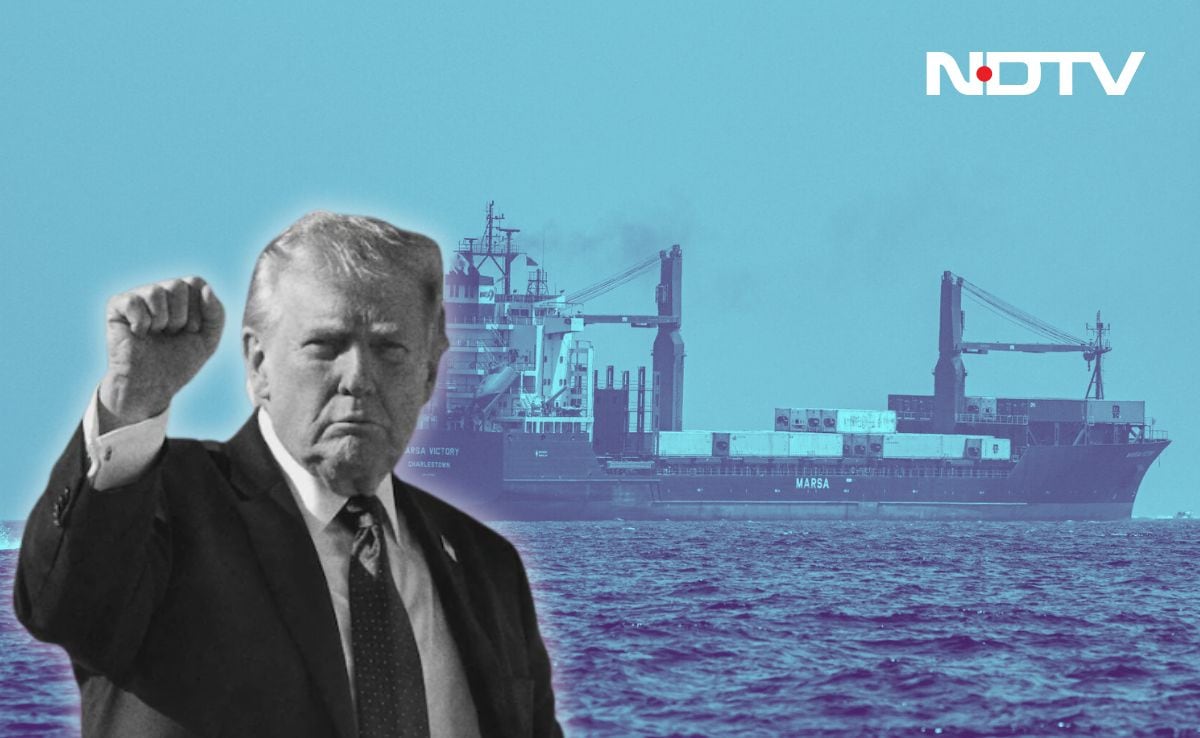
Global energy markets live and die by a sliver of blue water barely twenty-one miles wide at its narrowest point. When the White House asserts absolute military dominance over the Strait of Hormuz, stating that a wall of steel has permanently secured the maritime artery, commercial reality tells a vastly different story. Tankers move through the Persian Gulf at a mere fraction of their historical volume. Insurance premiums for hull protection remain at historic highs. Washington projects unshakeable control, yet shipowners continue to weigh the steep financial risks of moving crude past a hostile Iranian coastline. Understanding this crisis requires stripping away the political theatre to examine the physical vulnerabilities of the world's most critical energy chokepoint.
The Anatomy of Maritime Chokepoints
Geography cannot be rewritten by executive order. The Strait of Hormuz handles roughly a fifth of the globe's petroleum consumption. Inbound and outbound shipping traffic must navigate narrow traffic separation schemes, squeezed between the territorial waters of Oman and Iran. Also making news in related news: Inside the Wisconsin Primary Shock That Upended the Democratic Playbook.
Military planners have studied this vulnerability for decades. An opposing force does not need a blue-water navy to disrupt global trade in this corridor. Asymmetric capabilities change the entire calculus of naval protection.
- Anti-ship cruise missiles positioned in rugged terrain provide coastal defense forces with lethal reach.
- Fast attack craft swarm shipping lanes under the cover of complex coastal geography.
- Sea mines deployed covertly can paralyze transit even after sweeping operations declare lanes clear.
A naval blockade can project outward power, but stationary warships act as high-value targets in confined waters. Total control is a political term, not a tactical guarantee. When naval commanders talk about security, they talk about risk mitigation, not absolute safety. Every supertanker transiting the channel remains a floating exposure to asymmetric retaliation. Additional information regarding the matter are covered by USA Today.
The Economic Shocks of Stalled Transit
Energy markets detest uncertainty far more than they detest high prices. When transit through the Gulf slows down, futures contracts spike across international exchanges. Refineries from Rotterdam to Tokyo scramble for alternative supply lines that often do not exist in sufficient volume.
The administration's recent declarations aim to calm jittery traders. They seek to project an image of unassailable strength where naval escorts guarantee safe passage. Yet, maritime insurance underwriters remain unimpressed by social media proclamations. Underwriters look at loss probabilities. Until commercial vessels can transit without the constant threat of drone strikes or missile harassment, commercial hesitation will persist.
Traders understand that a declared wall of steel requires constant, exhausting maintenance. Warships cannot occupy every square mile of the Gulf indefinitely without straining fleet readiness. Maintenance cycles, crew fatigue, and logistical tails catch up with even the most powerful navy on earth.
Diplomatic Deadlocks Behind the Posturing
Public posturing masks a grinding, unyielding diplomatic stalemate. Indirect talks between Washington and Tehran routinely hit walls over core demands. Tehran insists on economic relief and compensation for wartime infrastructure damage, terms that Western negotiators reject out of hand.
Meanwhile, regional allies watch the standoff with mounting anxiety. Economies heavily dependent on uninterrupted hydrocarbon exports find themselves squeezed between American maximum pressure and the persistent threat of Iranian disruption. Leaders in neighboring capitals quietly urge restraint while publicly supporting freedom of navigation principles.
The rhetoric surrounding the strait serves domestic political audiences just as much as it addresses foreign adversaries. Declaring total victory or absolute ownership of a hostile chokepoint plays well on political platforms, but it does little to clear the backlog of nervous merchant vessels anchored outside the Gulf.
The Logistics of Coercion
Enforcing security in a hostile semi-enclosed sea is an exercise in resource allocation. Every destroyer assigned to escort duty in the Gulf is a warship pulled away from other global theater commitments, such as the Indo-Pacific or the Mediterranean.
Strategic competitors watch this force concentration closely. If the United States ties down a significant portion of its surface combatant fleet to secure a single oil channel, its flexibility elsewhere degrades. This dynamic creates a hidden cost of intervention.
Security in the modern maritime domain relies on multi-layered defense networks involving airborne early warning, surface action groups, and rapid mine countermeasures. Even with these assets deployed, the psychological barrier facing civilian mariners remains formidable. Masters of commercial oil tankers answer to corporate boards and liability lawyers, not political speeches. If the captain of a very large crude carrier decides the risk profile is unacceptable, the ship stays put.
No amount of political declaration overrides the captain's authority on the bridge. The standoff in the Gulf ultimately reduces down to a battle of endurance between a superpower's naval presence and an adversary's persistent, low-cost capability to harass commercial shipping. Until a sustainable political framework replaces military coercion, the lifeline of global energy will remain vulnerable to the next flashpoint.
Trump reiterates "total control" over Strait of Hormuz
This video provides direct news footage and context regarding the official statements on naval control in the Strait of Hormuz.