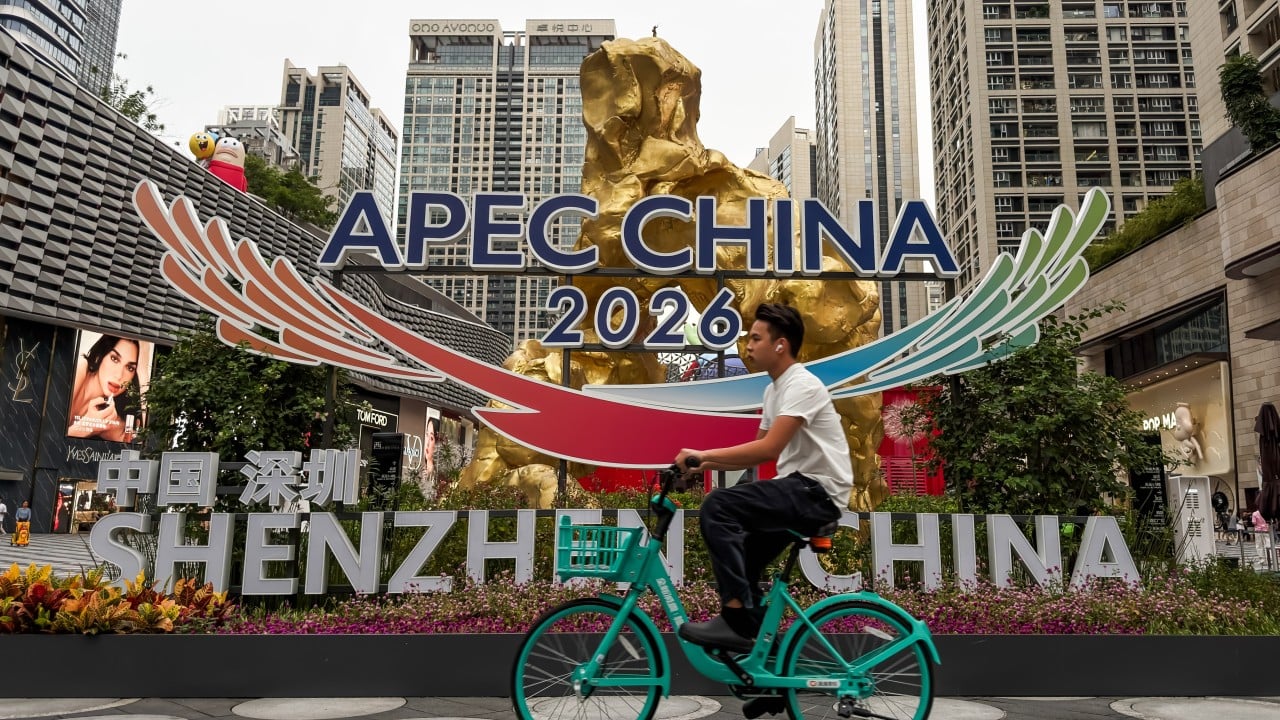
Washington and Beijing entered the Shenzhen APEC summit chasing concrete commercial breakthroughs, yet the real agreements reached in November 2026 were narrow pauses, diplomatic theater, and unresolved bottlenecks rather than a lasting trade settlement. Even after Donald Trump and Xi Jinping held their third summit of the year on November 19, negotiators left core disputes—including rare earths, semiconductor diversion, and binding enforcement—on the table.
Having watched trade envoys shuttle between Beijing, Geneva, and Washington for more than twenty years, I have learned to read summit communiqués by what they omit. Summits create deadlines. Deadlines force negotiators to package temporary truces as historic milestones.
Why Negotiators Chased Quick Wins Ahead of Shenzhen
Summit calendars distort economic reality. Leaders want handshakes on camera; working-level officials want text that will not collapse three weeks later.
Ahead of the Shenzhen APEC gatherings, both sides already leaned on a short extension of their trade truce—pushing the working expiry to January 10, 2027—to keep tariff reductions and paused countermeasures from snapping back during peak holiday shipping. Discussions around roughly $60 billion in tariff relief through a trade council and expanded Chinese farm purchases gave negotiators tangible talking points. Normalizing oil transit through the Strait of Hormuz also entered the frame as energy supply risks weighed on global markets.
A truce buys time for importers and exporters. It rarely fixes the structural friction that caused the fight in the first place.
Beneath the polite banquet language, negotiators faced a clock they could not control. Beijing wanted to showcase Shenzhen as a symbol of openness, patent scale, and regional integration—especially as APEC economies accounted for 60.3% of China's total foreign trade across the first three quarters of 2026. Washington wanted agricultural buying signals, energy stability, and proof that export controls were not hollow shells.
The Silicon Chokepoint Behind Every Bargaining Chip
Chips have replaced soy and steel as the sharpest pressure point in US-China talks. Every tariff concession now collides with national security anxiety.
Just days before the Shenzhen talks, Washington tightened restrictions on advanced AI semiconductor exports to China and issued an interim final rule targeting remote access to computing power. That move followed the fallout from the Jensen Huang resignation and federal probes into alleged chip smuggling involving Singapore-based Megaspeed, an episode that gave Congress fresh momentum toward bipartisan export control bills such as the AI Overwatch Act, the Chip Security Act, and the MATCH Act.
That creates a brutal trap for Beijing's negotiators. China wants predictable rules and commercial access rather than ad hoc licensing shocks. Yet the harder lawmakers in Washington push for statutory chip-location verification and equipment curbs, the less room executive-branch negotiators have to trade away enforcement.
Consider a hypothetical example of how an industrial buyer experiences this gridlock. Suppose a mid-sized electronics maker in Guangdong plans a twelve-month hardware rollout dependent on specialized logic components and cloud compute clusters. Even if tariffs on finished goods stay paused until January 10, 2027, sudden shifts in chip export licensing or cloud-access rules can stall product design or force costly redesigns long before a customs bill arrives.
Rare Earths and the Leverage Beijing Refuses to Surrender
Washington holds export controls and tariff authority. Beijing holds critical minerals and processing chokepoints.
Talks in Shenzhen produced agreement on "minimum guardrails" for AI safety management, yet disputes over rare earths and other critical minerals remained unresolved. Any observer who treats rare earths as a minor technical item misunderstands how Beijing negotiates. Critical minerals give China quiet, asymmetric leverage whenever Washington tightens technology curbs.
- Supply concentration: Processing and refining capacity for key magnet and specialty materials remains heavily concentrated, making rapid Western substitution expensive and slow.
- Retaliatory optionality: Beijing can calibrate export licenses, inspection delays, or suspended control measures without announcing a formal blockade.
- Enforcement asymmetry: Customs inspections at ports are visible and measurable, whereas subtle slowdowns in mineral approvals or compliance reviews are far harder to prove in real time.
Gray areas define this entire standoff. Both governments claim they want stable commercial ties, yet both treat supply chain dependence as a vulnerability to be reduced on their own terms. Even when negotiators agree on agricultural purchase goals or tariff schedules, implementation depends on administrative follow-through that often lags behind headline announcements.
Why Third Countries Are Rewriting Their Own Playbooks
While Washington and Beijing spar over tariffs, chips, and rare earths, smaller and mid-sized economies are not waiting passively for a grand bargain. They are hedging in plain sight.
At Shenzhen and in surrounding bilateral meetings, leaders from across the Asia-Pacific and Latin America worked both sides of the ledger. Canada extended trade arrangements with Beijing while expanding tariff reductions on agricultural and seafood goods. Leaders from Mexico, Peru, and Chile pursued Chinese trade and investment even while managing deep commercial ties—and tariff friction—with Washington.
This triangulation changes the math for US and Chinese negotiators. Washington cannot simply assume allied and regional partners will lockstep behind every unilateral restriction without commercial pushback. Beijing cannot assume regional trade volume automatically translates into geopolitical alignment on every security or tech dispute.
| Negotiation Track | Headline Outcome Around Shenzhen | Unresolved Friction Point | Commercial Impact on Firms |
|---|---|---|---|
| Tariffs and Truce | Trade truce extended to January 10, 2027; ~$60B tariff relief discussed | Formal documentation and long-term post-January terms | Short-term Q4 duty predictability; Q1 planning risk |
| AI and Semiconductors | Agreement on minimum AI safety guardrails | Tighter US chip curbs, remote compute rules, and diversion probes | High compliance overhead and supply chain uncertainty |
| Critical Minerals | Continued dialogue on commitments and trade openness | Unsettled rare earth supply disputes and retaliatory risk | Ongoing exposure to bottlenecks in magnets and specialty inputs |
| Regional Trade | Bilateral deals and APEC Shenzhen trade initiatives | Competing pull of US market access and Chinese capital | Faster diversification of sourcing and manufacturing footprints |
What Boards and Supply Chain Leaders Should Do Before January
Waiting for Washington and Beijing to sign a comprehensive peace treaty on commerce is a losing strategy. Negotiators are managing risk through rolling extensions, not permanent peace.
First, audit exposure across three distinct layers rather than looking only at headline tariff rates: direct customs duties, upstream semiconductor or cloud-compute dependencies, and downstream mineral inputs. A company can be insulated from a tariff spike on finished goods and still get blindsided by a compliance rule on compute access or a delay on specialty components.
Second, stress-test contracts and inventory buffers for the post-January 10, 2027 window. Build dual-sourcing options where lead times allow, verify end-use and location documentation on controlled components, and treat every summit communiqué as a temporary weather forecast rather than a permanent climate shift.


