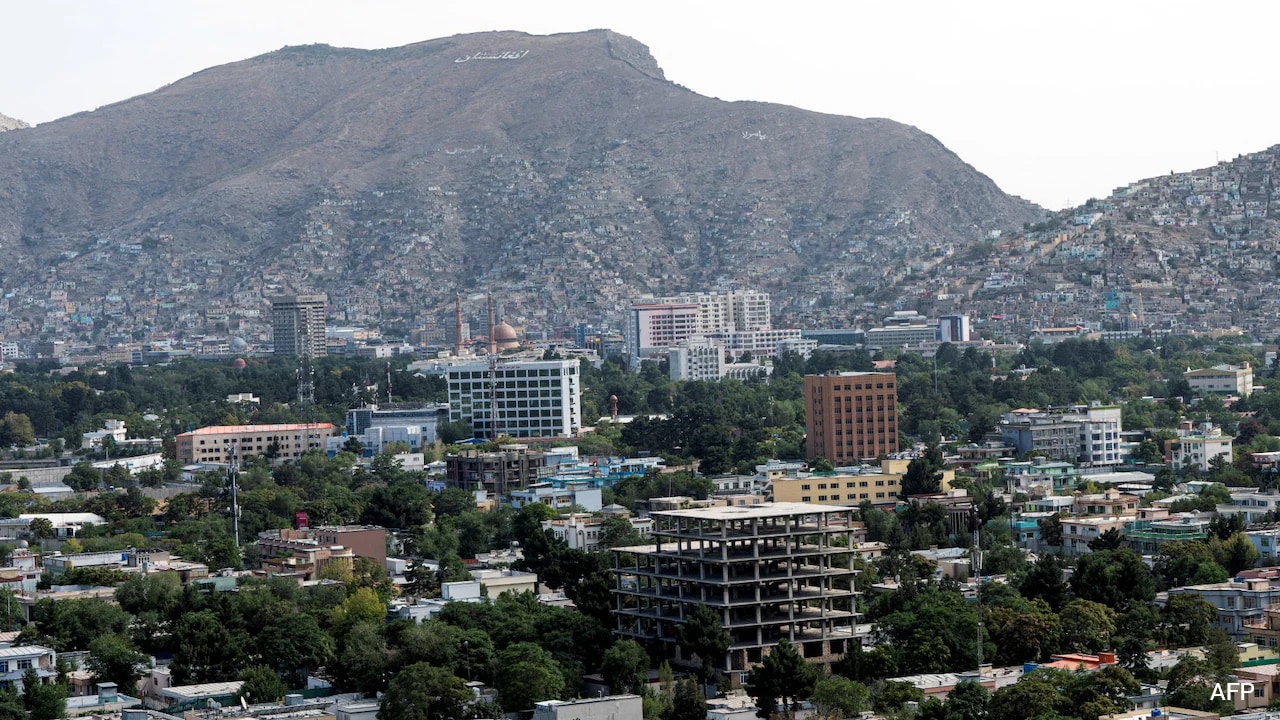
Federal courts have temporarily halted an administration initiative aiming to deport detained Afghan nationals back to Taliban-controlled territory, exposing a deep fracture between hardline immigration enforcement goals and the unfulfilled obligations owed to America's wartime allies. The emergency judicial intervention arrived just as advocacy groups and veterans' networks tracked preparations for sweeping removal flights, dragging the stark realities of post-withdrawal geopolitics back into the center of American jurisprudence.
For thousands of Afghans who assisted United States military forces, intelligence agencies, and diplomatic missions during the two-decade occupation, sanctuary was supposed to be a guarantee. Instead, many find themselves caught inside Immigration and Customs Enforcement detention facilities, facing a shifting bureaucratic apparatus that prioritizes rapid numerical removal metrics over individual risk assessments. Read more on a similar topic: this related article.
The Mechanics of the Stalled Expulsions
The sudden legal emergency unfolded after human rights organizations and veteran advocacy groups mobilized against impending charter and commercial flight schedules. Government attorneys downplayed the immediate threat during initial court hearings, asserting that immigration enforcement officials held no confirmed or scheduled chartered flights specifically targeting Afghan nationals for immediate removal. Yet, civil rights litigators presented contradictory tracking data supplied by coalition networks, illustrating a profound disconnect between administrative assurances and field-level enforcement activities.
This friction highlights a systemic vulnerability in how immigration enforcement handles populations displaced by sudden geopolitical collapses. When the U.S. military withdrew from Kabul, the emergency evacuation brought tens of thousands of vulnerable Afghans onto American soil under humanitarian parole and temporary protection programs. As those initial legal windows narrow and administrative priorities shift toward mass removals, individuals who worked alongside U.S. troops find their security status eroded. The federal court's temporary injunction acts as a vital circuit breaker, but legal experts emphasize that it remains a temporary pause rather than a permanent structural resolution. Additional reporting by BBC News explores related perspectives on the subject.
Bureaucratic Limbo Inside Detention Centers
While court orders successfully grounded imminent flights, the physical reality for detained Afghans changed very little. ICE facilities continue to hold detainees in prolonged confinement without clear pathways to permanent legal relief or timely bond hearings. For a former Afghan police officer, a local informant, or a civil servant who aided foreign forces, indefinite detention inside an American jail is merely a different kind of purgatory.
Consider the hypothetical case of a former logistics contractor who managed supply chains for U.S. forward operating bases. Having fled systematic reprisals by the Taliban, this individual entered the United States seeking asylum, only to experience administrative processing delays that left their legal status unresolved. When enforcement priorities swung toward maximum expulsions, their case was reclassified under routine removal dockets, ignoring the documented threats awaiting them upon return.
Legal defense teams point out that many detainees lack formal representation. Navigating the labyrinth of immigration court while locked in a remote facility makes mounting an effective defense nearly impossible. Habeas corpus petitions and humanitarian parole requests frequently stall against a monolithic agency focused entirely on closing cases through expulsion rather than adjudication.
The Geopolitical Fallout of Abandoned Commitments
The attempt to deport individuals to a jurisdiction controlled by the Taliban carries profound implications for American credibility abroad. Foreign policy analysts note that future military engagements and diplomatic initiatives depend entirely on the perception that local allies will be protected when partnerships end. When an administration pursues policies that risk returning cooperative nationals to hostile regimes, it damages the intelligence and security networks vital to future international operations.
International observers, including United Nations human rights bodies, have repeatedly documented extrajudicial reprisals, arbitrary detentions, and targeted violence carried out against former government employees and security personnel in Afghanistan. Handing individuals back to a regime that views collaboration with Western powers as treason violates core humanitarian principles and flouts established international non-refoulement norms.
The administration's defense rests on executive authority to manage national borders and determine the expiration of temporary relief programs. However, critics argue that exercising this authority without accounting for individualized risk factors turns administrative policy into a mechanism for persecution.
As legal battles continue to wind through federal districts, the fate of detained Afghans hangs in a precarious balance. The coalition of veterans, congressional members, and human rights lawyers who forced this temporary halt recognizes that the underlying pressure to clear detention centers has not dissipated. Every court extension buys time, but without a systematic legislative fix or a formalized pathway to permanent safety, the threat of forced repatriation remains a looming reality for those who once stood shoulder-to-shoulder with American forces


