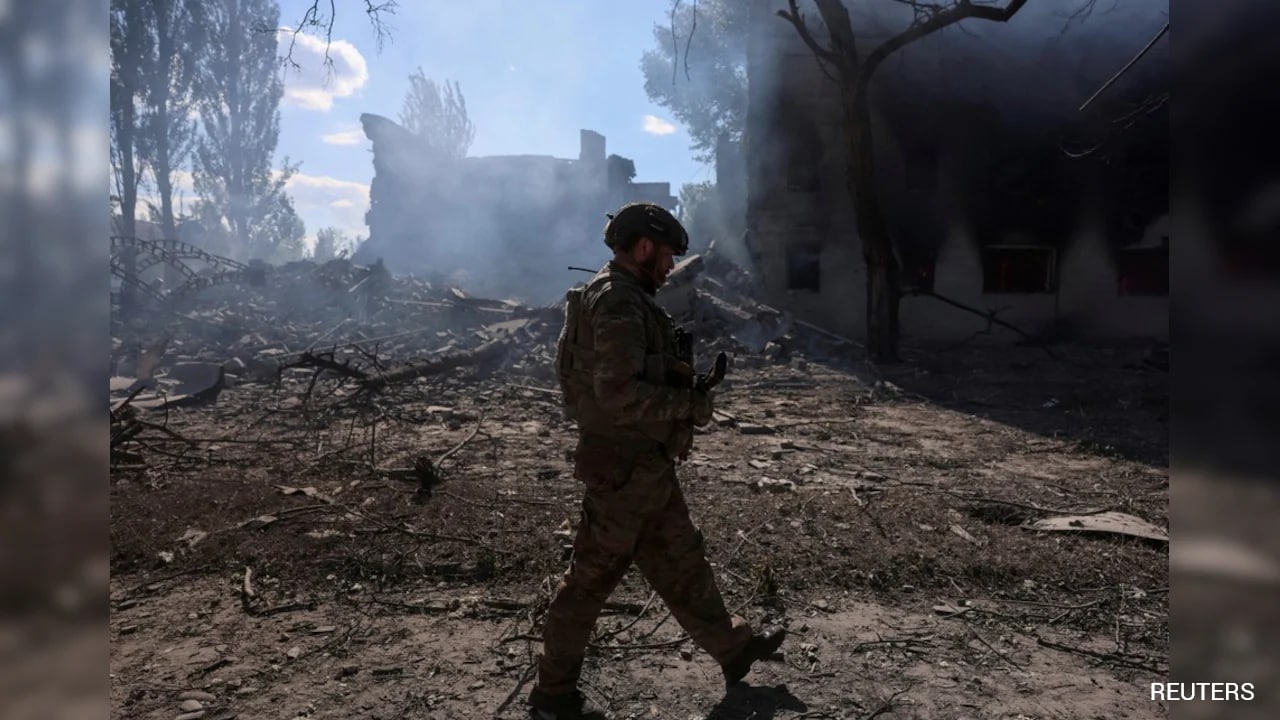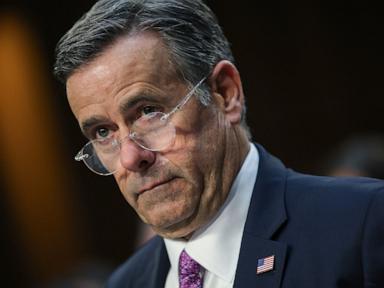
Central Intelligence Agency Director John Ratcliffe quietly touched down at Moscow's Vnukovo International Airport aboard a United States Air Force C-17 Globemaster transport, executing a high-stakes unannounced mission that mirrors the historic pre-war maneuvers of his predecessors. Flight tracking data captured the heavy military aircraft originating from Joint Base Andrews before transiting through Latvia, signaling an intelligence operation of profound diplomatic sensitivity. While both the White House and the Kremlin maintained an official silence, sources familiar with the itinerary confirmed that Ratcliffe held direct consultations with Russian security counterparts as stalled negotiations over the war in Ukraine collide with mounting geopolitical pressure points.
The Echoes of November 2021
History rarely repeats itself without a grim sense of irony. Back in November 2021, then-CIA Director William Burns made a nearly identical clandestine journey to Moscow to warn Russian leadership against launching a full-scale invasion of Ukraine. That mission failed to deter the Kremlin, leaving a permanent scar on Washington's approach to direct intelligence diplomacy.
Now, years into a grinding war of attrition, Ratcliffe's presence in the Russian capital suggests that conventional diplomatic channels have hit a wall, forcing the intelligence community back into the shadows. Intelligence chiefs do not travel halfway across the world during active hostilities simply to exchange pleasantries. They move when formal diplomatic pathways freeze, when backchannel assurances are required, or when an urgent deal must be struck away from the blinding lights of international media.
Navigating the Stalled Frontlines
The timing of the flight aligns with acute friction on multiple geopolitical fronts. Administration insiders noted that Washington quietly requested Kyiv to pause long-range drone and missile strikes targeting Moscow and surrounding regions during the diplomatic window. This temporary cessation underlines the delicate nature of the discussions taking place behind closed doors.
Despite persistent public friction, quiet lines of communication have flickered to life. Ratcliffe has previously maintained a measured dialogue with Sergey Naryshkin, head of Russia's Foreign Intelligence Service, the SVR. These backchannel dialogues operate outside the public eye precisely because neither side can afford the political fallout of a failed public summit.
Yet, reducing this visit solely to Ukraine peace talks ignores the wider mosaic of global crises. Washington and Moscow remain locked in intense strategic competition across the Middle East, particularly regarding the containment of Iran. With the US Treasury unveiling aggressive new economic sanctions aimed at isolating Tehran, intelligence sharing and alignment on regional escalation vectors frequently require frank, face-to-face friction reduction between rival spymasters.
The Currency of Detainee Diplomacy
Another critical dimension driving high-level intelligence travel involves the complex mechanics of prisoner exchanges. The CIA has functioned as the primary operational broker for high-profile citizen releases over recent years, including the massive multi-nation swap that freed journalist Evan Gershkovich, alongside subsequent individual releases such as dual national Ksenia Karelina.
Humanitarian concessions often serve as the only reliable transactional currency remaining between Washington and Moscow. When diplomatic talks flounder, freeing detained Americans provides a rare mutual win that can build minimal trust or signal a willingness to de-escalate specific tensions. Whether Ratcliffe's mission carried provisions for future prisoner releases remains classified, but precedent strongly indicates that detainee logistics routinely occupy high-level intelligence agendas.
The Information Blackout
The Kremlin's official posture remains one of studied denial. Spokesman Dmitry Peskov repeatedly dismissed inquiries regarding the American military transport, asserting that no meetings with US officials sat on the official schedule. This rhetorical posture protects both sides, allowing discussions to proceed without the immediate pressure of public expectations or domestic political posturing in Washington and Moscow.
As the C-17 transport lifted off from Vnukovo Airport and tracked westward back toward European airspace, the immediate tangible outcomes of the meetings remained strictly confidential. What is clear, however, is that the architecture of modern great-power conflict still relies on the dark art of espionage diplomacy, where wars are fought in the open, but stopped behind closed doors.