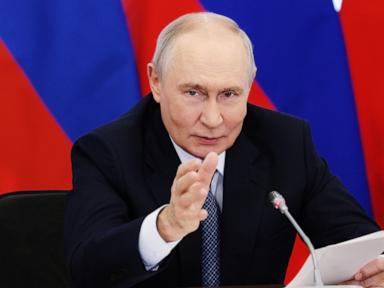
Elections in authoritarian states are rarely about suspense. When Russia concluded its parliamentary cycle for the State Duma, the outcome was predetermined long before a single electronic ballot was cast or a ballot box was sealed. The central governing political machine, United Russia, secured a commanding supermajority, cementing absolute legislative alignment behind Vladimir Putin. To view this event merely as a routine election misses the point. It was a meticulously engineered exercise in political containment, designed to project domestic invulnerability and institutional stability while an active military conflict consumes the nation's resources.
The absence of genuine opposition on the ballot is not an accident of circumstance. It is the product of years of systematic legal exclusion, administrative hurdles, and the criminalization of dissent. Independent voices that might have challenged the Kremlin's narrative on the war in Ukraine or domestic economic strains were systematically barred from running. What remained was a carefully curated selection of systemic parties—organizations that occasionally contest policy details but remain entirely compliant with the fundamental pillars of executive authority. These factions exist to absorb minor pockets of public frustration, ensuring that discontent is funneled into harmless, controlled channels rather than translated into structural challenges.
The Mechanics of Managed Democracy
Modern political control in Moscow relies less on overt ballot stuffing at every precinct and more on pre-election architecture. Remote electronic voting, heavily promoted across dozens of regions, has transformed from a convenience into a primary mechanism of administrative oversight. Critics and independent observers have repeatedly pointed out that digital voting systems lack transparent verification, effectively creating a black box where totals can be adjusted to meet predetermined regional quotas.
Furthermore, the candidate vetting process operates through bureaucratic filters. Regional authorities and the presidential administration evaluate incumbent deputies using internal rating metrics, discarding anyone deemed insufficiently loyal or unpredictable. The result is a legislature composed entirely of actors who view their primary duty as the rubber-stamping of executive decrees. When dissent is categorized as a threat to national security, the parliament ceases to be a forum for debate and transforms into an echo chamber for the executive branch.
The Wartime Referendum Strategy
Staging a national legislative vote during an ongoing, high-intensity military campaign introduces distinct political risks. Public fatigue, economic sanctions, and the human cost of the conflict create underlying currents of anxiety. To counter this, the political establishment framed the ballot as a direct test of national unity. The narrative pushed through state media positioned any vote for the ruling party as a vote for soldiers at the front lines, effectively equating criticism of the regime with treason.
This strategy forces a complex psychological reaction among the electorate. Polling data from independent sociological groups indicates a society caught between public conformity and private apprehension. While majorities often voice support for state policies out of survival instinct or weariness, underlying figures consistently show a quiet desire for de-escalation and negotiated peace. Yet, because the electoral system offers no mechanism to register anti-war sentiment without inviting severe legal penalties, this silent majority remains politically invisible.
The Cost of Political Monotony
The long-term consequence of eliminating all legitimate political competition is systemic rigidity. When a government constructs an environment where failure is officially impossible, it also destroys its own feedback loops. Policy mistakes, economic inefficiencies, and local grievances cannot be safely voiced through legislative representatives, leaving authorities blind to mounting pressures until they manifest as acute crises.
The State Duma elected under these conditions will sit through critical years, potentially overseeing future domestic transitions and economic adjustments. By insulating the ruling apparatus from electoral surprise, the Kremlin has achieved short-term security at the expense of long-term adaptability. The ballot box has been secured against opposition, but in doing so, it has been rendered entirely irrelevant to the actual grievances of the populace.