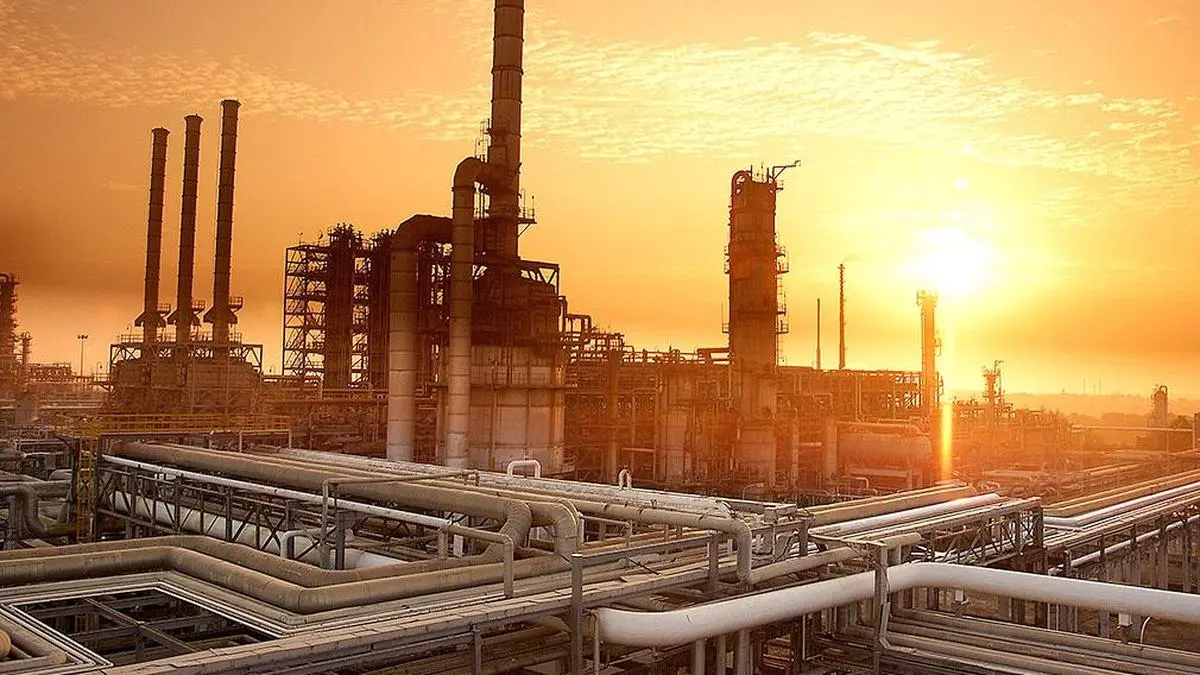
The Kremlin recently made a quiet but desperate regulatory pivot, authorizing domestic oil refineries to lower environmental and quality standards for gasoline. Officially, Moscow frames this as a routine optimization strategy to handle temporary regional supply disruptions. The reality is far more severe. Drone strikes, Western sanctions, and a choked railway network have fractured Russia’s downstream energy sector, forcing the government to choose between dirtier fuel or empty gas stations. By allowing refineries to pump lower-spec gasoline into the domestic market, Russia is burning through its long-term industrial health to prevent a politically catastrophic shortage at the pump.
The Mechanical Failure Behind the Ministry's Decree
When a drone strikes a distillation column at an oil refinery, the damage cannot be patched with a quick weld. Refineries are highly complex chemical ecosystems. They rely on massive components like hydrocrackers and catalytic crackers to turn heavy crude into high-octane gasoline.
Many of these sophisticated units were built using European and American technology. Because sanctions have cut off the supply of proprietary spare parts and software updates, Russian engineers cannot easily repair them.
When a refinery loses its primary cracking capacity, it can no longer produce high-grade Euro-5 or Euro-6 gasoline. It can, however, still produce lower-octane components or straight-run gasoline.
Under normal laws, this substandard fuel cannot be sold to the public. It damages modern car engines and chokes urban areas with sulfur emissions.
By easing the legal technical specifications, the Russian Ministry of Energy has essentially decriminalized the production of bad fuel. Refineries that were partially crippled by Ukrainian drone campaigns can now stay online. They dump low-quality, high-polluting product directly into the domestic supply chain. It is a triage tactic. The state is betting that drivers will blame premature engine failures on mechanics rather than admitting the country is running low on proper fuel.
The Collapse of the Domestic Logistics Network
The crisis is not just happening at the refining stacks. It is compounding on the tracks. Russia is a vast landmass where oil products must travel thousands of miles from Siberian or Volga refineries to population centers and agricultural hubs.
This requires a flawlessly executing railway system. Right now, the Russian railway network is near a breaking point.
Military logistics take absolute priority on the tracks. Trains carrying tanks, artillery shells, and troops to the front lines bump civilian freight to the sidings.
At the same time, commercial grain exports and coal shipments heading east to China are clogging major rail arteries. Fuel tankers are left idling for weeks in bottlenecks.
Refinery Output -> Railway Bottlenecks -> Local Depots -> Empty Stations
(Crippled by   )  (Military Priority )  (Hoarding    )    (Price Spikes )
(Western Parts )  (Commercial Coal   )  (Tactics     )    (and Rationing)
This logistical paralysis creates severe regional imbalances. A refinery in Bashkortostan might have tanks overflowing with fuel, while retail stations in Rostov or the North Caucasus run completely dry.
By authorizing lower-spec fuel output, the government allows smaller, less sophisticated regional refineries to fill the local void. These smaller plants, often called "samovars," lack the technology to make clean fuel, but they are close to the consumers. The Kremlin is sacrificing the environment to solve a geographic distribution crisis.
The Economic Mirage of Capped Pump Prices
The Russian government enforces strict price caps on retail gasoline to keep the public content. This creates a brutal economic trap for independent fuel distributors.
While the state-owned giants like Rosneft and Lukoil can absorb losses on the retail side by leaning on their massive crude export revenues, independent station owners cannot. They must buy fuel at fluctuating wholesale prices and sell it at artificially low, government-mandated retail rates.
When wholesale prices spike due to supply scarcity, independent stations face a choice. They can sell at a loss until they go bankrupt, or they can close their doors.
In many southern regions, independent operators have simply stopped buying fuel, worsening localized shortages.
The Rise of the Fuel Black Market
The introduction of lower-spec fuel legalizes a gray market that has existed on the margins for years.
- Surge in Adulteration: Unscrupulous distributors take the legal, low-spec fuel and blend it with industrial solvents or cheap additives to artificially boost the octane rating.
- Tax Evasion: Lower-grade distillates are often mislabeled as heating oil or marine fuel to bypass domestic fuel taxes, bleeding the federal budget.
- Regional Hoarding: Local agricultural conglomerates are quietly building private fuel reserves, fearing that autumn harvesting seasons will see complete supply failures.
This regulatory rollback creates an uneven playing field. Honest distributors are squeezed out, while those willing to cut corners and hawk sub-par fuel thrive under the new government guidelines.
The Long-Term Industrial Cost
You cannot run a modern economy on Soviet-era fuel standards without paying a price. The decision to permit lower-spec gasoline will have compounding consequences for Russia’s internal infrastructure. Modern fuel-injected engines and catalytic converters are highly sensitive to sulfur levels and octane variances.
Millions of Russian drivers are about to look at dashboard warning lights. Repair shops, already suffering from a lack of imported foreign car components, will be overwhelmed by fuel system failures.
The damage to the refineries themselves is even more severe. Running units outside of their designed technical parameters to maximize volume over quality accelerates mechanical wear.
Without access to international engineering firms for routine turnarounds and maintenance, Russian refineries are cannibalizing their own future capacity. They are running their remaining functional machinery to failure just to keep the current numbers looking stable on a bureaucrat's desk in Moscow.
The policy exposes the limits of Russia's import substitution claims. For two years, state media insisted that domestic engineering could easily replace Western technology.
Lowering fuel standards proves the opposite. When pushed to the wall by targeted industrial sabotage and export controls, the only viable fallback plan was to lower expectations and legally permit regression.
Agriculture and the Autumn Threat
The true test of this policy will arrive with the harvest season. Russian agriculture is completely mechanized and consumes massive quantities of fuel in short, intense bursts.
If tractors in the breadbasket regions cannot get reliable diesel and gasoline, food security becomes an immediate issue.
The Kremlin knows that urban consumers might tolerate a localized shortage or a sputtering car engine. They will not tolerate empty grocery shelves or spiking bread prices.
By pumping lower-spec fuel into the system now, the energy ministry is trying to build a buffer. They want to fill regional storage tanks with whatever flammable liquid they can produce before the agricultural demand peaks.
It is a high-stakes gamble that treats environmental degradation and automotive damage as acceptable collateral damage in a broader war economy.
The policy shift is not a sign of regulatory flexibility. It is an admission of structural vulnerability. The Kremlin can manipulate economic statistics and hide inflation data, but it cannot manifest chemical catalysts or railway capacity out of thin air. Lowering fuel specs is a clear signal that the friction of international isolation is finally grinding down Russia's critical infrastructure. The domestic energy machine is running hot, dirty, and on borrowed time.