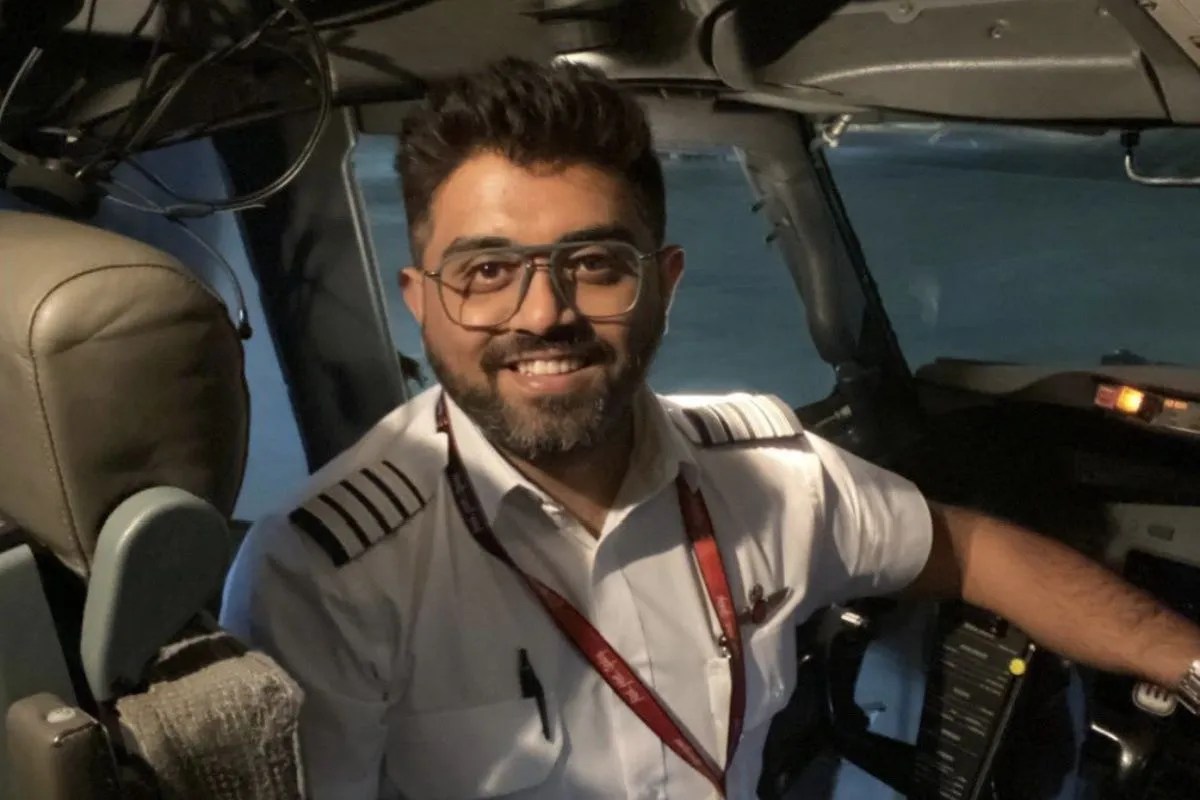
At 10:06 on a Thursday morning at Wing 7 in Surat Thani, a single-seat JAS 39C Gripen rolled down Runway 22. Inside the cockpit, flying completely unassisted, was Thailand’s Queen Suthida. For forty-one minutes, the supersonic fighter sliced through southern airspace before touching back down to an assembled military and royal delegation. This milestone marks her entry as the Royal Thai Air Force’s first female Gripen pilot, adding a sharp military edge to a flight log that already spans more than one thousand hours.
Yet, headlines celebrating viral royal achievements often gloss over the unglamorous mechanics of modern military aviation. Turning a commercial co-pilot into a qualified fast-jet aviator requires navigating an unforgiving pipeline of physics, human physiology, and institutional aviation standards.
The Mechanics of Military Transition
Moving from a Boeing 737 passenger liner to a Mach 2-class combat aircraft is not a casual weekend upgrade. Commercial automation shields pilots from high-G stress and raw maneuvering forces. A heavy commercial airframe responds with deliberate, heavy authority. A lightweight, delta-canard fighter like the Saab Gripen reacts instantaneously to microscopic inputs.
Queen Suthida’s progression followed a strict military trajectory. Before stepping into a Saab fighter, her logbook already reflected extensive time behind the controls of turboprops and commercial jets. However, military fast jets demand specific physiological conditioning. High-performance turns generate gravitational forces that pull blood away from the brain. Without proper anti-G straining maneuvers and core muscle tension, pilots experience greyout or sudden G-LOC (gravity-induced loss of consciousness).
Ground school began months prior, moving from intensive simulator sessions to dual-pilot instruction in the two-seat JAS 39D variant. Ten hours of dual instruction in a combat trainer served as the final filter before the air force signed off on a solo flight in the single-seat "C" model. In a single-seat fighter, there is no safety pilot in the back seat. Every emergency procedure, engine restart drill, and avionics management routine rests entirely on the individual in command.
Strategic Realities at Wing 7
The choice of platform and location carries weight within regional defense circles. Wing 7 at Surat Thani is home to the Royal Thai Air Force's 701 Squadron, the primary operational base for the nation's Gripen fleet. Thailand originally procured a dozen Swedish fighters to maintain a credible deterrent posture in Southeast Asia, later committing to additional Gripen E/F acquisitions to modernize its aging air defense grid.
Defense analysts often scrutinize high-profile military flights by heads of state or royal families as public relations exercises. Critics question whether abbreviated training tracks compromise operational standards. However, military aviation authorities maintain strict safety thresholds regardless of a pilot's social standing. An engine flameout or a hydraulic failure at supersonic speeds does not distinguish between a career officer and a royal family member. The pre-flight inspection, navigation protocols, and emergency checklists remain absolute.
The aircraft chosen for the flight—bearing special tail artwork celebrating fifteen years of Gripen service in Thailand—symbolizes a deeper integration between domestic defense milestones and public symbolism. The Royal Thai Air Force relies heavily on foreign hardware suppliers, and keeping high-ranking figures visibly linked to frontline platforms underscores institutional commitment to those weapon systems.
The Aviation Record Beyond the Royal Title
Public commentary frequently fixates on historical superlatives, attempting to classify the monarch's consort within global aviation milestones. Stripping away the royal titles reveals a trajectory built on steady flight hours accumulated over sixteen years. Starting with basic military trainers like the Cessna T-41D and progressing through multi-engine passenger aircraft, the foundational discipline required to manage cockpit resource management translates directly—if imperfectly—into tactical jets.
Commercial airline flying emphasizes risk mitigation, smooth passenger comfort, and strict adherence to predictable flight management systems. Fighter aviation demands tactical spatial awareness, split-second threat assessment, and aggressive energy management. Transitioning between these two mentalities requires unlearning deeply ingrained habits. In a passenger jet, rapid pitch changes are failures of comfort. In a fighter jet, they are survival mechanisms.
The forty-one-minute sortie over Surat Thatni ended with a smooth landing on Runway 22, followed by the traditional presentation of the Golden Gripen Order Patch. Behind the ceremonial presentation lies a rigorous operational reality: a civilian-turned-commercial-pilot successfully cleared the strict physical and technical gatekeeping required to handle one of Europe's most agile multi-role combat aircraft alone.