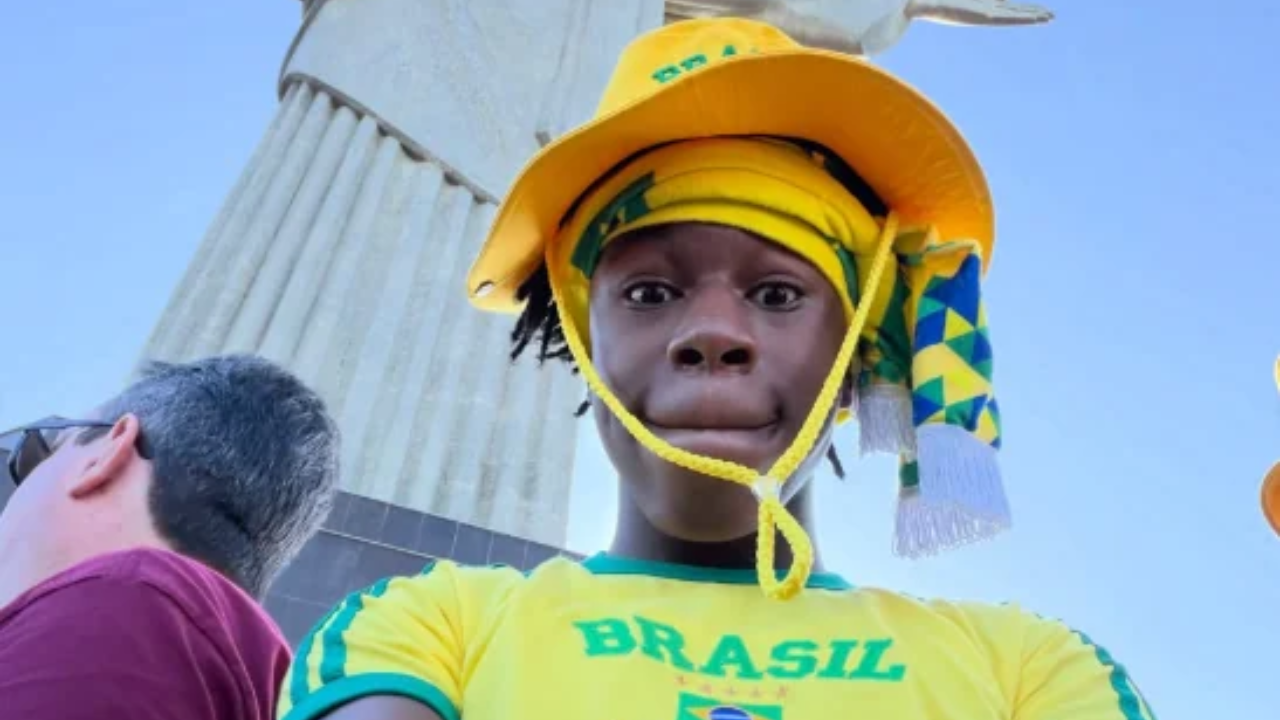
Young streamer RaKai recently sparked widespread concern and intense skepticism across social media after claiming during a live broadcast that he was losing vision in his right eye. While no verified medical diagnosis has been publicly released to confirm permanent ocular damage, the viral moment highlights a growing crisis in modern creator culture. Audiences are left struggling to separate genuine medical emergencies from manufactured engagement bait, while young broadcasters routinely sacrifice basic physical health for unbroken screen time.
The clip spread within hours. Fans watched a teenager squint at his monitor, rub his face, and tell thousands of live viewers that half his sight was fading. Within minutes, the chat fractured into two predictable camps. One side demanded he end the broadcast and visit an emergency room immediately. The other accused him of farming clips to boost declining concurrent viewer counts.
Both reactions reveal something uncomfortable about the live streaming industry. When a creator builds a career on constant chaos, pranks, and exaggerated reactions, the audience loses its ability to take a real crisis seriously. Even worse, the creator loses the instinct to step away from the camera when something actually goes wrong.
The Anatomy of a Viral Health Scare
To understand why the RaKai right eye claim detonated across TikTok, X, and YouTube Shorts, you have to look at how modern livestreaming operates. Unlike traditional television or edited YouTube videos, live broadcasts reward raw, unscripted vulnerability. Algorithms push spikes in chat velocity, and nothing accelerates chat velocity faster than sudden physical distress.
RaKai, like many rising stars in the IRL and desktop streaming space, operates in an environment where attention is the only currency that matters. His broadcasts rely heavily on high-energy interactions, rapid-fire banter, and unpredictable moments. When he paused the usual flow of his stream to mention trouble with his right eye, the tonal shift was jarring.
Viewers immediately began clipping the segment. On X, commentary accounts reposted the footage with dramatic captions speculating about everything from retinal detachment to severe screen fatigue. Yet a closer look at the footage shows the core problem with diagnosing anything through a webcam. Lighting setups, camera compression, and a streamer's natural tendency to play up reactions for the chat make it impossible for viewers to assess actual physical symptoms.
This ambiguity fuels the mixed reactions. Veteran viewers of Twitch and Kick have seen countless creators fake injuries, stage medical emergencies, or exaggerate minor ailments to trigger donations and viral clip compilations. Over time, this creates a classic boy-who-cried-wolf dynamic. When a young streamer says his vision is failing, half the internet reaches for a prayer emoji while the other half reaches for the clip button to mock what they assume is a stunt.
What Actually Happens to Eyes Under Extreme Screen Loads
Setting aside the debate over whether RaKai was exaggerating or experiencing a genuine medical issue, the physical reality of modern streaming schedules makes ocular distress entirely plausible. Top-tier and aspiring streamers routinely log ten to sixteen hours a day in front of multiple high-refresh-rate monitors, flanked by harsh LED key lights and ring lights aimed directly at their faces.
Human biology was not built for this. Under normal conditions, a person blinks roughly fifteen to twenty times per minute. Each blink spreads a fresh layer of tears across the cornea, keeping the surface lubricated and clear. Studies on prolonged computer use consistently show that blink rates drop by more than half when staring intensely at digital displays, especially during fast-paced gaming or rapid chat reading.
When you combine a halved blink rate with studio lighting and chronic dehydration, the results are immediate and alarming. Computer Vision Syndrome, also known as digital eye strain, can cause severe blurred vision, double vision, throbbing headaches, and a sensation that one eye is simply failing to focus. If a streamer already has an uncorrected astigmatism or mild myopia in one eye, extreme fatigue can cause that eye to temporarily lose focus entirely while the dominant eye tries to compensate.
There are also more acute, non-chronic culprits that mimic sudden vision loss. An ocular migraine, for instance, can cause temporary blind spots, flashing lights, or complete visual distortion in one eye for anywhere from twenty minutes to an hour. For someone who has never experienced one, an ocular migraine feels terrifyingly like going blind. Severe corneal dryness or a minor abrasion from rubbing tired eyes can also cause sudden cloudiness that makes a teenager panic on camera.
Of course, genuine medical emergencies remain a real risk. Conditions like retinal detachment, acute angle-closure glaucoma, or vascular occlusions require immediate intervention to prevent permanent blindness. The tragedy of livestream culture is that the platform actively discourages the one action a person should take when sudden unilateral vision changes occur: turning off the computer and seeing an optometrist or ophthalmologist immediately.
The Business Model That Rewards Self-Neglect
Why didn't RaKai immediately end the stream the second his right eye felt off? The answer lies in the brutal economics of live content.
Streaming is uniquely punitive toward absence. If a television host takes a week off, reruns air and the network retains the time slot. If a live streamer logs off early or takes three days to rest their eyes, their subscription numbers bleed out, algorithmic recommendations plummet, and viewers migrate to competitors who stayed live.
This creates a perverse incentive structure where physical deterioration becomes content. We have watched this play out repeatedly across the industry over the last decade. Creators brag about twenty-four-hour subathons, sleep-deprived marathons, and streaming through severe illness. Exhaustion is framed as grind-set dedication. Pain is treated as a punchline.
For younger creators entering the space, this culture is especially toxic. Many lack traditional management, health insurance, or older mentors to tell them when to step back. Surrounded by peers who equate logging off with weakness, a teenager experiencing blurry vision is conditioned to narrate the symptom to his chat rather than call a doctor. The camera acts as both a shield and a trap. As long as the red light is blinking, the streamer feels validated, even if their body is signaling distress.
The Parasocial Diagnostic Trap
When a creator shares a health scare live, the chat instantly transforms into an unlicensed, chaotic medical board. During RaKai's broadcast, thousands of commenters offered conflicting advice within seconds. Some told him to drink water and take a nap. Others insisted he was having a stroke. A vocal minority mocked him for trying to farm sympathy.
This dynamic is dangerous for both the creator and the audience. Parasocial relationships blur the boundary between performer and viewer, leading fans to feel personally responsible for the streamer's physical well-being. When a young audience watches someone their own age claim to be losing their sight, it triggers genuine anxiety. Yet the chat format reduces complex medical triage into three-word spam messages.
At the same time, the skepticism directed at RaKai cannot be dismissed as pure cynicism. The creator economy has a well-documented integrity problem. Over the past few years, fabricated medical crises have become a known tactic among desperate influencers looking to reset a declining narrative or deflect from unrelated controversies. When audiences feel manipulated by one creator, they carry that distrust onto the next broadcast they watch.
Without transparent follow-ups or verified medical context, every health claim on a livestream sits in a gray area. If the creator returns the next day completely fine and never mentions the incident again, the skeptics feel vindicated. If the creator takes time off without explanation, rumors spiral out of control.
What Creators and Platforms Refuse to Address
Streaming platforms like Twitch, Kick, and YouTube have built multi-billion-dollar ecosystems on the backs of marathon broadcasters, yet they offer virtually zero structural guardrails for creator health. While platforms aggressively moderate copyright strikes and advertiser-unfriendly language, they remain completely hands-off when a creator broadcasts for thirty hours straight or exhibits clear signs of physical distress on camera.
Talent agencies and management groups share the blame. When a young streamer starts pulling significant numbers, managers rush to secure sponsorship integrations, brand deals, and collaborative appearances. Very few sit the talent down to discuss basic occupational health—ergonomic monitor placement, blue-light management, hydration protocols, or establishing clear boundaries between personal medical privacy and public entertainment.
Consider a hypothetical scenario where a young streamer notices sudden blurring in one eye during a sponsored segment. Under current industry norms, ending the stream means forfeiting the sponsor payout, disappointing the agency, and losing momentum on the platform's front page. Pushing through the pain protects the revenue stream, even if it puts the creator's eyesight at risk. Until the financial incentives change, young broadcasters will continue to gamble with their health on live video.
Separating Real Risk From Content Noise
For viewers watching these moments unfold in real time, the RaKai situation serves as a clear reminder of the limits of live entertainment. A webcam is not a diagnostic tool, and a livestream chat is not an emergency room. When a creator announces a sudden physical symptom, the most responsible thing an audience can do is refuse to turn it into a spectacle.
For creators, the lesson is far more urgent. Building an audience requires consistency, but destroying your eyesight or ignoring neurological warning signs for a viral clip is a terrible trade. Sudden vision loss in one eye is never something to troubleshoot with ten thousand strangers in a chat box. You end the broadcast, turn off the monitors, and get examined by a medical professional.


